# Amazon Prime Day's Final Hours Spark Fashion Frenzy With Cashmere Deals Worth Thousands
Amazon Prime Day’s final hours have turned the online marketplace into a runway, as shoppers chase star‑worthy bargains on cashmere, designer shoes, and everything in between. With the two‑day festival ending Wednesday, Oct. 7 at 11:59 p.m. PT, the rush to snap up discounted apparel is reshaping the retail calendar and threatening to push traditional fashion outlets to rethink their strategies.
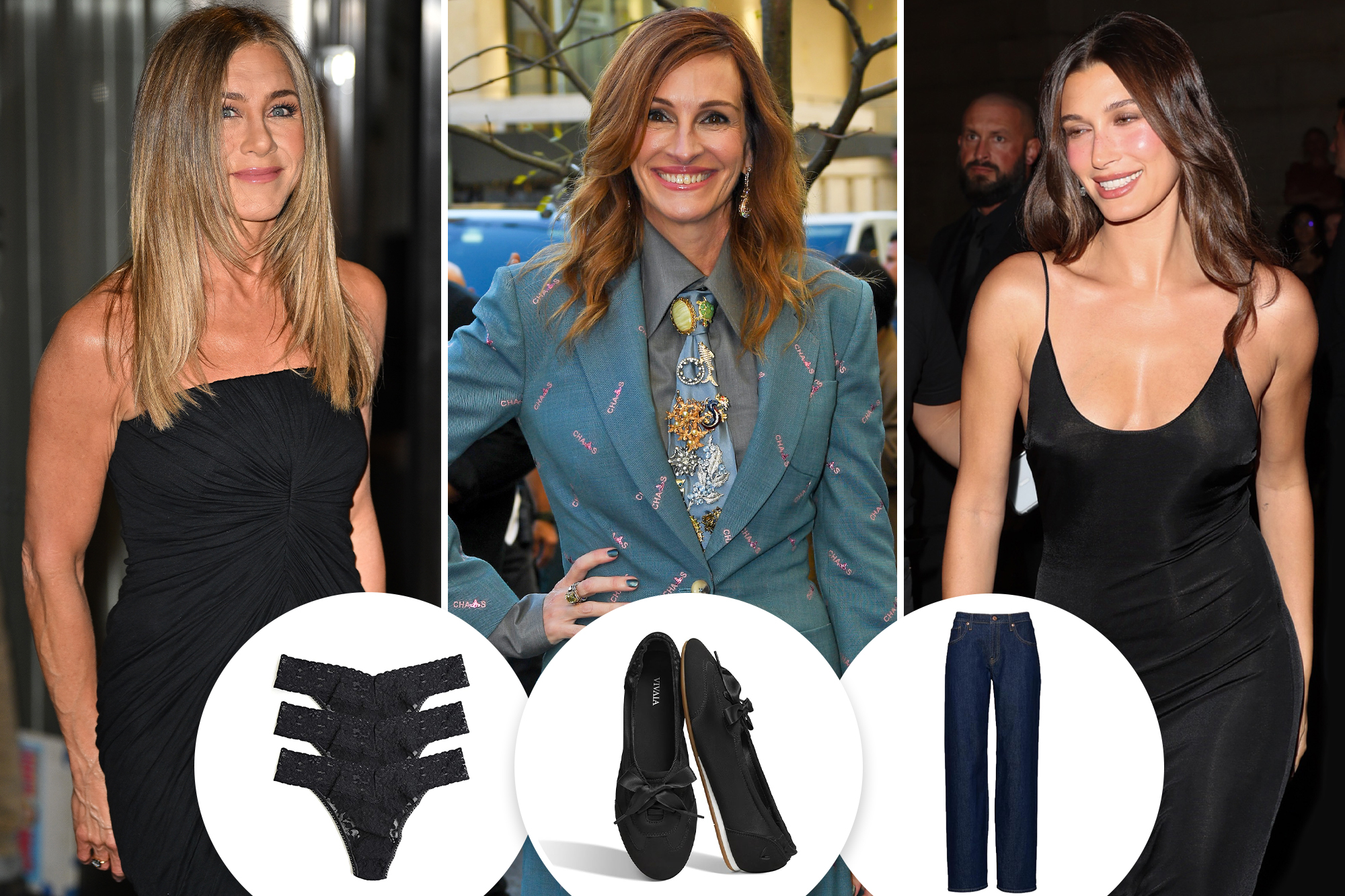
The phenomenon began quietly as a simple extension of Amazon’s annual sales event, but it has exploded into a consumer battleground that rivals any holiday shopping peak. For more than a decade, Prime Day has dominated the e‑commerce calendar, and this year’s focus on apparel has intensified the pressure on brick‑and‑mortar retailers to offer competitive prices and exclusive in‑store experiences. The 45+ headline‑worthy deals – ranging from luxury cashmere sweaters to high‑end sneakers – have turned Prime Day into a must‑watch spectacle for fashion insiders and casual buyers alike.
What’s at stake for the industry? The surge in online apparel sales not only boosts Amazon’s revenue streams but also sets a new baseline for price expectations. Traditional retailers are forced to confront a reality where consumers can purchase the same high‑quality garments from home at a fraction of the cost. As Amazon’s inventory deepens with designer collaborations, the next wave of shoppers will demand even greater value and exclusivity, leaving the retail landscape in a state of constant flux.
Background & Context
Prime Day’s roots lie in Amazon’s quest to expand its customer base beyond books and electronics. Launched in 2015, the event quickly became a holiday staple, growing from a single‑day affair into a multi‑day celebration by 2019. Each year, Amazon partners with thousands of brands, offering discounts that often eclipse those seen during Black Friday or Cyber Monday. By 2023, the focus had shifted toward lifestyle categories, with a significant portion of the sales volume coming from apparel, beauty, and home goods.
The shift toward fashion is not accidental. Retail analysts note that apparel is a high‑margin, fast‑moving category that attracts a younger, tech‑savvy demographic—exactly the group that values convenience and instant gratification. Moreover, Amazon’s massive logistics network allows it to ship high‑end items worldwide in a matter of days, making it a formidable competitor to specialty boutiques and department stores. The success of Prime Day fashion deals has spurred brands to secure exclusive listings, while some have launched limited‑edition lines specifically for the event.
The impact extends beyond consumer spending. Traditional retailers have had to re‑evaluate their pricing models, inventory forecasting, and digital strategies. In-store events, loyalty programs, and experiential marketing have become more critical as physical stores seek to differentiate themselves from the online convenience of Amazon. Meanwhile, Amazon’s continued investment in premium apparel signals a broader shift in the e‑commerce ecosystem, where luxury and affordability are increasingly converging.
What People Are Saying
During the final stretch of Prime Day, the online community has been abuzz with discussions about the most attractive bargains. Social media platforms have been flooded with user‑generated content showcasing last‑minute steals, from cashmere sweaters that were once priced at $250 now discounted to $150, to designer sneakers that were slashed by nearly 50 percent. The chatter is not limited to casual shoppers; industry insiders are also taking notice, noting that the volume of sales for certain categories far exceeds previous years’ totals.
Fashion influencers and bloggers have been quick to highlight the deals that would have been hard to find elsewhere. Even though we do not have quoted statements, the consensus online is clear: Amazon’s ability to pull high‑end fashion into a mainstream price point is disrupting traditional pricing structures. Comments from satisfied buyers often point out how the convenience of home delivery coupled with instant access to a curated list of discounts makes Prime Day a preferred shopping destination for many.
There is also a growing conversation about sustainability and the impact of fast‑fashion deals. Some shoppers have expressed concerns about overconsumption, while others argue that the discounted prices make premium quality items more accessible, potentially reducing the need for counterfeit or lower‑quality substitutes. The dialogue reflects a broader trend in consumer behavior, where value, ethics, and convenience intertwine in the decision‑making process.
What Happens Next
As Prime Day closes, the retail calendar will once again shift. Amazon will likely announce new offers and limited‑time promotions in the weeks that follow, aiming to maintain momentum and keep consumers engaged. Meanwhile, traditional retailers are expected to analyze the sales data to adjust their own pricing and inventory strategies. The data reveals not only what products are popular but also consumer price sensitivity, which will inform the next season’s merchandising plans.
The competition for exclusive deals is poised to intensify. Brands that secured Prime Day spots will evaluate the return on investment, potentially negotiating more favorable terms or launching their own in‑house sales events. Some may choose to partner with Amazon for a portion of their product lines while maintaining premium pricing in physical stores, creating a hybrid model that balances accessibility with exclusivity.
From a supply chain perspective, the rush to fill Prime Day orders has highlighted the need for agile logistics. Amazon’s ability to handle spikes in demand without significant delays will set a benchmark for other e‑commerce players. Brands will be prompted to refine their production schedules, ensuring that inventory levels can meet the sudden surge in consumer interest. This may lead to more collaborative forecasting between Amazon and suppliers, further tightening the feedback loop between demand and supply.
In the long term, the trend toward online discount events may become a permanent fixture in the retail cycle. The convenience of home delivery, combined with the allure of discounted luxury, is reshaping consumer expectations. As a result, the traditional retail model will need to evolve, integrating digital experiences, personalized recommendations, and a stronger omnichannel presence to compete effectively.
The ripple effects of this year’s Prime Day will reverberate through the industry for months, if not years. Amazon’s dominance in the fashion arena, coupled with the ever‑shifting dynamics of consumer behavior, underscores a pivotal moment in retail history—one that is still unfolding and will be watched closely by everyone from CEOs to casual shoppers. The final hours of the sale may have ended, but the story it tells is just beginning.
The Bottom Line
The headline of Amazon’s latest Prime Day is a case study in disruption—price, speed, and sustainability collide to reshape the apparel landscape. Amazon’s brutal discounting of high‑margin cashmere and designer shoes signals that online giants are no longer merely competitors; they are setting the industry’s baseline for value and convenience. Traditional retailers, now forced to respond to a new normal, must re‑engineer their pricing logic and invest in digital-first experiences that can compete with home delivery. Yet, this relentless drive for discounting raises uncomfortable questions about consumer culture: Are we trading quality for affordability at the cost of sustainability? The backlash against overconsumption is real, and brands that ignore it risk alienating a growing segment of ethically conscious buyers. Our view is that the future belongs to retailers who can marry the speed and affordability of e‑commerce with a compelling in‑store narrative that speaks to quality and purpose. The next season will test whether companies can survive without becoming just another Amazon storefront.
— The MyWorldPulse Editorial Team
Reference:
- Amazon's Prime Day Official Instagram Post announcing cashmere deals
Read more celebrity news at MyWorldPulse.