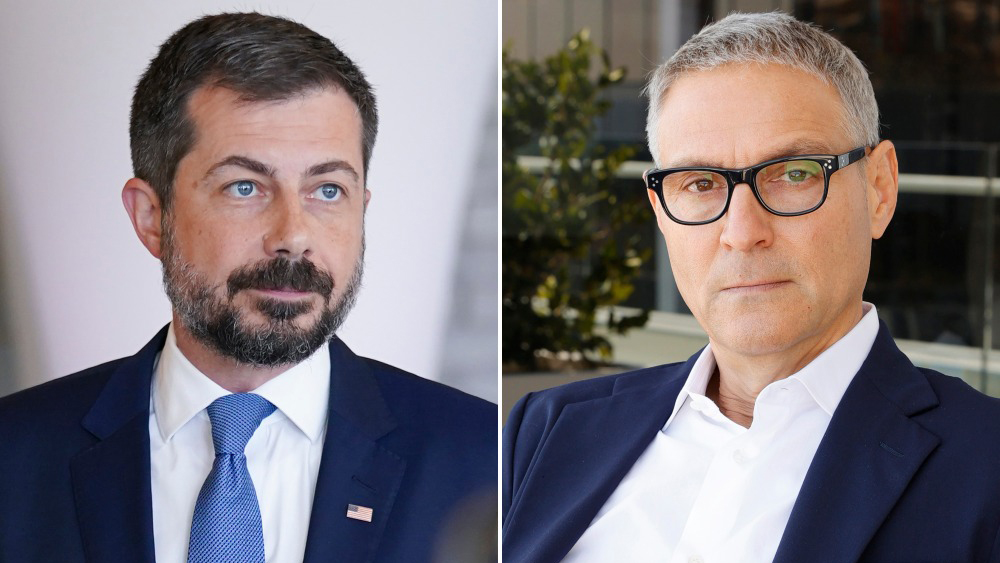
The sudden halt of every departing aircraft on November 14 sent ripple effects through airlines, airports, and travel agencies, and it was Ari Emanuel, chair of WME‑TKO, who let it all explode on social media. At 2:02 p.m. PST, he called former Transportation Secretary Pete Buttigieg a “failure” for “zero progress” on modernizing the FAA, a critique that reverberated across a sector already bracing for chaos. The incident is more than a headline; it is a watershed moment that threatens to reshape regulatory accountability and flight safety practices across the United States.
When the FAA announced a nationwide ground stop that afternoon, every departure gate across the country locked in place, leaving passengers in limbo and airlines scrambling for answers. The emergency directive—issued amid an unnamed telecommunications outage that disabled all air‑route traffic control centers—was the first time since the September 11 attacks that the agency has halted all flights nationwide. The pause, declared at 2:02 p.m. PST, sent a clear message: safety protocols had been breached, and the stakes had never been higher. While the FAA later confirmed that air‑traffic control centers had regained full functionality, normal operations were expected to resume only gradually, forcing industry leaders to confront a looming crisis.
In the wake of the stoppage, Ari Emanuel’s scathing commentary struck a chord among pilots, airlines, and the traveling public. “No one’s hands are clean here,” he wrote on X, adding that Buttigieg had “four years in the job and infrastructure money, yet…zero progress.” His words echoed across forums, sparking debate over whether the failure lay in policy or in execution. Meanwhile, the new Secretary of Transportation, Sean Duffy—nominated by former President Donald Trump in 2024—stepped forward to reassure the public. On X, he declared that “full functionality at our air traffic control centers has reopened,” but cautioned that “normal operations will still take some time to resume.” His statements highlighted the fragile nature of aviation safety infrastructure and the potential long‑term impact on travel confidence.
Background & Context
The FAA’s unprecedented decision to ground all flights was triggered by a “temporary telecommunications outage” that disabled key components of the air‑traffic control system, according to a 2:02 p.m. PST tweet from the agency. This outage, the FAA said, prevented controllers from communicating with aircraft, raising concerns about collision avoidance and overall safety. The grounding—effective immediately—preempted a full crisis response that involved multiple federal agencies, including the Department of Homeland Security and the Department of Defense.
The outage’s origin remains unclear, but it underscored longstanding criticisms that the FAA’s infrastructure had fallen behind modern technological standards. Former Secretary Pete Buttigieg, who served from 2022 to 2026, had been at the helm during a period when Congress earmarked significant funds for aviation modernization. Yet, as Emanuel’s post suggested, progress had stalled. The agency’s chief, Sean Duffy, confirmed that while systems had been restored, “normal operations” would take time to rebuild, hinting at deeper systemic issues.
The grounding’s ripple effects were felt across the industry almost instantly. Airlines such as United, American, and Delta reported flight cancellations in the thousands, while airports reported hundreds of gates idle. Ground crews, pilots, and passengers alike experienced abrupt changes, with many scrambling to rearrange itineraries or secure accommodations. The FAA’s announcement also triggered a cascade of security alerts from the FBI and other agencies, as they monitored the situation for potential cyber threats, although early indications pointed to a technical glitch rather than a malicious attack.
What People Are Saying
Ari Emanuel’s post ignited a flurry of responses from stakeholders in the aviation sector. Airline executives expressed frustration at the abrupt halt, noting the logistical nightmare of canceling hundreds of flights and the financial toll that would accrue. Some pilots voiced concerns that the outage exposed vulnerabilities in their everyday operations, while others praised the FAA’s swift decision to prioritize safety over convenience.
Passengers, too, were vocal. A number of travelers shared their frustration on social media, lamenting the inconvenience and the perceived lack of communication from airlines. Many pointed to the FAA’s delayed messaging and the ensuing uncertainty about whether flights would resume, highlighting the critical importance of real‑time updates in modern travel.
The FAA’s own messaging offered some reassurance. Chief Flight Operations Officer, in a statement to the press, emphasized that the agency had “recovered full functionality at all air‑traffic control centers” and was working to restore normal operations as quickly as possible. Yet the delay in re‑openings meant that the sector would face a protracted period of adjustment, with airlines scrambling to adjust crew schedules, fuel allocations, and customer service protocols.
In the broader regulatory landscape, Emanuel’s critique of Buttigieg sparked debate over the role of federal oversight versus political leadership. Some industry insiders argued that the FAA’s infrastructure required bipartisan investment and that leadership changes alone could not rectify systemic issues. Others saw the situation as a call to re‑evaluate the agency’s oversight and funding models, suggesting that the root causes lay in long‑standing budget constraints and outdated technology.
What Happens Next
In the immediate aftermath, the FAA announced an internal review of the telecommunications outage, with a timeline for publicly releasing findings. The review will examine the chain of events that led to the failure, the adequacy of existing safeguards, and the response protocols used during the crisis. A spokesperson for the agency stated that the review would aim to “ensure that the FAA’s communication systems meet the highest standards of reliability and resilience.”
Meanwhile, Congress is poised to weigh in. A bipartisan group of lawmakers has signaled intentions to convene a hearing on the FAA’s readiness and the broader modernization plan that Buttigieg had championed. The hearing, set for early 2027, will likely scrutinize the allocation of the $5 billion infrastructure package approved in 2023 and investigate whether those funds were effectively deployed to upgrade radar, data links, and other critical systems.
For airlines, the path to normalcy involves a multi‑step process. First, crews must be retrained on updated flight procedures that account for any changes in communication protocols. Second, airlines will need to re‑align scheduling and fuel planning, taking into account the possibility of intermittent outages in the future. Finally, they will be tasked with restoring passenger confidence through transparent communication and enhanced customer support services.
Passengers and travel agencies are also anticipating policy changes. Industry analysts predict that the incident will accelerate demand for real‑time flight status updates, robust contingency planning, and improved coordination between airlines and the FAA. Some argue that a new federal oversight board could be established to provide independent monitoring of aviation safety infrastructure, ensuring that any future outages are mitigated before they impact commercial flight operations.
In sum, the November 14 ground stop and Emanuel’s public rebuke of Buttigieg have sparked a multi‑layered industry reckoning. The FAA’s investigation, congressional scrutiny, and the broader debate over infrastructure funding will shape the future of air travel safety and regulatory accountability. As the industry braces for the next wave of updates, the emphasis will shift from reacting to outages to proactively preventing them—an imperative that, for the first time, has captured the full attention of the national conversation.
The Bottom Line
—MyWorldPulse
The November 14 ground stop is more than an operational hiccup; it is a wake‑up call for the entire aviation ecosystem. The fact that a single telecommunications glitch could shut down every departure gate in the country is a stark reminder that safety hinges on resilient technology, not merely on rules. Ari Emanuel’s scathing tweet on X is not gratuitous criticism but a demand for accountability from a regulator who was supposed to spearhead modernization. When an agency entrusted with national safety fails to keep its infrastructure current, the ripple effects are felt by airlines, pilots, passengers, and the economy at large.
The FAA’s prompt acknowledgment of the outage and the promise of a full review is a start, but the real test lies in the actions that follow. Congress must hold the agency to its funding commitments, and the industry must adopt transparent, data‑driven contingency protocols. Without these steps, the sector risks repeating this costly scenario and eroding public trust. It is incumbent on all stakeholders to transform this crisis into a permanent improvement in aviation safety and regulatory oversight.
Reference:
- Official tweet by Ari Emanuel on X
- Official statement by Sean Duffy on X
Read more celebrity news at MyWorldPulse.