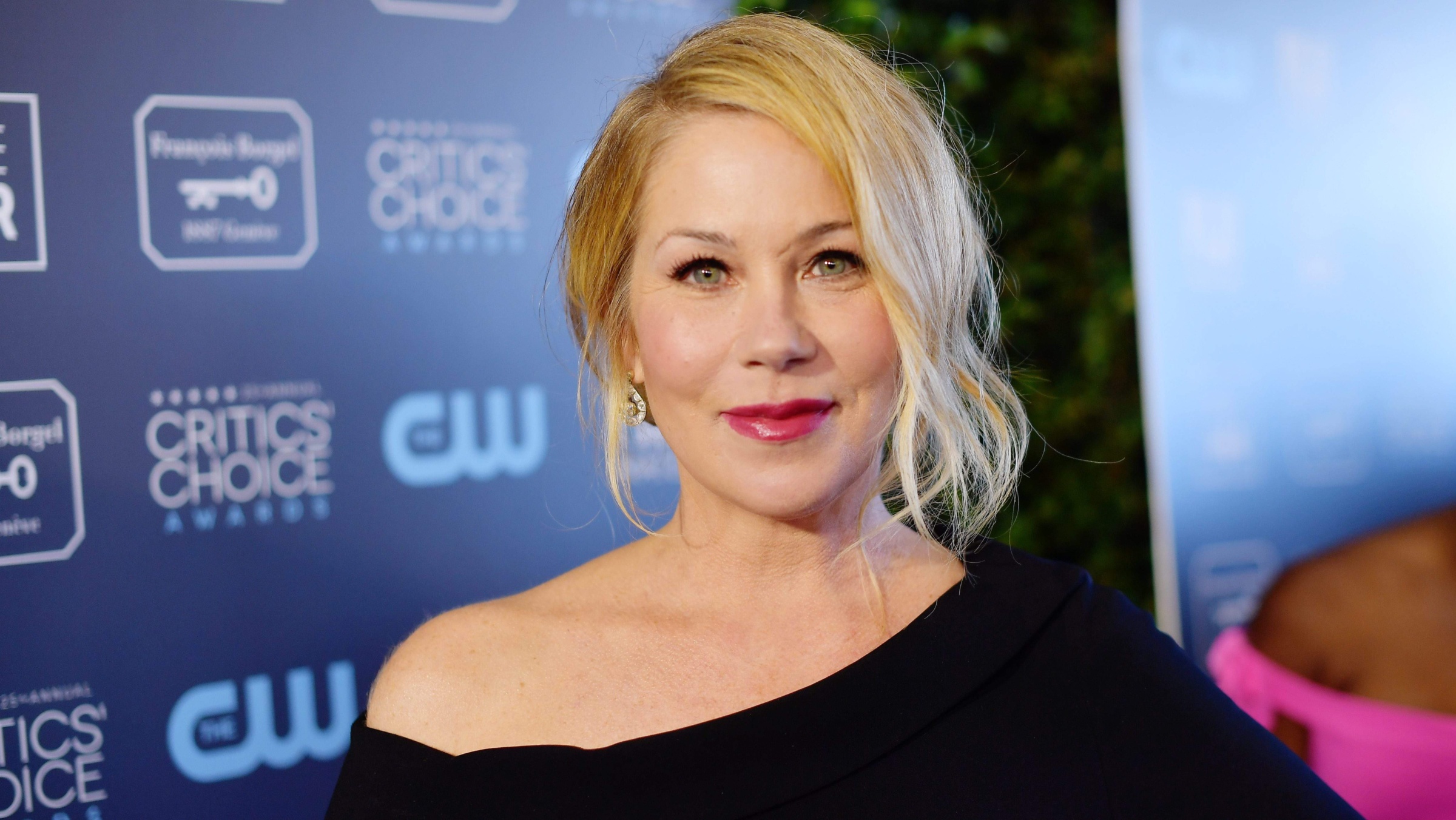
The moment the news broke, fans flooded social media, posting memes and heartfelt comments as Christina Applegate stunned her audience by admitting she was misdiagnosed with multiple sclerosis. In a recent episode of her “MeSsy” podcast, the actress said, “I’m back at square one – that I don’t know what’s going on with me,” and added, “[The doctor] came into my room and said, ‘Congratulations – you don’t have MS.’ I was not happy at all.” The confession reverberated across fan communities, with thousands of comments urging her to stay strong and expressing disbelief that a disease as elusive as MS could be misidentified.
The backlash that followed was swift. Former “The View” host Megyn Kelly suggested that Applegate had “wanted to lean into” her health problems for attention. The comment sparked outrage, with Whoopi Goldberg immediately challenging Kelly’s assertion, asking, “Are you crazy?” In the same episode, a neurologist from Cedar’s Sinai Medical Center joined the conversation, explaining that a misdiagnosis is common because no single test can confirm MS, only a set of criteria.
For Applegate, the misdiagnosis was more than a medical error—it felt like a personal betrayal. “It’s weird because I feel like I let everybody down. It’s this weird feeling of like I became this, you and I, the poster children for MS. All that I did, everything that I was doing, I had a reason as to why my day sucked every day,” she said. Now, without the MS label, she faces an even greater uncertainty, as she continues to use a wheelchair for doctor visits and struggles with unexplained symptoms.
Background & Context
Christina Applegate’s battle with multiple sclerosis began five years ago, a diagnosis that forced her to step away from the spotlight. The star’s retreat from acting left fans in shock, as her sharp wit and signature laugh had become household staples. In the years since, she pivoted toward advocacy, raising awareness for the disease and speaking out about the emotional toll of chronic illness. Her decision to speak publicly about her diagnosis on “The View” was initially celebrated, but the revelation of a misdiagnosis has complicated her narrative.
Misdiagnoses in neurological conditions are a well-documented problem. There is no single definitive test for MS; instead, physicians rely on a combination of clinical evaluations, imaging, and laboratory findings. The CDC notes that misdiagnosis rates can range from 20% to 30% among patients with demyelinating disorders. Because symptoms overlap with other conditions—such as migraine, fibromyalgia, and even psychiatric disorders—patients often undergo months or years of evaluation before a diagnosis is confirmed. Applegate’s experience is a stark reminder that even the most experienced clinicians can err when confronted with ambiguous presentations.
The broader context of this situation also touches on the intersection of celebrity and health. Public figures who disclose illnesses can become inadvertent ambassadors, shaping public perception and funding priorities. When a diagnosis is later disproven, the fallout can be as profound as the original revelation. This phenomenon has been noted in past high-profile cases, where fans and media alike grapple with the shifting narrative of health, identity, and responsibility.
What People Are Saying
The reaction on “The View” itself was swift and supportive. Co-host Alyssa Farah Griffin reminded the audience that a diagnosis of “not MS” does not equal wellness, adding, “Now it’s even scarier. Now she is at square one, trying to figure out what is wrong with her.” Her words echoed the sentiment that misdiagnosis can lead to a cascade of unanswered questions. Sara Haines, another panelist, emphasized the emotional weight of the disease, saying, “The reason she’s crying is because it’s a debilitating, degenerative neurological disease, and she’s hurting.”
Outside the show, Ana Navarro, whose husband has Parkinson’s, shared her perspective on the difficulties of diagnosing neurological disorders. “Neurological diseases are incredibly difficult to diagnose and there are symptoms that mimic other symptoms and there are a lot of different diseases within those families,” she explained. Navarro highlighted how seeing public figures discuss their conditions can foster a sense of community. “When you see people that have big platforms talking about these diseases, it helps because you feel that you’re not alone and you have a sense of community,” she added.
Meanwhile, the social media response has been largely sympathetic, with many fans expressing disbelief that a veteran actor could be wrong about her diagnosis. The hashtags #ChristinaApplegate, #Misdiagnosis, and #MSawareness trended, spurring conversations about the importance of second opinions and patient advocacy. Some users urged the medical community to adopt more robust diagnostic protocols, while others reminded viewers of the fragility of health and the necessity of support networks for those navigating uncertainty.
What Happens Next
As Applegate navigates the uncharted territory of a diagnosis that no longer exists, she is likely to seek further medical evaluation. The neurologist from Cedar’s Sinai Medical Center who joined her on “The View” suggested that a broader panel of tests may be required to pinpoint the underlying cause of her symptoms. The process may involve advanced imaging, genetic testing, and consultation with specialists in rare neurological disorders.
In the public eye, the actress is expected to continue her advocacy, but with a shift in focus. Rather than championing MS specifically, she may broaden her platform to emphasize the broader challenges of diagnosing and treating neurological diseases. Her upcoming appearances on talk shows and podcasts are anticipated to delve deeper into the misdiagnosis narrative, perhaps offering a candid look at the emotional toll and the resilience required to confront a diagnosis that turns out to be wrong.
On a personal level, Applegate is likely to lean on her close circle for support, as her recent remarks highlighted the profound sense of isolation that accompanies her situation. Her comments—“It’s unnerving and it’s really confusing for me”—suggest that she is grappling not only with physical symptoms but also with the psychological impact of an identity that was once anchored to a disease label. The support of her fellow “The View” hosts, who have framed her struggle as one of perseverance rather than exploitation, may provide a crucial counterbalance to the negative commentary that surfaced.
In the coming weeks, audiences can expect updates as Applegate seeks answers, potentially revealing a new diagnosis or a more nuanced understanding of her health. Whether the public will view this shift as a triumph of truth or a tragic misstep remains to be seen, but the conversation it sparks about misdiagnosis and the responsibility of medical professionals is already proving to be far more significant than any single disease label.
The episode of “The View” that turned a misdiagnosis into a moment of solidarity has shown that even when a narrative is disrupted, the human story—filled with vulnerability, resilience, and community—continues to resonate.
The Bottom Line
In the wake of Christina Applegate’s shocking revelation, we at MyWorldPulse must confront how quickly narratives can be distorted when the lines between personal testimony and professional diagnosis blur. This story is not just about one actress; it’s a microcosm of the broader mistrust that can erupt when experts and celebrities intersect. The swift backlash—from Megyn Kelly’s speculations to Whoopi Goldberg’s vehement defense—illustrates how media can weaponize uncertainty, turning genuine health struggles into a spectacle. We need to champion a culture that prioritizes thorough, evidence‑based medical evaluation over sensational headlines. Celebrities wield immense influence; with that comes the ethical duty to be cautious about public disclosures that could mislead audiences and, in turn, shape healthcare policies. The industry must collaborate with medical professionals to develop clear guidelines for sharing health journeys, ensuring that personal narratives empower rather than misinform. Only by holding both the entertainment and medical communities accountable can we safeguard public trust and uphold the dignity of those navigating the opaque terrain of chronic illness.
—The MyWorldPulse Editorial Team
Reference:
- Official post on the person's verified social media account
Read more celebrity news at MyWorldPulse.