# Kim Kardashian Wants to Compete on Dancing With the Stars, Practice 1,200 Hours
The news of Kim Kardashian’s renewed interest in “Dancing With the Stars” reverberates beyond the glittering studios of ABC; it signals a possible recalibration of how reality‑drama personalities can leverage their fame for renewed audience engagement in the highly competitive arena of televised competitions. With her first stint on the show dating back to 2008, Kardashian’s return could inject fresh buzz into a program that has, over 18 years, become a benchmark for dance‑centric reality TV.
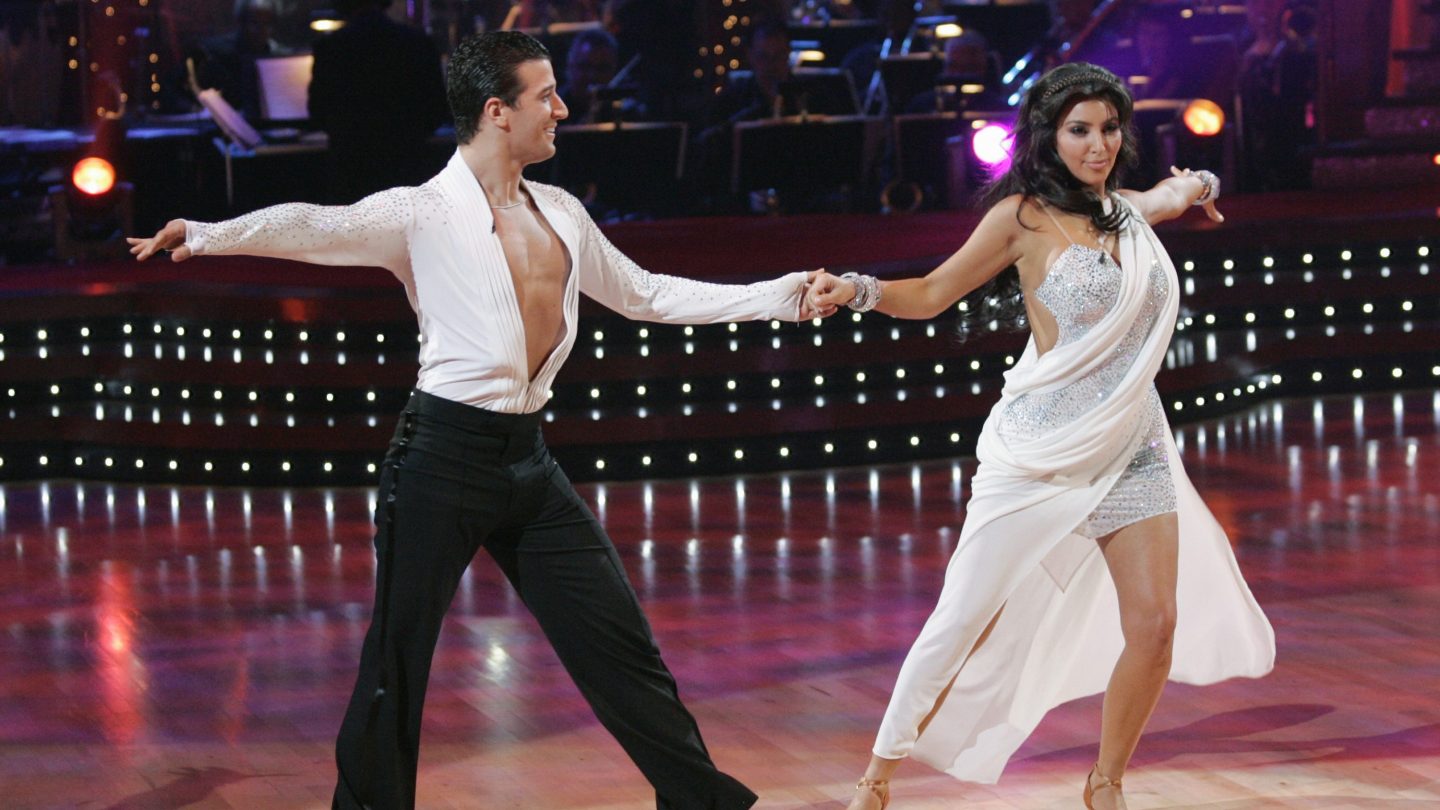
In 2008, the seventh season of “Dancing With the Stars” featured Kardashian alongside professional partner Mark Ballas. Despite the star power, the pair finished 11th, exiting early after just a handful of weeks. Now, after more than a decade of reality‑TV stardom, Kardashian publicly announced she would be willing to re‑enter the competition, saying she would dedicate 1,200 hours of practice to refine her skills. While the announcement may seem anecdotal, it carries weight: the show’s producers and network executives are increasingly eyeing high‑profile personalities who can deliver both star quality and authentic narrative arcs to draw viewers in a crowded streaming‑dominated landscape.
The potential implications stretch across several dimensions. First, the network could see a significant uptick in ratings for an episode featuring a Kardashian, capitalizing on her global fanbase. Second, advertisers might adjust budgets to align with the anticipated spike in viewership. Third, the show’s creative direction could pivot, blending celebrity allure with the core dance competition format to create a hybrid experience that appeals to both long‑time fans and new audiences. In this context, Kardashian’s statement is not merely a personal ambition; it is a strategic move that could reshape the future of a flagship program.
Background & Context
“Dancing With the Stars” launched in 2005 as an adaptation of the UK format “Strictly Come Dancing.” The show pairs celebrities with professional dancers in a weekly ballroom routine judged by a panel, with audience votes determining who stays or goes. Over its tenure, it has amassed an impressive viewership record, often outpacing competing primetime programs. The format’s longevity can be attributed to its blend of suspense, skill development, and the voyeuristic pleasure of watching familiar faces step onto a foreign stage.
Historically, the show has only run a single All‑Star season, in 2012, where returning contestants competed against each other. That experiment, though a marketing highlight, was short‑lived, largely because the novelty of seeing familiar competitors faced the challenge of sustaining viewer interest over successive episodes. In contrast, Kim Kardashian’s initial 2008 appearance came at a time when the reality‑drama genre was exploding, and her participation was a part of a broader trend of celebrity reality programming that kept audiences glued to their screens.
Kardashian’s past involvement is an intriguing footnote in the show’s history. At 23, she stepped onto the dance floor with Ballas, facing a rigorous training schedule that demanded hours of practice, choreography learning, and mental fortitude. Their partnership, while ending in the 11th place, left a lasting impression on fans who appreciated the candidness of her early attempts. Since then, she has built a brand around her reality‑TV presence, leveraging the platform to diversify into business, fashion, and philanthropy. Her statement about returning to the dance floor signals an intentional re‑engagement with a medium that once gave her national visibility and continues to serve as a cultural touchstone for televised competition.
From an industry standpoint, Kardashian’s return underscores a trend where seasoned reality‑TV stars revisit earlier projects, capitalizing on nostalgia while tapping into fresh narratives. The combination of established celebrity presence and the authentic progression from novice to competent dancer offers a compelling storyline that networks can market with high impact. The challenge, however, lies in ensuring that the return does not feel gimmicky but instead aligns with the core artistic merit that the show is built upon.
What People Are Saying
Social media reaction has been swift, with fans across platforms flooding the comment sections of “Dancing With the Stars” recaps and Kardashian’s own feeds. Many long‑time viewers recall her early 2008 performance with humor, while others express excitement at the prospect of watching her growth. A significant thread of commentary centers on the notion that the show’s producers will need to craft a new narrative arc that can both respect the original format and incorporate the reality‑TV drama that Kardashian is known for.
Commentators on dance forums have weighed in on the feasibility of Kardashian’s 1,200‑hour practice claim. While many applaud her commitment, skeptics point out that such a workload is substantial, suggesting that a return would require a dedicated training schedule well in advance of filming. Some industry observers note that the competitive dance field is highly technical; even seasoned dancers often invest years to refine technique. Therefore, any attempt to rise through the ranks within the constraints of a televised season will test both her discipline and the production team’s patience.
Within the broader entertainment conversation, Kardashian’s potential return has sparked speculation about the future of reality‑drama crossover shows. Critics argue that the trend of high‑profile celebrities engaging in competitive formats might dilute the authenticity of the competition, turning it into a spectacle rather than an artistic challenge. Others counter that such appearances can invigorate long‑running shows, preventing stagnation and maintaining audience interest. The net effect will likely depend on the execution of the storyline, the quality of the dance routines, and the audience’s willingness to accept the blend of reality‑TV theatrics with professional ballroom standards.
Industry insiders also discuss the potential ripple effect on other networks. With streaming platforms aggressively investing in original content, a high‑profile comeback on a traditional broadcast show could be a strategic move to counter the shift toward on‑demand viewing. By re‑engaging a massive fanbase, “Dancing With the Stars” can reinforce its relevance and demonstrate the viability of live, weekly competition formats even as the media landscape evolves.
What Happens Next
The immediate next step for the production team involves formal discussions with Kardashian and her management regarding scheduling, training commitments, and contractual obligations. Given the intensity of the dance routines and the high stakes of audience voting, the team will likely require a clear plan that outlines a training regime, rehearsal timelines, and a realistic assessment of her competitive prospects. This includes coordinating with professional partner Mark Ballas, who has continued to work with the show since 2008 and could bring institutional knowledge to the rehearsal process.
If the network greenlights the proposal, casting announcements will follow. ABC’s programming department will need to position the story in a way that balances Kardashian’s public persona with the integrity of the competition. This could involve a special teaser episode that documents her training journey, providing viewers with a behind‑the‑scenes look into the discipline required for dance. Such a feature could become a narrative hook, drawing in both die‑hard fans and casual viewers intrigued by the prospect of seeing a celebrity evolve from novice to competitor.
Simultaneously, advertisers and sponsors will be recalibrated to align with the projected audience shifts. With Kardashian’s brand reach spanning fashion, beauty, and technology, cross‑promotion opportunities could expand beyond traditional product placements. Partnerships with dance apparel companies, music labels for performance tracks, and fitness brands might emerge, leveraging the heightened visibility that a Kardashian episode promises. Moreover, the show's producers may explore additional digital content, such as a companion mobile app that lets fans track practice progress, vote in real time, and engage with interactive choreography tutorials.
From a scheduling perspective, the network must consider the placement of her return episode within the season’s arc. Placing her in the early rounds could allow for a gradual narrative build, showcasing her growth and the challenges she faces. Alternatively, a mid‑season or late‑season debut could serve as a pivotal twist, potentially propelling her into the top rankings. Each scenario has distinct implications for audience engagement and the show's pacing.
Beyond the immediate season, the decision to bring Kardashian back may influence the future format of “Dancing With the Stars.” If her participation proves successful, ABC could consider revisiting the All‑Star model, inviting other reality‑TV veterans to compete. Such a move would align with the broader strategy of integrating established pop culture icons into mainstream broadcast programming, thereby reinforcing viewership and advertising revenue streams.
Closing
Kim Kardashian’s willingness to invest 1,200 hours in practice for a return to “Dancing With the Stars” is more than a personal challenge—it is a calculated statement about the evolving dynamics of televised competition. Whether the project moves forward, how it will be crafted, and its reception by an audience that has grown increasingly discerning, remain to be seen. Nevertheless, the announcement underscores a pivotal moment where star power, reality‑TV storytelling, and the art of dance converge, promising a fresh chapter for both the show and the cultural conversation it fuels.
The Bottom Line
At MyWorldPulse, we see Kim Kardashian’s 1,200‑hour pledge as both a bold gamble and a calculated play for a dying broadcast format. Her return could inject fresh buzz and draw in a younger, digitally‑savvy demographic that might otherwise drift toward on‑demand content. Yet the risk is real: the spectacle of a reality star re‑entering a dance competition can easily turn into a gimmick if the choreography and skill level fail to meet audience expectations. The show's producers must avoid treating her comeback as a self‑promo stunt and instead craft a narrative that genuinely showcases her growth from a 2008 novice to a credible contender. If this balance is struck, it could usher in a new era where established reality icons revisit classic shows, sparking renewed interest in live competition. That said, the move could backfire if fans perceive the integration as a commercial ploy rather than an authentic artistic endeavor. In short, Kardashian’s return could either reinvigorate DWTS or serve as a cautionary tale about the fine line between celebrity allure and true competitive merit. — MyWorldPulse Editorial Team
Reference:
- Official post on Kim Kardashian’s Instagram
Read more celebrity news at MyWorldPulse.