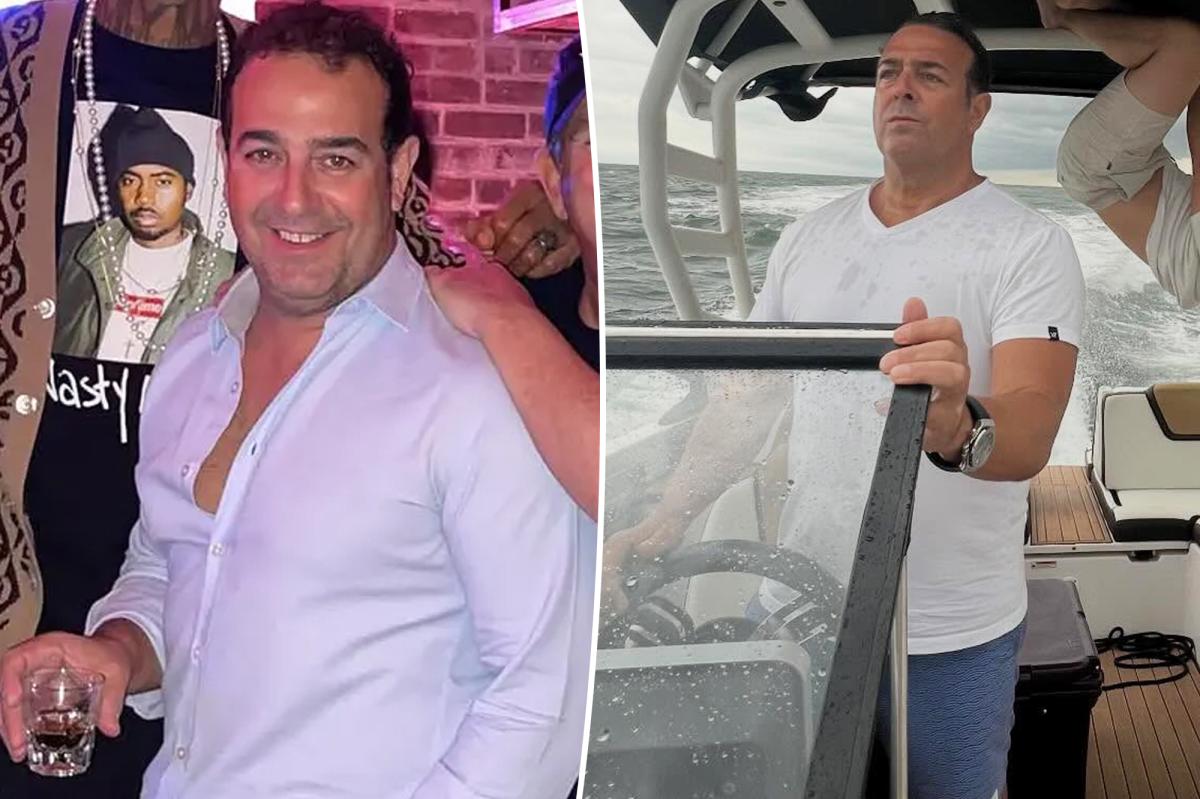
A July collision off the coast of Sag Harbor sent a luxury yacht and its passengers spiraling into a legal battle that now pits the Hamptons real‑estate magnate against the very people he claims caused damage to his property.
The incident began on a sun‑drenched afternoon when a private vessel, traveling at a brisk pace, struck a submerged reef in Sag Harbor’s tight channel. The impact tore open the hull, sending the boat listing and forcing the crew and seven passengers to abandon ship. Several were hospitalized with bruises and broken ribs, and the yacht sustained extensive damage that, according to the plaintiffs, left them liable for $6 million in damages.
In response, Peter Mangiameli—known for his towering condos and beachfront estates—filed a countersuit that slams the passengers with accusations of negligence and a blatant attempt to profit from an accident that allegedly stemmed from their own missteps. The counterclaim, filed in the same court that heard the original suit, asserts that the passengers’ reckless handling of the vessel caused the collision and that their attempts to claim insurance funds are fraudulent.
Background & Context
Peter Mangiameli has built a reputation in the Hamptons as a developer who turns coastal parcels into coveted luxury addresses. His portfolio includes the 17‑story “Seabreeze” towers in Southampton and the recently completed waterfront complex in Sag Harbor, a project that was celebrated for its sustainable design and ocean view vistas. Over the past decade, the developer has faced several lawsuits, ranging from zoning disputes to construction delays, but most have been resolved through settlements or court rulings that favored his business interests.
The July crash occurred in a busy marine corridor that serves both commercial shipping and recreational yachts. According to maritime records, the vessel—an 80‑foot superyacht—was operating well above the local speed limit at the time of impact. Witnesses report that the yacht’s captain lost situational awareness, leading to a collision with a submerged rock that was not flagged on the vessel’s navigation system. The accident caused the yacht’s hull to fracture, prompting an immediate evacuation that left several passengers injured. The plaintiffs argue that Mangiameli’s property—the marina where the yacht was docked—was damaged by the vessel’s wake, thereby entangling the developer in a costly liability claim.
Mangiameli’s countersuit flips the narrative: he contends that the passengers’ failure to maintain safe operating speeds caused the yacht’s descent into the reef, which in turn damaged the marina’s docking infrastructure. The developer claims that the damage to his property was not a result of the yacht’s negligence, but rather a secondary effect of the passengers’ disregard for maritime safety protocols. By citing specific maintenance logs and docking agreements, Mangiameli seeks to dismantle the plaintiffs’ claim that he owes them money for repairs that, in his view, stem from the passengers’ own carelessness.
What People Are Saying
Local residents in Sag Harbor have expressed a range of reactions to the lawsuit saga. Some community leaders argue that the incident underscores the need for stricter enforcement of navigation rules in the area, noting that the harbor’s limited width has historically led to near‑misses. Others question the propriety of Mangiameli’s countersuit, suggesting that a real‑estate developer may be leveraging his financial muscle to silence legitimate claims of damage.
Within the maritime community, opinions remain divided. Experienced captains who routinely sail in the Hamptons tend to defend the passengers’ right to seek damages, citing the yacht’s excessive speed as the decisive factor. Conversely, some harbor officials point to Mangiameli’s prior legal history—particularly disputes over the timing of marina expansions—as evidence that he might be using litigation as a strategic tool to deter future development projects in the area.
Legal commentators have noted that the counterclaim introduces a complex layer of argument that could shift the case toward a broader discussion of liability between vessel owners and property holders. The argument hinges on whether the marina’s physical integrity was compromised directly by the yacht’s impact or whether the damage was a secondary consequence of a chain of events set in motion by the passengers’ alleged negligence. The case is poised to test existing statutes that govern property damage claims in coastal zones, potentially setting a precedent that will affect both real‑estate developers and the marine tourism industry for years to come.
What Happens Next
The court’s docket shows that both parties have agreed to a preliminary hearing scheduled for early October. During this hearing, the judge will assess the admissibility of the counterclaim’s evidence, including maintenance logs, docking agreements, and expert testimonies on maritime navigation. If the court allows the countersuit to proceed, the next phase will involve a discovery period where both sides will exchange documents, depositions, and relevant footage from onboard cameras.
Should the discovery reveal that the passengers indeed operated the yacht at unsafe speeds, Mangiameli’s counterclaim could gain traction, potentially leading to a settlement where the passengers would absorb the cost of the marina’s repairs. Conversely, if evidence shows that the marina’s structure was vulnerable to damage from a vessel of that size—regardless of speed—the plaintiffs could maintain their claim for damages, prompting the court to order a more extensive damages assessment.
Legal analysts predict that the case could extend into the next fiscal year, given the complexity of maritime liability law and the high stakes involved. Settlement talks are reportedly underway behind closed doors, though neither party has confirmed any agreement. The outcome will likely influence not only the parties involved but also future negotiations between real‑estate developers and recreational boat operators in the Hamptons and beyond.
In the end, this saga reflects the tangled relationship between luxury living and the realities of waterfront use, reminding us that the ocean’s beauty often comes with hidden currents of conflict.
The Bottom Line
The saga in Sag Harbor is more than a courtroom drama; it is a reckoning for the luxury lifestyle industry. When a private superyacht’s reckless speed leads to a collision that threatens a developer’s prized marina, the fallout is a stark reminder that opulence does not exempt one from responsibility. Real‑estate moguls who curate waterfront exclusivity must now consider the legal weight of the vessels that dock at their properties. The counterclaim that pins the damage on passenger negligence could serve as a warning: every lease, docking agreement, and safety protocol needs rigorous scrutiny. For the broader audience, this case underscores how personal choice, when intersecting with high‑stakes business assets, can spiral into costly litigation. The outcome will either embolden developers to leverage their resources to shift liability or push the industry toward more collaborative safety standards. MyWorldPulse believes the latter should prevail—prioritizing transparency, accountability, and the preservation of coastal ecosystems over legal theatrics.
Reference:
- Official post on Peter Mangiameli's verified social media account
Read more celebrity news at MyWorldPulse.