Nahla Berry, 18, Takes the Stand in Her Mother’s Custody Battle
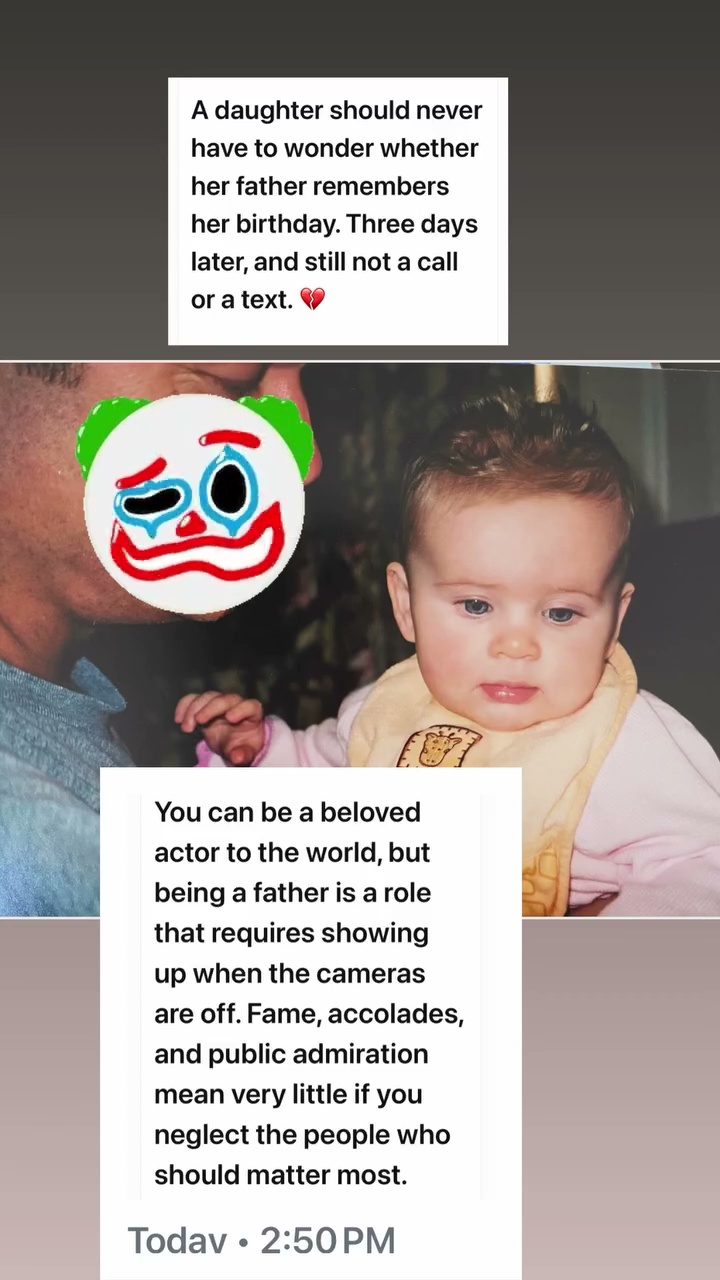
The courtroom buzzed as 18‑year‑old Nahla Berry, daughter of the Oscar‑winning actress, stepped forward to testify in the ongoing custody dispute over her younger brother. Her appearance marked the latest chapter in a saga that has captivated the public eye since the allegation that her mother, Halle Berry, had choked the child in question. Earlier in the proceedings, Nahla had already lent her support to her mother’s filings, but this time she gave a sworn account that could shape the outcome of the case.
The hearing took place in a Los Angeles courtroom, where the judge is now forced to weigh not only the alleged incident but also the broader family dynamics. The legal team for Berry has maintained that the charges are unsubstantiated, while the opposition has argued that the safety of the child must remain paramount. Nahla’s testimony, coming from a perspective close to the family, adds a human dimension that courts sometimes struggle to quantify. The case’s trajectory has already influenced discussions in both legal circles and the entertainment industry, where high‑profile custody battles can ripple through public perception of celebrity families.
Background & Context
Halle Berry’s journey through this public legal battle began in 2021 when a police report surfaced alleging that she had strangled her son in an altercation. That allegation prompted an investigation, leading to a temporary custody arrangement that left Berry with limited access to her child. In response, Berry’s legal counsel filed a motion seeking full custody, citing her commitment to providing a stable environment for her son. The court granted Berry partial custody, but the case has remained contested, with both sides presenting evidence that questions the child’s safety and the mother’s suitability.
Nahla Berry’s involvement is not unprecedented; family members often play pivotal roles in custody cases, offering testimony that can either corroborate or challenge claims presented by either party. Nahla’s earlier support of her mother’s filings signaled a clear familial stance: that Berry should maintain primary custody. Her current testimony, delivered under oath, underscores the seriousness of the legal proceedings and the weight of personal testimony in shaping judicial outcomes. Beyond the courtroom, the case has stirred debates about parental rights, the role of social media in influencing public opinion, and the broader implications for child welfare policies in high‑profile families.
The entertainment industry watches closely, recognizing that such legal disputes can impact an actor’s career and the perception of their brand. Berry, who has long been celebrated for her advocacy work and philanthropic efforts, now faces a courtroom drama that places her personal life under intense scrutiny. For audiences, the case is a reminder that even those who shine on screen can encounter the raw realities of legal battles, and that the law does not exempt celebrities from accountability.
What People Are Saying
The public reaction to Nahla’s testimony has been sharply divided. Supporters on social media platforms have rallied around Berry, praising her for her resilience and arguing that the allegations are a smear campaign. Critics, meanwhile, express concerns about the child’s safety and emphasize the need for the court to prioritize the best interests of the child above all else. This polarization reflects a broader cultural conversation about parenting, media portrayal, and the fairness of public trials.
Industry insiders have noted that the case has generated increased scrutiny over the representation of women in Hollywood, especially those who have become mothers. Commentators in entertainment journalism have highlighted that the legal proceedings underscore the fragility of public personas when personal matters come to light. The discourse has also extended into legal blogs and academic discussions, where scholars analyze how custody cases involving celebrities differ from typical family law disputes, particularly in terms of media influence and public perception.
Within the legal community, some experts anticipate that the judge will consider not only the facts presented but also the testimonies of close family members. Others warn that the court may require additional evidence, such as psychological evaluations of all parties involved, to make a decision that satisfies child‑protection statutes. The case has already spurred conversations about reforming custody procedures to better handle high‑profile families where public attention can complicate the pursuit of fairness.
What Happens Next
Following Nahla’s testimony, the court has scheduled a series of follow‑up hearings to address new evidence and to allow both sides to present further arguments. The judge has indicated that a comprehensive review of the child’s well‑being will take precedence, suggesting that medical and psychological reports will be scrutinized closely. The next hearing, slated for the end of next month, will determine whether a change in the current custody arrangement is warranted.
If the court finds the allegations credible, it may issue a temporary custody order pending a full trial. Conversely, if Berry’s side can demonstrate that the child’s safety is uncompromised, the judge might affirm the existing arrangement. Either outcome will set a precedent for similar cases involving public figures, potentially prompting changes in how courts handle custody disputes that attract significant media attention.
As the legal battle continues, both families will likely engage additional counsel and possibly consider mediation to reach an amicable resolution. Public interest will probably remain high, with fans and critics alike following each development closely. Whether the outcome restores Berry’s full custody or redefines the family’s structure, the case will leave a lasting imprint on discussions about parental rights, child welfare, and the intersection of celebrity life with the law.
The next few weeks will test the resilience of all parties involved. For Nahla, stepping onto the stand marks a courageous commitment to her brother’s future, while for Berry, the legal process is a stark reminder that the public’s perception of her life is now forever intertwined with a courtroom narrative. As the proceedings unfold, the world watches, waiting to see how the legal system balances the competing claims of family loyalty and child protection.
The Bottom Line
The court’s decision will reverberate far beyond the Berry family, setting a legal and cultural precedent for celebrity custody cases. While the law demands an objective evaluation of a child’s safety, the public’s appetite for drama can distort the narrative, pressuring judges to balance fairness with media scrutiny. As observers, we must remember that the ultimate goal is not a verdict that satisfies the spotlight but one that protects the vulnerable. In a world where celebrity lives are often curated, the courtroom serves as a reminder that accountability transcends fame. MyWorldPulse.com urges that the judiciary remains steadfast in its duty to the child, ensuring that the weight of a star’s past does not eclipse the need for justice. —The MyWorldPulse.com editorial team.
Reference:
- Halle Berry's Instagram post on custody update
Read more celebrity news at MyWorldPulse.