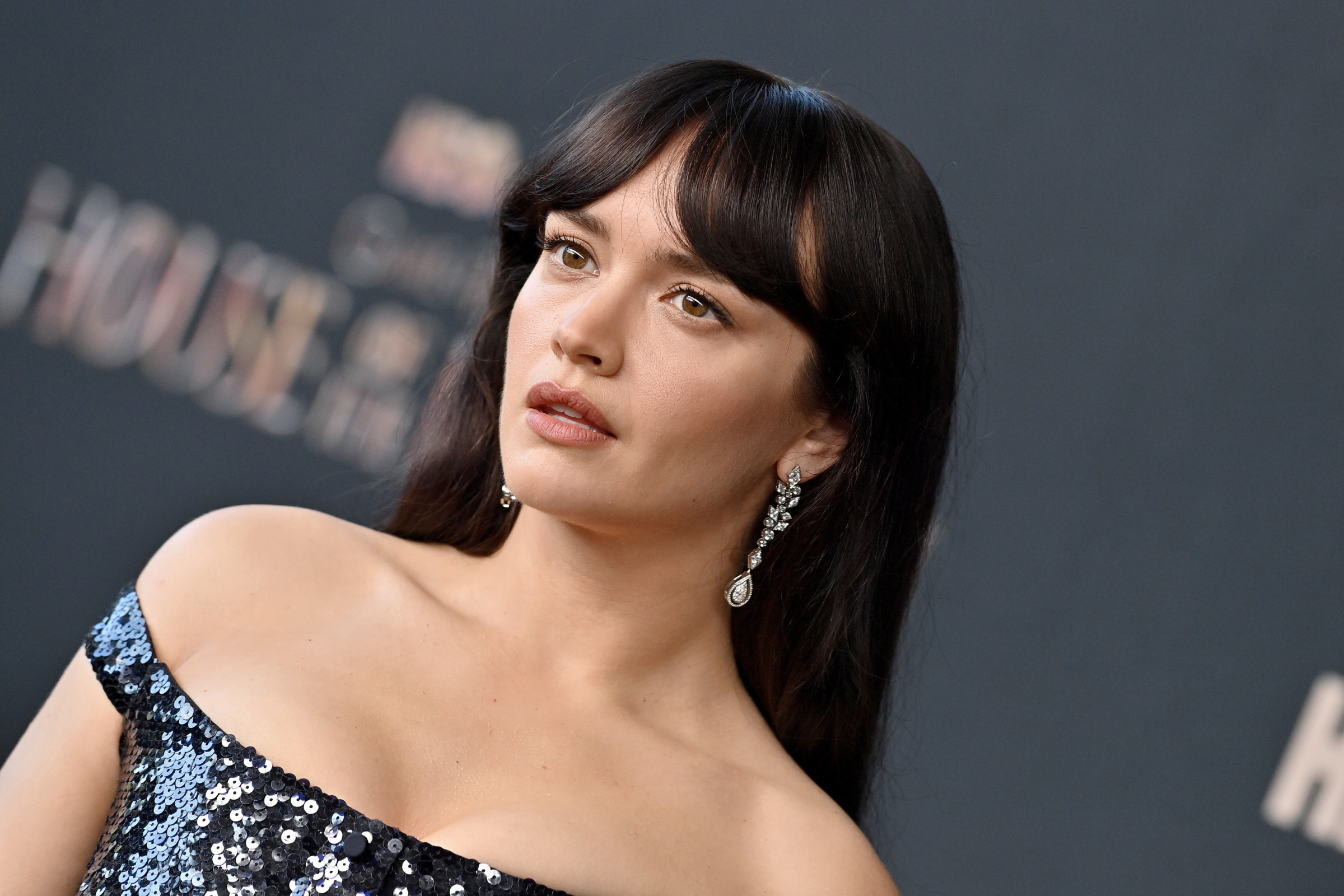
Olivia Cooke, the actress who portrays the ambitious Queen Alicent Hightower on HBO’s “House of the Dragon,” recently told GQ that she has cut herself off from the digital world. The decision, made just ahead of the series’ third season, stems from the “ugliness” she witnessed in the fandom’s online conversations—misogyny, racism, and a relentless storm of criticism that left her feeling drained and unsafe.
Cooke’s exit is more than a personal retreat; it signals a growing reckoning for actors who are thrust into the glare of fandom culture. For years, social media has been a double‑edged sword for performers, offering instant connection and powerful branding while also exposing them to vitriolic attacks. Her departure highlights the toll that this exposure can take, especially when fans polarize a character into villains and saints without room for nuance.
With the third season slated to arrive in late 2024, Cooke’s silence on Twitter, Instagram, and other platforms will be felt by millions of viewers who have followed Alicent’s rise from a minor figure in the prequel to a central player in the political drama. The actress’s choice raises questions about the sustainability of fame in an age where online scrutiny can feel relentless and unforgiving.
Background & Context
“House of the Dragon,” a prequel to the globally acclaimed “Game of Thrones,” launched in 2022 with a blend of familiar faces and fresh talent. Olivia Cooke joined the cast in a supporting role that quickly evolved into a key player, thanks to the narrative’s focus on the Targaryen dynasty’s internal power struggles. Alicent Hightower’s ambitions, manipulations, and eventual turn into a controversial queen resonated with viewers, sparking intense debate across fan forums and social media threads.
The show has faced its own controversies. Critics point to the series’ lack of racial diversity, arguing that a story about a family that historically ruled over many ethnicities should reflect that breadth. The decision to cast predominantly white actors in a world where the Targaryen bloodline was described as “black as the night” has fueled accusations of cultural erasure. These debates often spill over into fan conversations, where the line between passionate discussion and harassment blurs quickly.
Within this charged atmosphere, Cooke’s character became a lightning rod. Some viewers praised Alicent’s political acumen, while others castigated her for perceived cruelty. The division was so stark that it led to online harassment campaigns targeting Cooke herself, with detractors blaming the actress for the character’s supposed misdeeds. In an environment where a single tweet could ignite a wave of hate or praise, the psychological burden for actors like Cooke is considerable.
What People Are Saying
In the interview with GQ, Cooke described the atmosphere of “ugliness” that prompted her to step back. “I think some of those interpretations just catch fire, and they become something that bears a kind of weight that I can't bear to carry,” she said, alluding to the toxic commentary that had become normalized. Her words echo a broader conversation among performers, many of whom are voicing their discomfort with a culture that rewards outrage over artistry.
Fans on Reddit and Twitter have reacted with a mix of support and skepticism. Some applaud Cooke for prioritizing mental health, recognizing that the constant scrutiny can erode well‑being. Others argue that stepping away may diminish her connection with viewers, a vital element of a serialized drama that thrives on audience engagement. Notably, a number of supporters have organized petitions urging the network to take a stronger stance against harassment, citing Cooke’s experience as a catalyst.
Industry insiders have also weighed in. Producers of the series emphasize that the show’s success relies on audience investment, but many acknowledge the need for safer online spaces. “We’re looking into robust moderation and community guidelines,” one insider shared, indicating that the production team is taking fan conduct seriously. Meanwhile, other actors in the series have begun to distance themselves from social media as well, hinting at a possible shift in how the franchise engages its fan base.
What Happens Next
Cooke’s decision to leave social media does not signal an exit from the show itself. She remains committed to portraying Alicent Hightower through the upcoming season’s episodes. The production team has assured her that her performance will still be spotlighted in promotional materials, albeit with a more curated presence that protects her privacy. This compromise reflects a growing trend in the industry to separate on‑screen personas from off‑screen life, allowing actors to retain creative control without exposing themselves to the same level of hostility.
Looking forward, the network is evaluating its social media policies. Early indications suggest a renewed focus on content moderation, with plans to implement stricter enforcement against harassment and hate speech. Additionally, HBO is exploring fan‑education campaigns that aim to foster respectful discussion about the series’ complex themes. If successful, these measures could alter the landscape for future shows, setting new standards for online fandom engagement.
For Cooke personally, the next step involves navigating a delicate balance: staying connected to her audience while safeguarding her mental health. She has hinted at exploring alternative platforms—such as behind‑the‑scenes podcasts or written updates—where she can communicate her perspective without the immediacy that fuels toxicity. This approach could allow her to maintain visibility without surrendering the vulnerability that accompanies daily social media interaction.
The unfolding situation underscores a broader societal shift. As audiences increasingly demand authenticity, the entertainment industry faces the challenge of reconciling that demand with the harsh realities of digital communication. Olivia Cooke’s choice to step away from social media serves as a stark reminder that even the most beloved characters and the most celebrated actors are not immune to the forces shaping the digital age. It invites a conversation about the responsibilities of creators, networks, and fans alike—one that will likely reverberate far beyond the final episode of “House of the Dragon.”
The Bottom Line
At MyWorldPulse.com, we applaud Olivia Cooke’s courageous stand. Her choice is a stark reminder that the cost of fame should never eclipse an actor’s well‑being. While fans crave instant access to their idols, the industry must prioritize safe, respectful communication channels. We urge networks to enforce stricter moderation, transparently train moderators, and engage in proactive fan‑education campaigns. Actors deserve the right to choose how they interact with audiences without fear of abuse. Cooke’s exit is not a retreat from the show, but a strategic recalibration of her public presence. As a community, we must support her mental health and champion a future where talent thrives free from harassment. The conversation around digital safety is overdue; it is time for Hollywood to lead by example and protect the people who bring stories to life.
Reference:
- Official post on Olivia Cooke's verified social media account
Read more celebrity news at MyWorldPulse.