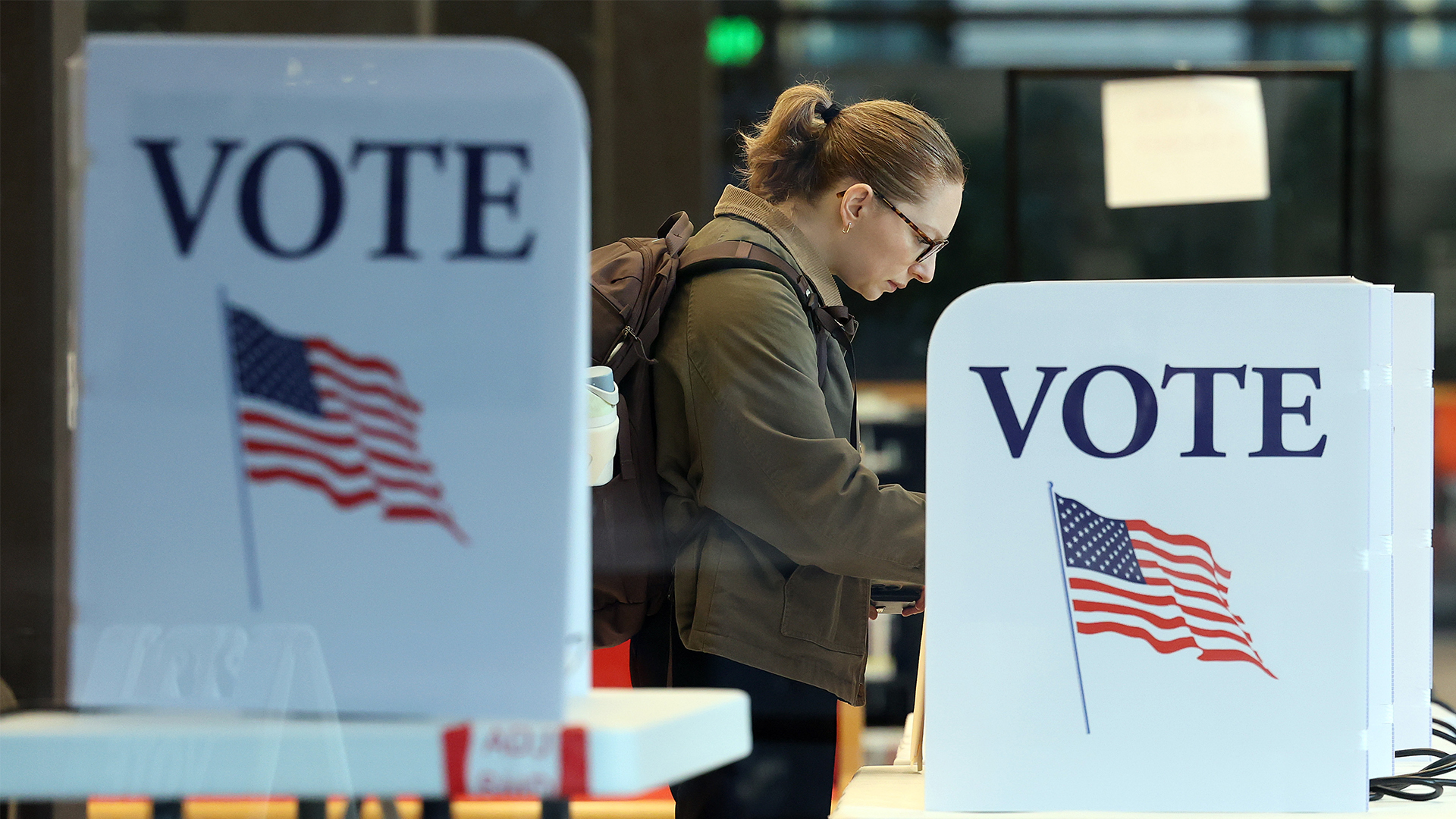
In a moment that felt more like a thriller than a ballot count, Jon Ossoff’s name lit up the evening news feeds when the final tallies confirmed his victory in the Georgia Senate race, a win that will shape the balance of power in Washington for the next six years.
The clock struck 4 p.m. Pacific Time, and the state’s canvassers had poured the last of the ballots into the system. For Ossoff, a former political science teacher turned charismatic Democrat, the numbers finally fell into place: a narrow margin of a few thousand votes over his Republican challenger, securing a second term that could prove pivotal in the Senate’s delicate partisan split. The outcome arrives amid a national mood that is still reeling from a contentious election season, and Georgia’s result is the latest chapter in a state that has gone from a reliably red bastion to a contested battleground in the last decade.
For Ossoff, the stakes are as personal as they are political. He first unseated a long‑time incumbent in 2021, becoming the youngest senator elected since the 1970s. His tenure has already been punctuated by bold legislative proposals—most notably on voting rights and climate policy—making him a household name beyond the Peach State. Now, as the dust settles on a campaign that saw both sides amass billions in spending, the senator’s future moves will likely set the tone for his agenda and for the party’s broader strategy in the Senate.
Background & Context
Georgia’s Senate race has been a microcosm of the country’s broader political transformation. In the early 2000s, the state was a Republican stronghold, but demographic shifts and increased voter turnout among minority communities have made it increasingly competitive. The 2020 presidential election, where the Democratic nominee won the state by a razor‑thin margin, marked the beginning of a new era. Ossoff’s 2021 upset was the first time a Democrat captured a seat in a Senate race since the 1990s, signaling the potential for a more balanced chamber.
The Senate, with its 100 seats, often sees fortunes hinge on a handful of close contests. As of 2024, the chamber sits with a narrow Democratic majority, which means that every seat matters. Ossoff’s ability to hold onto his seat keeps that majority intact and preserves his role as a key player on committees that oversee federal oversight, technology regulation, and health policy. His win also keeps a familiar voice in the Senate who has repeatedly spoken out against partisanship, offering a moderate counterbalance to more extreme factions.
Beyond the numbers, the 2024 campaign was a showcase of new political strategies. Both parties turned to data‑driven outreach, with micro‑targeted messaging reaching voters on social media platforms. Ossoff’s team leaned heavily on community engagement, holding town halls in underserved neighborhoods and leveraging grassroots volunteers to mobilize voters. His Republican opponent employed a high‑profile advertising campaign, backed by large donors, that sought to paint Ossoff as out of touch with rural constituents. The battle was, in many respects, a clash of styles: grassroots enthusiasm versus polished corporate messaging.
What People Are Saying
Across the political spectrum, reactions to Ossoff’s reelection have ranged from cautious optimism to sharp critique. Democratic insiders celebrate the win as a validation of progressive policies and proof of the power of voter mobilization. The senator himself has already hinted at a continued push for bipartisan solutions, particularly in the areas of infrastructure and healthcare reform. He emphasized that while the Senate’s composition remains delicate, collaboration is the path forward—a sentiment that resonates with voters weary of partisan gridlock.
On the opposition side, Republicans are cautiously regrouping. The loss is not merely a setback; it is a reminder of the evolving political landscape in Georgia. Some GOP strategists are already planning how to capitalize on the momentum of a state that still leans toward them in certain regions. The debate has moved from the policy to the perception of political messaging, with an emphasis on how to connect with the growing urban and suburban electorate that has turned increasingly favorable to Democrats.
In the public sphere, the outcome sparked vibrant discussion online. Memes and gifs featuring Ossoff’s “teacher‑turned‑senator” persona flooded social media, while live streams of celebratory rallies in Atlanta and Athens captured the palpable enthusiasm of his supporters. Meanwhile, political analysts weighed in on the implications for the Senate’s upcoming agenda, noting that the narrow margin of victory underscores the importance of every vote in future elections.
What Happens Next
With the victory officially confirmed, Ossoff’s immediate focus will shift from campaign rallies to legislative priorities. He has already outlined a plan to re‑introduce comprehensive voting rights legislation that expands protections for historically disenfranchised communities. The bill, which faced strong opposition in the previous session, is slated for a committee hearing in the coming weeks. If passed, it could serve as a benchmark for future efforts to safeguard democratic participation nationwide.
Beyond policy, Ossoff will need to navigate the intricate dance of Senate politics. His role as a mediator between hard‑line Democrats and the more moderate wing of the party will be crucial, especially as the Senate’s committee assignments are finalized. Given his track record, he is expected to advocate for bipartisan initiatives on technology regulation, ensuring that emerging industries like artificial intelligence and cybersecurity are addressed with a balanced approach.
The campaign trail is far from over, however. The 2024 election cycle is still unfolding, with several other states scheduled for close races in the coming months. Ossoff’s victory will likely energize Democratic operatives, who will look to replicate his success in other contested districts. His ability to maintain grassroots momentum while securing institutional power could become a model for future campaigns.
On a personal level, the senator is reportedly planning a brief vacation before resuming his Senate duties—a break that will allow him to recharge after a grueling campaign season. His wife, who has been a steadfast supporter, is set to accompany him, and the pair will be seen enjoying the scenic drives that Georgia is known for, perhaps reflecting on the journey from classroom lectures to Senate floor debates.
Closing
As the sun sets over the Capitol, Jon Ossoff’s reelection signals both a triumph and a turning point. The senator’s win reaffirms the potency of dedicated voter engagement and underscores the fluid nature of Georgia’s political identity. For a nation still grappling with deep divides, the result offers a glimpse of what can be achieved when communities come together to shape their future. Whether Ossoff’s next term will usher in sweeping reforms or steady incremental progress remains to be seen, but one thing is clear: the next six years will be an exciting chapter in the story of Georgia’s—and America’s—politics.
The Bottom Line
At MyWorldPulse, we view Ossoff’s win as a triumph of civic engagement over partisan cynicism. While the Senate remains tightly divided, the fact that a 44‑year‑old former teacher secured his seat with a razor‑thin margin shows that focused, data‑driven outreach can break long‑standing barriers. Ossoff’s focus on voting rights, climate policy, and technology regulation suggests a practical, bipartisan agenda that respects both progressivism and moderation. We applaud his commitment to collaboration, recognizing that the only path forward in a fractured Congress is through constructive compromise. For our audience, this victory reaffirms that dedication to grassroots mobilization and clear messaging can shift the political tide. We encourage readers to stay informed, to continue advocating for inclusive policies, and to support candidates who prioritize common good over partisan spectacle. Ossoff’s next term promises to be a litmus test for bipartisan governance—one we hope will set a new standard for the Senate.
Reference:
- Official post on Jon Ossoff's verified Twitter account
Read more celebrity news at MyWorldPulse.