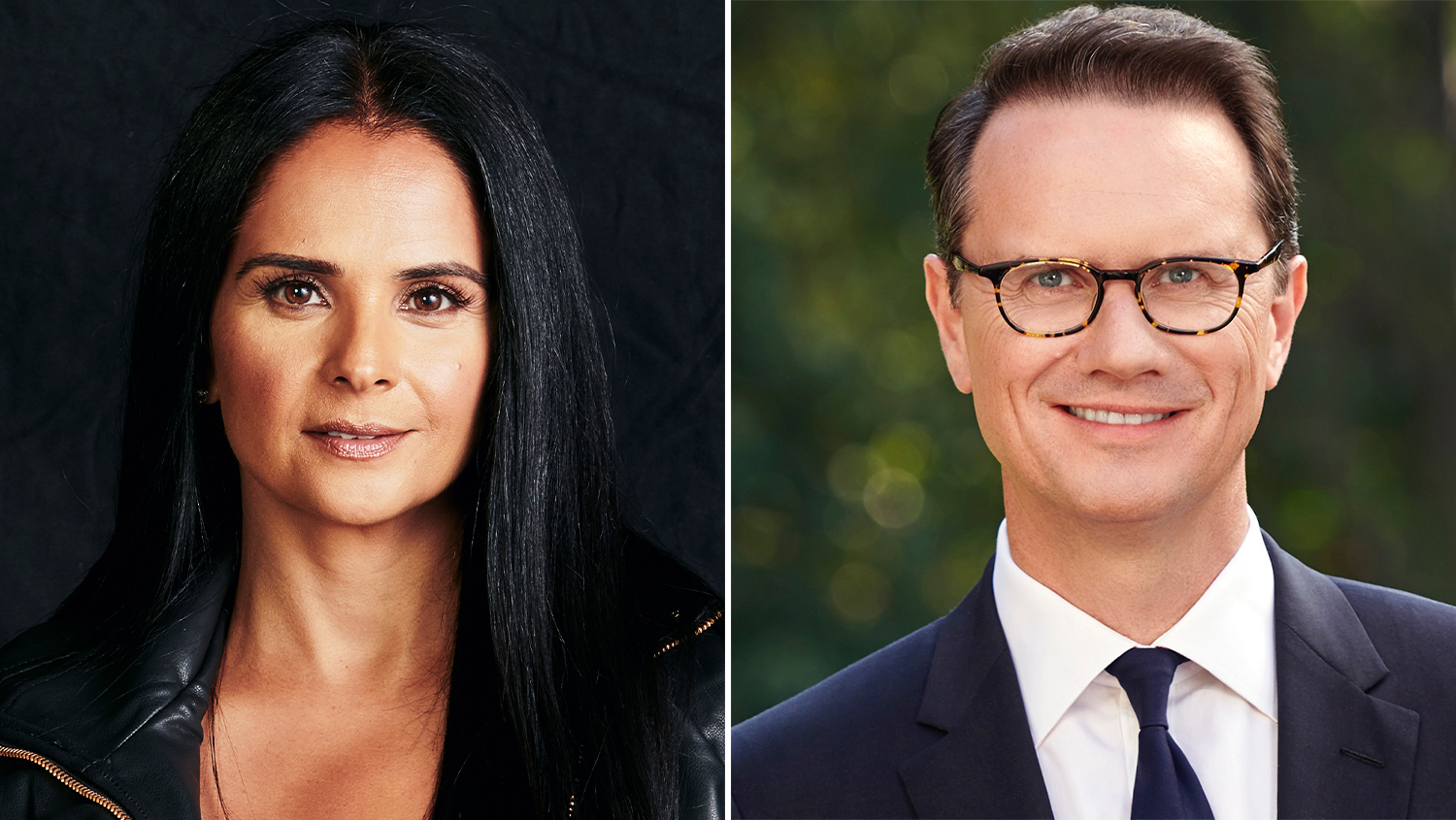
When the Netflix board flipped the switch and announced that former Disney and Fox executive Peter Rice would return as chief content officer, the ripple felt across the streaming giant’s global offices, from Los Angeles to London to Singapore. The move, officially unveiled on Thursday, came as a surprise to many who had seen the company’s recent struggles unfold on the stock market, and it left more than three thousand employees, the last wave of layoffs that had been announced in December, staring into a future that seemed oddly familiar yet strikingly uncertain. The shock came on the same day that Bela Bajaria, the 10‑year Netflix veteran who had overseen a surge of original hits and guided the company’s “Keeper Test” policy, was officially relieved of her duties. It was a sudden shift that felt like a mid‑season plot twist in a drama that had been under constant scrutiny.
Bajaria’s tenure had been marked by bold, often controversial, content decisions that turned Netflix into a cultural powerhouse. She had steered the platform through the meteoric rise of “Stranger Things,” the worldwide obsession with “Squid Game,” and the pivot to global originals that outpaced rivals. Yet the stock price had been hovering near a six‑year low, and subscriber growth had plateaued, prompting CEO Ted Sarandos to look for a new direction. Enter Peter Rice, a figure who had carved a reputation at Disney and Fox for building long‑term, revenue‑driving franchises and for a hands‑on approach to talent development. His return is seen as a strategic bet on a different kind of growth, one that leans heavily into global storytelling and cross‑platform synergies. The company’s shareholders and employees alike have begun to ask: what does Rice’s reappointment mean for the content pipeline, for the future of Netflix originals, and for the morale of a workforce that has already been hit hard by recent layoffs?
The move also underscores a broader industry trend of streaming giants grappling with the double‑edged sword of content proliferation. With budgets ballooning and audiences fragmented, executives must balance creative ambition with financial prudence. The Netflix board’s decision to replace Bajaria, a known champion of the “Keeper Test,” with a figure who has a track record of nurturing franchises from inception to multi‑season sagas signals a potential shift toward a more consolidated, perhaps more traditional, content strategy. Meanwhile, the announcement has sent a ripple through the company’s workforce, sparking speculation about whether the new leadership will tighten its grip on production, further trim the organization, or pivot to a different model entirely.
Background & Context
The roots of the upheaval can be traced back to the beginning of 2024, when Netflix’s financial statements revealed a decline in subscriber growth for the first time in several years. For a company that had once boasted double‑digit growth rates, the numbers were a stark reminder that the streaming war was becoming less about acquiring users and more about retaining them amid a crowded field of competitors. Investors reacted sharply, sending the share price to a six‑year low and sparking a debate among analysts about whether Netflix’s original‑content model could sustain itself at the scale it had promised.
Bela Bajaria had been at the helm of Netflix’s content division since 2014, and under her stewardship, the platform built an impressive slate of critically acclaimed originals, securing its status as a cultural juggernaut. She was also the face of Netflix’s “Keeper Test,” a policy that encouraged the company to invest in content that had the potential to be a long‑term asset, a practice that had paid off with hits like “The Crown” and “Bridgerton.” However, critics argued that the policy led to an overreliance on high‑budget productions and a lack of agility in responding to shifting viewer preferences.
Peter Rice’s return to Netflix is not his first foray into a major streaming role. After a decade at Disney and Fox, where he oversaw the development of blockbuster franchises such as “The Mandalorian” and “The Simpsons,” Rice had previously served as a senior vice president at Netflix from 2010 to 2016, a role that helped the company lay the groundwork for its early content strategy. His reappointment signals a desire to blend the global perspective that Netflix needs with the disciplined, franchise‑building approach he championed in the past. As Netflix navigates the post‑pandemic landscape, the company’s leadership believes that this blend will help it reassert its dominance while curbing runaway spending.
The decision to fire Bajaria, however, did not come without internal friction. While the public narrative emphasized a need for change, insiders reported that tensions had been simmering in the content department for months. Some executives expressed concerns about the pace of new projects and the alignment of content strategy with the company’s long‑term financial goals. The board’s decision to replace her with a former Disney and Fox executive reflects a broader shift toward a more conventional, franchise‑centric approach, a move that critics argue may sideline the experimental, risk‑taking culture that once set Netflix apart.
What People Are Saying
Reactions to the leadership shakeup have been swift and varied. Among the 3,000 employees affected by recent layoffs, many view Rice’s return as a double‑edged sword. Some express hope that his franchise‑driven mindset could stabilize budgets and create clearer pathways to long‑term projects, while others fear a return to the old guard’s more conservative, risk‑averse approach that could stifle the creative innovation that has been Netflix’s hallmark.
On the talent front, several high‑profile creators and writers who had previously pitched projects to Bajaria have voiced uncertainty. A few have hinted at a potential shift toward more mainstream, cross‑platform collaborations, while others worry that the new leadership’s emphasis on global marketability could dilute culturally specific storytelling. These concerns are especially poignant for international creatives who have seen their projects championed under Bajaria’s tenure, only to now face an executive who prioritizes large‑scale, revenue‑generating franchises.
Investor sentiment, too, has been a mixture of cautious optimism and skepticism. While the stock market’s reaction to the announcement was muted, reflecting a longer-term view, many analysts suggest that the change in leadership could be a positive sign for Netflix’s financial discipline. They point to Rice’s track record of turning around underperforming projects into profitable ventures, noting that a more rigorous focus on monetization could help the company counterbalance the costly “Keeper Test” strategy that had previously weighed on its bottom line.
Industry observers note that the move could signal Netflix’s pivot toward a hybrid model that marries the platform’s original‑content prowess with the blockbuster mentality that has driven Disney+ and HBO Max. They speculate that Netflix may start to green‑light projects with a clear exit strategy, possibly through cross‑platform merchandising, licensing, or early theatrical releases. Whether this approach will resonate with the platform’s diverse, global audience remains to be seen.
What Happens Next
Looking ahead, Netflix’s executive team will likely outline a strategic plan that redefines its content pipeline. The company is expected to publish a refreshed slate of projects within the next few weeks, with an emphasis on franchises that can be developed into multi‑season arcs, spin‑offs, and ancillary products. Rice’s return will probably see the establishment of a new content committee that will evaluate projects based on a more conservative, metrics‑driven approach, potentially leading to a reduction in the number of high‑budget, high‑risk original series.
The organization is also poised to reassess its talent relationships. With the new leadership in place, Netflix may renegotiate contracts with writers, producers, and directors to align compensation with projected revenue streams, a move that could impact the company’s creative freedom. While these changes aim to secure financial stability, they risk alienating creative talent if not handled carefully.
On the broader market, Netflix’s shakeup could influence competitors who have struggled to balance creative innovation with profitability. A shift toward a more franchise‑centric strategy might encourage other streaming platforms to adopt similar models, potentially leading to a new era of content strategy that prioritizes long‑term, cross‑platform revenue. Alternatively, if Netflix’s new approach fails to resonate with audiences, it could prompt a reevaluation of the balance between artistic risk and commercial viability across the industry.
For Netflix employees, the immediate next steps involve reorientation sessions and potential restructuring within the content division. The company has pledged to keep lines of communication open, announcing that a company‑wide town hall will be held next month to address employee concerns. These sessions aim to provide clarity on the new leadership’s vision, expected changes in the content approval process, and how these will impact day‑to‑day operations.
For the viewers, the next few months will be a watchful period. The platform’s upcoming releases will provide a litmus test for whether the new leadership’s strategy will resonate. Fans who have grown accustomed to Netflix’s daring, sometimes unpredictable offerings will watch closely to see if the content shifts toward more globally marketable, franchise‑based narratives, or if the platform maintains its distinctive, risk‑taking edge.
In the ever‑evolving streaming landscape, Netflix’s leadership shakeup marks a pivotal moment. Whether Peter Rice’s return will usher in a new era of disciplined growth or a return to cautious conservatism remains to be seen. What is clear is that the company’s future will hinge on how well it can balance the need for financial sustainability with the creative spark that first drew millions of viewers worldwide. The world will be watching closely as Netflix embarks on this new chapter.
The Bottom Line
MyWorldPulse.com sees Peter Rice’s return as both a strategic necessity and a cultural gamble. Netflix has long prided itself on daring storytelling, but the platform’s fortunes have slipped under a wall of expensive, high‑risk originals that rarely pay off. The board’s decision to scrap the 'Keeper Test' and favor high‑budget, franchise‑driven projects may finally bring the discipline investors demand. Yet this shift threatens the very DNA that set Netflix apart: an appetite for experimentation and risk‑taking. The new model leans heavily on cross‑platform synergies—merch, spin‑offs, theatrical releases—that have proven profitable for Disney and HBO Max. If Netflix can execute this hybrid strategy while still delivering fresh, culturally resonant content, it could reclaim its position as the industry’s leading innovator. But if the focus becomes too narrow, the company risks becoming just another franchise‑centric streamer, losing the creative edge that made its originals such a cultural force. In short, Netflix’s next chapter will be judged by how well it balances fiscal responsibility with the creative freedom its global audience craves. MyWorldPulse.com will watch closely to see if this bold move pays off.
Reference:
- Official post on Netflix's verified Twitter account
Read more celebrity news at MyWorldPulse.