The loss of Robert Kelker‑Kelly reverberates far beyond the familiar set of Days of Our Lives. The actor’s sudden death in a Missouri home at 8:16 p.m. on Saturday reminds the entertainment world that even its brightest stars can be taken by an unseen, invisible enemy. When a soap‑opera icon falls silent, the ripple touches writers, co‑stars, fans, and the entire industry’s sense of continuity.
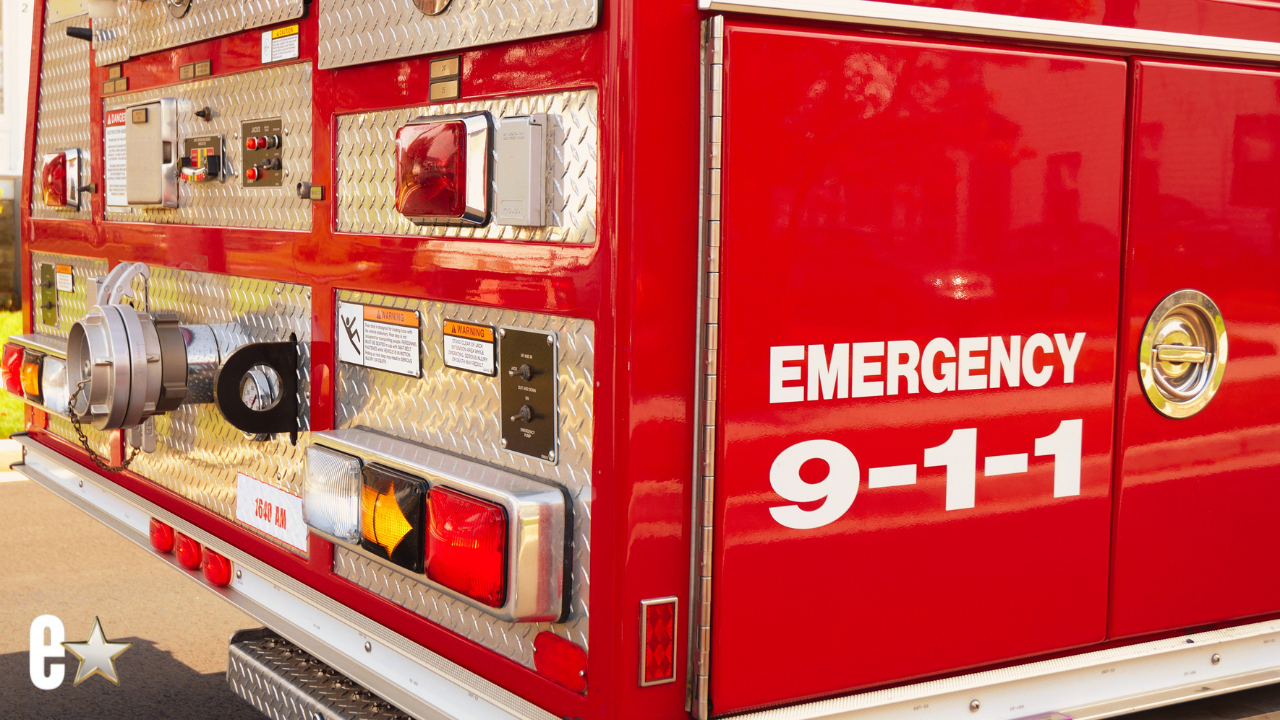
The event unfolded as a routine medical emergency turned tragedy. A 911 call described an unconscious man who was not breathing, prompting police and paramedics to arrive at Kelker‑Kelly’s residence within minutes. Emergency dispatch audio, recently released, captures the frantic urgency: responders reporting a cardiac arrest and the initiation of CPR as soon as they reached the scene. Despite their best efforts, the 62‑year‑old was pronounced deceased on scene. Authorities have ruled out foul play, and the official cause of death remains pending.
Kelker‑Kelly’s passing not only mourns a talented performer but also signals a moment of reflection on the pressures of daytime television, the importance of timely medical response, and the fragile nature of life behind the camera. As the industry contemplates this loss, the story also opens a dialogue about the health and well‑being of those who entertain the nation daily.
Background & Context
Robert Kelker‑Kelly began his career in the late 1980s, stepping into the world of soap operas with a role on Another World as Sam Fowler. That early experience laid the groundwork for what would become a defining chapter in his life: the portrayal of Bo Brady on Days of Our Lives. He assumed the part in 1992, taking over from Peter Reckell, and quickly became a central figure in the long‑running drama. During his three‑year stint, he shared the screen with beloved actors such as Kristian Alfonso’s Hope Brady and Lisa Rinna’s Billie Reed, weaving a narrative that would resonate with viewers for years.
After leaving Days of Our Lives in 1995, Kelker‑Kelly continued to make his mark on daytime television. He appeared on General Hospital, portraying Stavros Cassadine, a role that further cemented his versatility. His career also encompassed a period as a professional pilot, proof of his diverse talents beyond acting. The actor’s multifaceted life paints a portrait of a man who navigated the demanding schedules of television while pursuing other passions.
The industry remembers Kelker‑Kelly not only for his on‑screen presence but also for the energy he brought to his craft. In interviews, he reflected on the relentless pace of soap operas, admitting that he worked an average of 90 hours a week during his tenure on Days of Our Lives. He described the grueling routine of shooting one to two shows daily, which required him to memorize and deliver up to 120 pages of dialogue in a single day. These recollections provide a window into the realities that many daytime actors face, and they underscore the dedication that defined Kelker‑Kelly’s career.
What People Are Saying
The actor’s death has spurred a chorus of condolences and reflections from peers, fans, and former colleagues. Among those who have publicly expressed their sorrow are longtime co‑stars and directors who witnessed his professionalism on set. Their comments highlight his humility, commitment to the craft, and the warmth he brought to every interaction.
The unexpected nature of Kelker‑Kelly’s passing also prompted a broader discussion about health and safety within the television community. Some industry insiders point out the need for more robust health monitoring and emergency preparedness, especially for actors who endure extended hours and high‑stress environments. This conversation, sparked by the release of emergency dispatch audio, invites the industry to evaluate its protocols for medical emergencies and to consider proactive measures that could safeguard performers’ well‑being.
Fans, many of whom grew up following Days of Our Lives, have poured into social media platforms with heartfelt tributes and memories of the character he portrayed. The emotional response illustrates the deep connection between viewers and the soap‑opera universe, as well as the enduring impact of a performer who spent a significant portion of his life on the show. The outpouring also serves as a reminder of the personal bonds that form between characters and the audience, bonds that persist long after the final curtain falls.
The actor’s earlier career controversies, including accusations of a contentious working relationship with Lisa Rinna that were later discussed in her memoir, have not eclipsed the admiration he garnered for his talent. These events remain part of the public record, but the focus of current reactions lies in honoring his contributions and mourning the loss of a respected figure in daytime television.
What Happens Next
In the days following Kelker‑Kelly’s death, the St. Peters Police Department and the St. Charles County Ambulance District have confirmed that the emergency response was swift and that CPR was initiated immediately upon arrival. Despite the paramedics’ advanced life‑saving techniques, the actor could not be revived. The official cause of death remains under investigation, and the medical examiner’s report is expected to be released in the coming weeks.
Within the entertainment community, producers of Days of Our Lives and General Hospital are likely to review their protocols for handling sudden medical emergencies involving cast members. The suddenness of this incident has prompted calls for clearer guidelines and perhaps more regular health screenings for actors, especially those who have endured the physically demanding schedules typical of daytime drama.
Fans and colleagues may also be given the opportunity to honor Kelker‑Kelly through tribute events, memorial services, or dedicated episodes that celebrate his legacy. Such gestures would provide closure for those who worked closely with him and offer fans a chance to celebrate his life and career collectively.
On a broader level, the industry may take this moment to reflect on the importance of health resources, mental well‑being programs, and emergency preparedness in the high‑pressure world of television production. Whether through policy changes, increased funding for on‑set medical facilities, or new support structures for performers, the lessons drawn from this loss could influence practices that safeguard the well‑being of actors for years to come.
In the quiet aftermath, the community will remember Robert Kelker‑Kelly not only for his memorable portrayals but also for the dedication he demonstrated every day on set. His sudden departure leaves a void that will be felt across the industry, but it also serves as a catalyst for necessary conversations about safety, health, and the lasting impact of a life lived in the spotlight.
The Bottom Line
The loss of Robert Kelker‑Kelly is a painful wake‑up call for the entire television ecosystem. While his on‑screen performances will be celebrated, the circumstances of his death demand that we look beyond the drama to the people who bring it to life. Daytime soap operas operate on grueling schedules that push actors to the limits of endurance, yet the industry’s focus has largely remained on content quality, not on the health of its performers. This tragedy highlights a glaring oversight: many sets lack comprehensive medical support and regular health assessments, making even routine work potentially lethal. It’s time for studios to invest in on‑set medical teams, provide access to immediate emergency care, and institute mandatory wellness checks that consider both physical and mental health. Fans will appreciate the transparency and care that comes from an industry that values its talent as a living asset, not just a commodity. The industry’s response to Kelker‑Kelly’s passing will determine whether this loss becomes a catalyst for lasting improvement or a quiet reminder of negligence. — MyWorldPulse.com
Reference:
- Official post on the person's verified social media account
Read more celebrity news at MyWorldPulse.