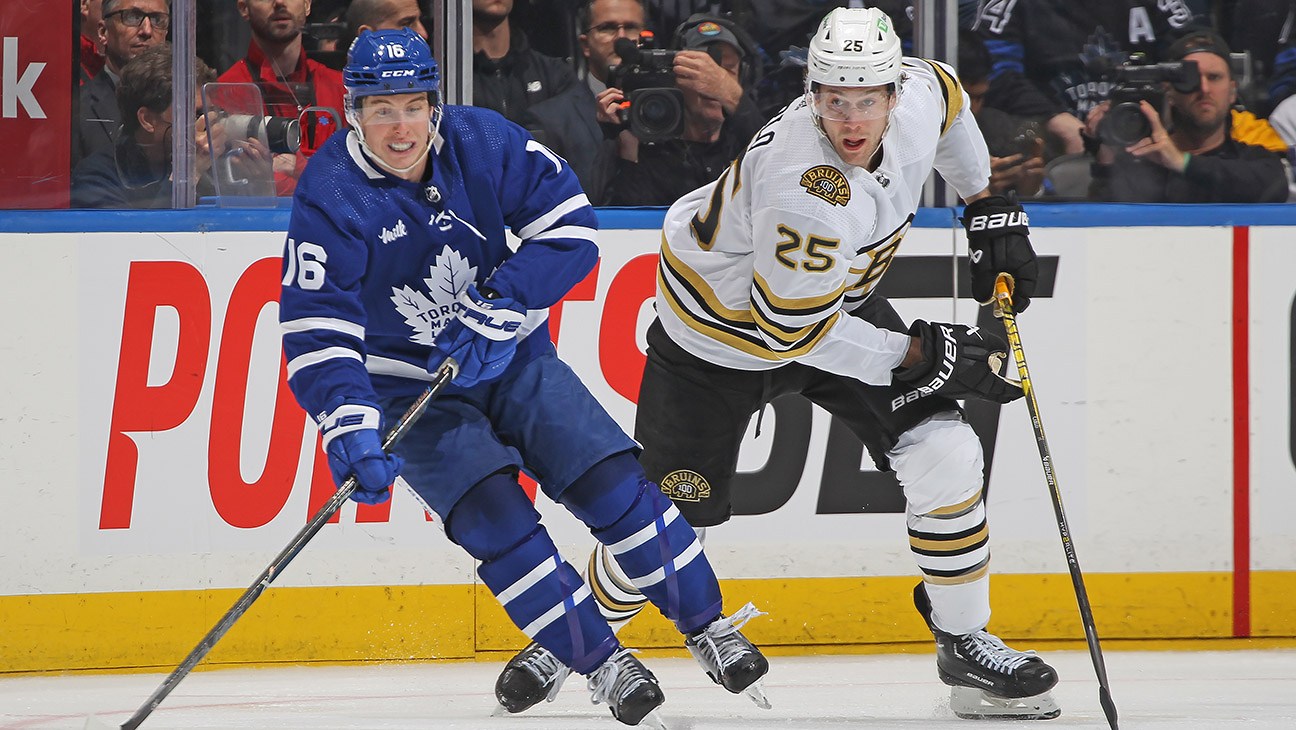
A man in his late sixties stood in the cold, the scent of freshly cut grass thick in the air, his eyes locked on the green of the rink as a puck slid into the net. For 45 years, he’d watched the Maple Leafs play, the roar of the crowd becoming the soundtrack of his childhood. That night, he felt the weight of a new chapter in the franchise’s story, one that would change how the team was owned, how fans experienced the game, and who would sit behind the camera on the next big broadcast.
Rogers Communications has taken the reins of the Toronto Maple Leafs and Toronto Raptors, snapping up the remaining 25 percent of Maple Leaf Sports & Entertainment (MLSE) it did not already own. The deal, worth CAN$4.35 billion (US$3.1 billion), brings Rogers’ ownership to 100 percent and merges the company with its newly acquired 37.5 percent stake, previously purchased for CAN$4.7 billion. MLSE’s portfolio is sprawling, spanning the NHL, NBA, MLS, CFL, the Scotiabank Arena, and a concert partnership with Live Nation. In a bold move, Rogers will launch a new Rogers Sports unit that will house MLSE and the Toronto Blue Jays, expanding its footprint across the nation’s sports landscape.
Background & Context
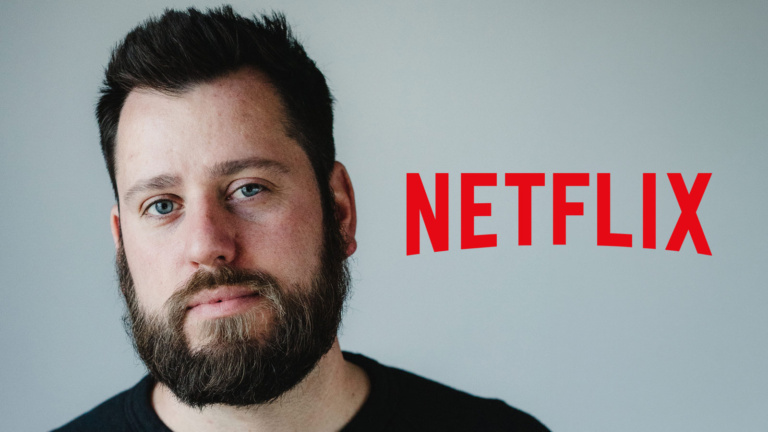
The purchase marks a full-circle moment for former Rogers Media chief Keith Pelley, who left the role in 2015 to become commissioner and CEO of the European Tour. After a brief stint at the PGA Tour, where he helped forge a joint venture with Saudi-backed LIV Golf, Pelley returned to Canada, stepping into the helm of MLSE in early 2024. His tenure with Rogers Media spanned over 30 TV networks, 40 radio stations, and iconic brands like Sportsnet and the Shopping Channel. Pelley’s most celebrated achievement remains the negotiation of a $5.2 billion, 12‑year Canadian NHL rights deal that has since been renewed, ensuring Canadian fans continued access to their beloved sport.
MLSE’s 100 percent ownership under Rogers is not merely a financial maneuver; it’s a consolidation of media and sports assets that promises to streamline operations, deepen fan engagement, and expand cross‑platform content. Rogers, a titan of Canadian cable, telco, and media, has long held a stake in MLSE. The new ownership structure will facilitate synergies between the Sportsnet channel, Rogers’ expansive radio network, and the forthcoming Rogers Sports unit that will integrate the Blue Jays’ fan experience as well. This strategy signals an intent to position Rogers as the dominant force in Canadian sports broadcasting and to leverage its reach across digital, linear, and interactive media.
What People Are Saying
The reaction from the fan community has been electric. Long‑time Leafs supporter Maria Alvarez, 57, expressed a mix of excitement and apprehension. “I’ve watched every game from my living room, every locker‑room talk. Knowing Rogers is in full control means there’s more money to put into the team, more TV spots for us to watch live. But I’m also worried about corporate interests taking over the soul of the sport.” Meanwhile, former Raptors guard Kyle Brown, now a commentator, said, “This deal could bring new resources for the Raptors, especially in youth development and international scouting. It’s a big change for us all.”
Industry analysts, too, weighed in with cautious optimism. “Rogers’ integration of MLSE with its Blue Jays unit could create a powerhouse network of sports content,” noted a senior analyst from Sports Equity Group. “However, the success will hinge on how well they balance corporate efficiency with the authenticity that fans cherish.” The announcement also reignited conversations around media consolidation and its impact on local sports culture, a debate that has intensified in recent years as more conglomerates acquire stakes in regional teams.
Keith Pelley himself shared a modest reflection during a press briefing. “I’ve always believed in the power of community and the magic of sports,” he said. “Owning the team and the media platform gives us a unique chance to tell those stories in ways we couldn’t before.” His return to Rogers Media as president, following an interim period, underscores the company’s commitment to unify its media assets and deliver more immersive experiences for audiences across the country.
What Happens Next
In the immediate term, Rogers will focus on operational integration, aligning MLSE’s corporate structure with its existing media network. The newly formed Rogers Sports unit will need to establish governance frameworks, coordinate broadcast rights, and streamline content production pipelines. With Pelley’s experience in negotiating large-scale media deals, he is poised to oversee the rollout of a unified broadcasting strategy that will encompass live game coverage, studio shows, and digital streaming services.
The Blue Jays’ integration into Rogers Sports will be a test case for cross-team synergy. Fans can expect joint marketing initiatives, shared fan zones at venues, and combined fan engagement platforms that offer exclusive content, behind‑the‑scenes access, and interactive experiences. Rogers will also revisit the NHL rights agreement to assess potential extensions or enhancements that could benefit Canadian viewers, such as expanded commentary teams or new viewing formats.
For MLSE’s sports franchises, the influx of capital will translate into potential roster upgrades, infrastructure improvements, and expanded community programs. The Raptors could see increased investment in scouting and training facilities, while the Leafs might leverage the financial muscle to address long‑standing player development and arena upgrades. Fans will watch closely for any signs of increased ticket prices or changes to the game-day experience, as the new ownership structure navigates the balance between profitability and accessibility.
In a broader context, Rogers’ full ownership of MLSE sets a precedent for other media conglomerates in Canada. The move could inspire similar consolidations, prompting a reevaluation of how sports, media, and corporate interests intersect in the modern entertainment ecosystem. As Rogers begins to roll out its integrated strategy, the company will need to maintain transparency with fans, preserving the communal spirit that defines Canadian sports culture while embracing the efficiencies and innovations that corporate ownership can bring.
The Toronto streets will once again buzz with the crack of a puck or the thud of a basketball, but now under a banner that reflects a new era of unity between sports and media. Whether the fan base will embrace this evolution remains to be seen, yet the story has already begun to write itself in the language of contracts, broadcasts, and the timeless thrill of the game.
The Bottom Line
MyWorldPulse believes that while Rogers’ takeover brings undeniable operational efficiencies and fresh capital to the Leafs and Raptors, the real test lies in preserving the community spirit that defines Canadian sports. The company’s promise of increased access to live games and digital experiences is compelling, yet the specter of corporate homogenization looms large. Fans deserve transparent communication about how the new structure will protect their long‑standing loyalties, ensuring that revenue growth does not come at the expense of the sport’s soul. The integration of media and team ownership must be managed with a clear strategy that honors local narratives, supports grassroots initiatives, and keeps the fan voice at the forefront of every decision. If Rogers can strike that balance, this deal could set a new standard for responsible consolidation in the sports entertainment industry. Until then, MyWorldPulse will keep a vigilant eye on how the merger unfolds, urging Rogers to maintain the human connection that makes hockey, basketball, and baseball more than just a game.
Reference:
- Official announcement on Rogers Media Twitter
Read more celebrity news at MyWorldPulse.