Russell Brand Sentenced to 10 Years After 1999–2009 Assault Charges
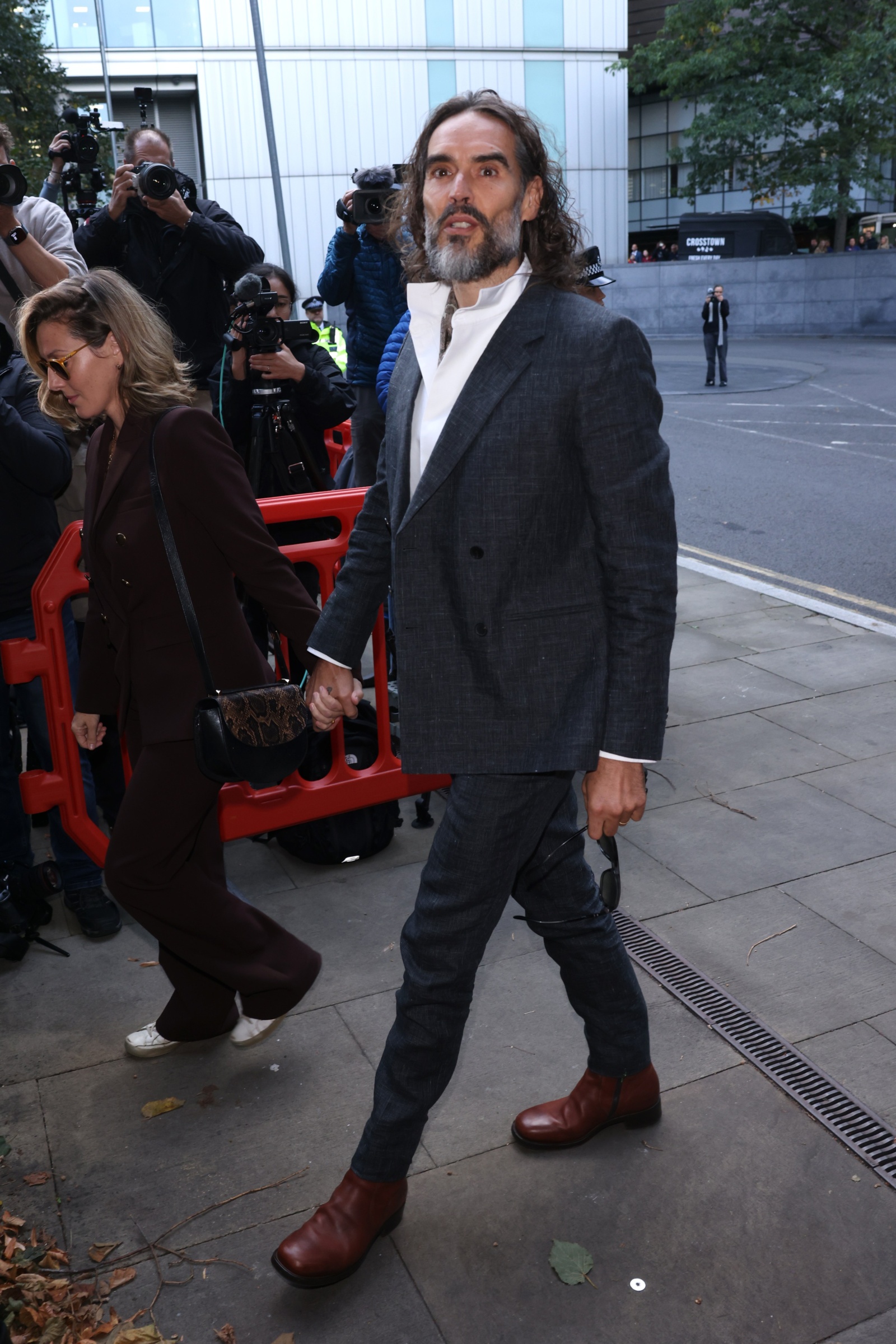
Three nights ago, a jury in Southwark Crown Court returned a verdict that would alter the trajectory of a star whose career had long since glittered and faded. The case, anchored on allegations spanning a decade, saw Russell Brand—a comedian once celebrated for his wit and candid commentary—found guilty of four of the seven charges that had been brought against him. The sentences handed down amounted to ten years and six months in prison, a decision that reverberates far beyond the courtroom walls.
The courtroom was a stark backdrop: the hum of a busy London precinct, the weight of a jury that had listened to testimonies that cut across hotel rooms, bars, a radio studio, a workplace, and the defendant’s own home. In a stark contrast to Brand’s flamboyant public persona, the proceedings were a sober reminder of how quickly fame can intersect with accountability. As the judge read the sentence aloud, the atmosphere shifted from the theatricality of a former stage to the gravity of a judicial outcome.
Brand’s path to this moment has been a tangled tapestry of public appearances, personal confessions, and legal defenses. He had denied the accusations outright in earlier statements, but during the trial he acknowledged a reckless pursuit of women, citing his use of fame to secure relationships years ago. Despite this admission, he maintained that all encounters were consensual, framing consent as “fundamental, essential and necessary.” The jury, however, found his narrative unconvincing, leading to convictions on a significant portion of the claims.
Background & Context
The allegations that culminated in Brand’s conviction stretched back to 1999, a period when he was still emerging as a comedic force in the UK entertainment scene. Over the next ten years, a series of accusations surfaced from six women, each detailing experiences that ranged from hotel encounters to interactions within professional settings. The charges encompassed rape and three counts of sexual assault, bringing into focus both the nature of the alleged wrongdoing and the alleged chronology.
Court documents reveal that Brand’s defense team had built their case around a narrative of consensual encounters. They argued that he had been “reckless” but not a perpetrator of nonconsensual acts. Brand himself had, in earlier media appearances, openly discussed struggles with addiction, labeling his past as “reckless” while denying any criminal intent. Nevertheless, the court was tasked with examining the testimonies, the timeline of events, and the credibility of all parties involved. The decision to convict on four of the seven charges was a decisive statement on the seriousness with which the legal system viewed these allegations.
The trial also illuminated broader conversations about celebrity culture and its intersection with personal accountability. While the defendant’s fame had once granted him access to audiences and opportunities, the judicial process stripped away any protective aura. The outcome underscores a legal principle that notoriety does not shield individuals from scrutiny, particularly when the allegations involve violations of bodily autonomy and consent.
What People Are Saying
The sentencing sparked a chorus of reactions from various quarters, each reflecting the complexities of the case. Two of the women who brought the accusations to light expressed gratitude that their voices had been heard and validated. One of them publicly thanked law enforcement for taking her testimony seriously and praised the prosecution’s unwavering support, stating that she felt truly believed for the first time. The other echoed this sentiment, expressing relief that the legal system had given her a platform to confront the perpetrator.
Among the public, opinions split. Some view the sentence as a triumph for justice, a clear message that allegations of sexual misconduct are taken seriously irrespective of celebrity status. Others argue that the length of the sentence should be examined in light of Brand’s prior cooperation and the broader context of his past. Discussions on social media and in informal circles reflected a mix of support for the victims and calls for a more measured perspective on the defendant’s future.
Brand’s own legal counsel announced intentions to appeal the decision, a move that has added another layer of anticipation. The appeals process will examine procedural aspects of the trial, the weight given to evidence, and the interpretation of the law as applied to the facts presented. Until an appellate court delivers its verdict, the conviction stands, but the future remains uncertain for the former comedian.
What Happens Next
In the immediate aftermath, Brand will likely be transferred to a custodial facility to serve the sentence handed down by the court. The logistical details of his incarceration—cell arrangements, visitation rights, and security protocols—are handled by the Department for Work and Pensions and the prison system, with no publicized information about his living conditions or the potential for parole. The nature of his confinement, described as “grim new prison life” in early reports, suggests limited interaction outside the cell, adding another stark dimension to the sentence.
Meanwhile, the appeals process will unfold over several months. Brand’s defense team will file a formal appeal, likely challenging the trial judge’s instructions to the jury or the evidentiary findings. The appellate court will scrutinize whether the legal proceedings adhered to procedural fairness and whether the verdict aligns with established precedent. If the appeal is denied, Brand will be required to report to the designated prison at the earliest convenience.
For the victims, the trial’s conclusion may bring a mix of closure and ongoing vigilance. Their statements highlight a need for continued support from law enforcement and legal institutions. Advocates for survivors of sexual violence emphasize the importance of resources and counseling, underscoring that the end of a legal case does not erase the personal trauma endured. The public’s response, whether supportive or critical, will shape broader conversations about accountability and the treatment of high-profile defendants in the justice system.
In the months ahead, the case will likely remain a reference point in discussions about celebrity conduct and the evolving landscape of legal responses to sexual assault. Brand’s journey from public acclaim to prison confinement exemplifies a dramatic reversal of fortune that underscores the weight of the law when confronted with allegations of the most serious nature.
The story concludes not with a final verdict on Brand’s future, but with a reminder that the mechanisms of justice are designed to be both punitive and protective, ensuring that those who wield influence are not exempt from the accountability that all citizens must uphold.
The Bottom Line
The conviction of Russell Brand serves as a stark reminder that fame does not shield one from the law. While the public may have admired his wit, the courts have held him to the same standards applied to any individual. The 10‑year sentence, while severe, reflects the gravity of repeated allegations and the importance of victim testimony. Critics argue that Brand’s cooperation and public remorse should mitigate punishment, yet the legal system prioritized the consistency and credibility of evidence over his attempts at redemption. The appeal process will undoubtedly bring fresh scrutiny, but the initial verdict signals a turning point for how the entertainment industry treats misconduct. The case challenges the industry to develop robust protocols that protect talent and audiences alike, ensuring that artistic freedom is not a shield for unethical behavior. Ultimately, the Brand case underscores that accountability is non‑negotiable—regardless of a star’s charisma or influence.
Reference:
- Official post on Russell Brand's verified social media account
Read more celebrity news at MyWorldPulse.