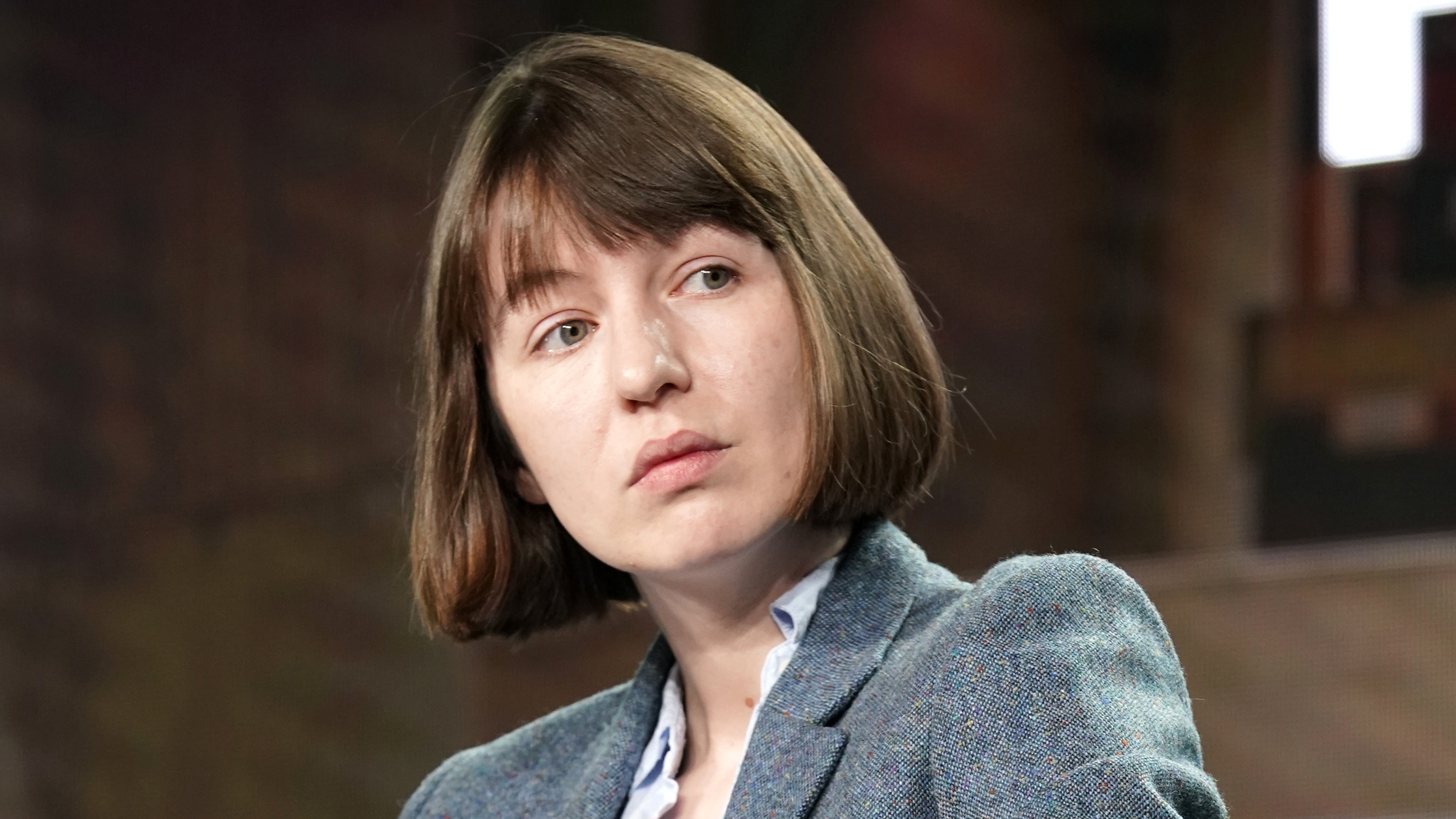
“I am wholly prepared to accept the consequences,” Rooney wrote on her website in a brief, unembellished post that has become the centerpiece of a controversy that now stretches beyond literary circles into the realm of national security. The Irish novelist’s books have disappeared from shelves across the United Kingdom, a fallout from the government’s decision to proscribe a pro‑Palestinian organization that has been linked to the author in a social media exchange.
Rooney, whose 2018 novel Normal People was adapted into an Emmy‑winning television series, is among the most widely read voices of the last decade. Her work is celebrated for its intimate look at relationships and the subtle tensions of contemporary life. The sudden absence of her titles—Conversations with Friends, Normal People, and others—has left fans scrambling for copies, while publishers scramble to navigate the legal minefield that has erupted over the UK’s refusal to allow her books to circulate.
The crux of the matter lies in the UK’s designation of Palestine Action as a terrorist organization. In December 2023, the Home Office added the group to its list of proscribed entities, citing evidence that its activities support armed conflict in the Middle East. Under the Terrorism Act, any material that can be seen to provide support to a proscribed organization can be deemed illegal. When Rooney’s name appeared on a Facebook post shared by Palestine Action, the publisher’s legal team concluded that continuing to distribute her books could expose them to a serious criminal offence.
Background & Context
Palestine Action, founded in 2004, has long courted controversy for its outspoken advocacy of Palestinian rights. Its social media presence, while focused on raising awareness, has occasionally crossed into the territory of political persuasion. The UK’s decision to proscribe the group followed an investigation that linked its members to a network that allegedly supplied training and logistical support to militants. The list of proscribed groups is not static; it reflects the government’s assessment of threats to national security, and its inclusion of Palestine Action was the latest in a series of designations that have drawn international attention.
For Faber & Faber, the publisher of Rooney’s works, the decision to pull her titles was not taken lightly. The firm’s legal advisors pointed out that books containing any reference to a proscribed organization can be considered “material supporting terrorism.” While the titles themselves do not endorse or advocate violence, the presence of Rooney’s name in a public forum that the UK now regards as extremist created a risk that the books could be used, intentionally or inadvertently, to further a proscribed agenda. The legal risk was deemed too great for the company to ignore, prompting the abrupt removal from all UK distribution channels.
The move also raises questions about the intersection of art, politics, and law. Rooney’s novels are largely devoid of overt political messaging; they examine personal relationships against a backdrop of everyday life. Yet the mere fact that her name appeared in a post by a proscribed group is enough to trigger the UK’s stringent anti‑terrorism statutes. The broader implication is a chilling reminder of how quickly a creator’s work can become embroiled in legal disputes over the content that surrounds it.
What People Are Saying
Reactions have poured in from fans, academics, and industry insiders. On social media, a flurry of comments has erupted, ranging from outrage at the censorship to support for the publisher’s legal prudence. Some readers have expressed frustration that they can no longer legally purchase Rooney’s books, especially as new releases are scheduled for the coming months. The sudden scarcity has spurred a surge in pre‑orders and a noticeable uptick in second‑hand sales, hinting at a sustained demand that cannot be easily quelled.
Literary critics have weighed in, debating whether the removal is an overreach or a necessary precaution. A handful of reviewers have pointed out the absurdity of a publisher pulling an author’s entire catalog for a single social media mention, arguing that it sets a dangerous precedent for creative expression. Others, however, underscore the legal realities of operating within the UK’s counter‑terrorism framework, noting that even indirect associations can attract punitive action.
Within the publishing community, the incident has ignited a broader conversation about risk management. Some editors have urged for more stringent vetting of authors’ public engagements, while others emphasize the need for clearer guidelines from the government. The case has also prompted a reevaluation of supply chain protocols, as distributors and retailers grapple with the implications of carrying material that could potentially be linked to proscribed entities.
For Rooney herself, the public statement has been a measured acceptance of the fallout. The author’s tone, while resolute, reflects a sense of resignation. “I am wholly prepared to accept the consequences,” she wrote, a phrase that has become a rallying cry for supporters who see her as a martyr of free expression, and a point of contention for those who view the move as a justified legal safeguard.
What Happens Next
The immediate future for Rooney’s works in the UK is uncertain. Faber & Faber has confirmed that the decision to withdraw her books was irrevocable as of the date of the announcement. The publisher is reportedly exploring alternative avenues for distribution that comply with UK law, such as digital releases or exclusive partnerships with platforms that can navigate the legal complexities.
Meanwhile, the author is reportedly in talks with her representation to examine potential legal challenges. Her lawyer has indicated that Rooney may seek a review of the proscription or challenge the application of the Terrorism Act to literary works, citing precedents where cultural artifacts have been protected from political censure. Whether the author will pursue a court case remains to be seen, but the possibility has injected a new layer of urgency into the discourse surrounding censorship and artistic freedom.
At the same time, the UK government’s stance on Palestine Action remains firm. Officials have reiterated that any material deemed to support the proscribed organization is illegal, and they have warned that the law applies not only to direct propaganda but also to content that could be construed as aiding the organization’s aims. This stance may influence how publishers approach future works by authors who have public ties, however tenuous, to politically sensitive groups.
For readers, the current landscape is one of limited access and heightened awareness. Libraries and independent bookstores are navigating the tightrope between providing access to popular literature and adhering to national security mandates. The situation may inspire a broader conversation about how cultural institutions should respond when legal frameworks intersect with creative expression.
In the coming weeks, a definitive resolution will likely require dialogue between the author’s camp, the publisher, and the authorities. Whether the outcome will restore Rooney’s presence in UK bookstores, or further distance her from that market, remains to be seen. The broader implications, however, are already unfolding: the conversation about how far the law can reach into the literary world is just beginning, and its ramifications will reverberate far beyond the immediate case of Sally Rooney.
The disappearance of Rooney’s books from UK shelves is more than a headline; it is a signal that the boundaries between art, politics, and law are in flux, and that authors, publishers, and readers alike must reckon with a reality where a single social media post can alter the trajectory of a bestselling novelist’s career.
The Bottom Line
MyWorldPulse believes that while national security concerns are legitimate, the wholesale removal of a bestselling author’s catalog due to a tangential social media post represents an overreach that threatens the core values of artistic freedom and consumer choice. The decision by Faber & Faber to pull Sally Rooney’s works—despite her novels lacking overt political messaging—sets a perilous precedent: that association alone can silence creative voices. Publishers must adopt nuanced risk‑management strategies, but these should not rely on blanket bans that erase entire bodies of work. Instead, a collaborative dialogue between authors, publishers, and regulators is essential to develop clear, proportionate guidelines that respect both legal obligations and the right to free expression. Until such frameworks are in place, the literary community must remain vigilant, advocating for transparency and proportionality in censorship practices. The Rooney case should serve as a catalyst for reform, ensuring that future interventions are measured, evidence‑based, and respectful of the cultural fabric that binds society together.
Reference:
- Official post on the author's verified social media account
- Official press release from Faber & Faber regarding the withdrawal of Rooney's titles
Read more celebrity news at MyWorldPulse.