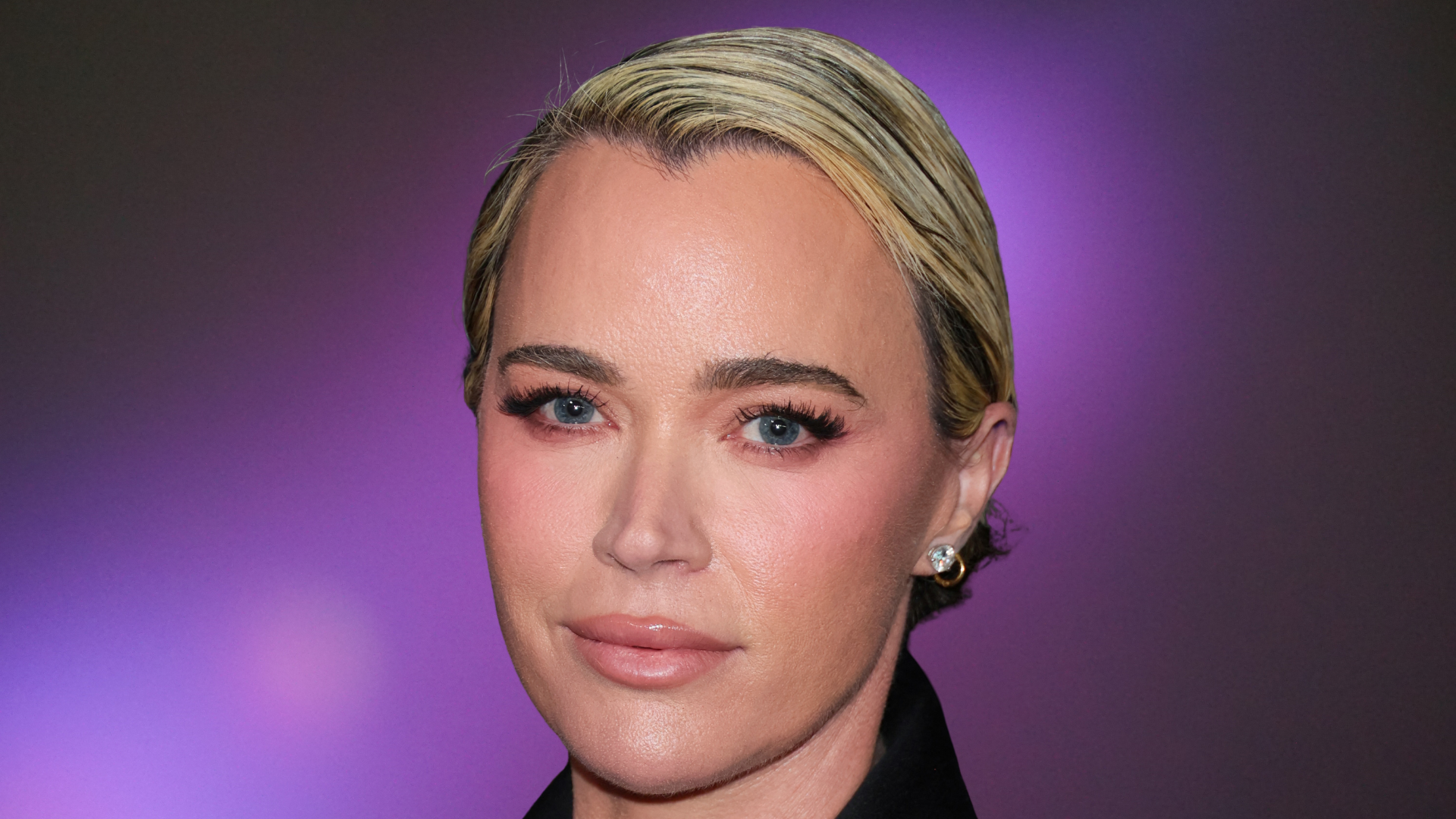
Teddi Mellencamp, the former “Real Housewives of Beverly Hills” star who turned her life into a battle against melanoma, opened her Instagram Stories on Monday, October 26 with a confession that struck a chord across the internet: after two brain surgeries, the 45‑year‑old can no longer write. “I don’t want to keep being sorry for myself,” she said, her voice steady as she lifted a treadmill after a year‑long hiatus, a quiet testament to resilience in the face of new, unexpected obstacles.
Her story is far from a singular event. It began in March 2022 when a suspicious mole on her back was removed at the insistence of a friend and castmate, Kyle Richards. By October that year, the removed lesion had been confirmed as stage 2 melanoma, and a cascade of additional skin cancers followed, totaling 11 melanomas and three lymph nodes by the end of 2024. In February 2025, the cancer had taken a darker turn: several brain tumors were discovered, leading to two major brain surgeries that have left her with lingering cognitive deficits, including an inability to write.
In October 2025, after a decade of relentless treatment, Mellencamp shared hopeful news: “It’s been 10 months since my brain surgery and I am so grateful to @johnmellencamp for continuously being there for me and my family the entire time. Although apparently now that I’m no evidence of disease I can take photos without myself in it so I guess we’re all healing.” But the victory is bittersweet, and her Instagram reveals the everyday toll—38 pounds of weight gain, visual impairments, and the frustration of not remembering her own username or password. Yet, she refuses to let these setbacks dictate her future. “Progress over perfection,” she wrote, as she jogged a first time in over two years.
Background & Context
The journey that has brought Mellencamp to this point is rooted in a relentless fight against an aggressive form of skin cancer. Melanoma, known for its high propensity to metastasize, struck her back in early 2022, prompting a cascade of surgeries. Over the next few years, her medical team removed 16 melanomas and three lymph nodes from her back. However, the disease’s tendency to spread to the central nervous system manifested in February 2025, when imaging revealed multiple brain tumors.
The brain surgeries that followed were a double‑edged sword. While they removed life‑threatening lesions and allowed Mellencamp to be declared “no evidence of disease,” the procedures also resulted in neurological deficits. She now experiences cognitive challenges: she can no longer write, struggles with numbers, and reports visual disturbances. The physical side is equally taxing. Her body has responded to prolonged chemotherapy and immunotherapy—treatments that have left her on steroids and on a monthly schedule of immunotherapy infusions.
Against this backdrop, Mellencamp’s public persona has evolved. From a reality television star in Beverly Hills to a survivor of a stage‑4 cancer diagnosis, she has used her platform to share both triumphs and tribulations. Her Instagram story on October 26, where she detailed her first treadmill workout in over a year and her emotional reaction to the supportive messages she received, marked a pivotal moment in her ongoing narrative of openness and vulnerability.
What People Are Saying
The outpouring of support for Mellencamp underscores the power of authenticity in the digital age. In the same Instagram story where she confessed she can no longer write, she was flooded with encouraging messages from fans, former castmates, and fellow survivors. In tears, she thanked her clients for their kind words, stating, “I’m happy I have time. Let’s hope I can get past day one guys!” The comments section became a tapestry of empathy and resilience, with many pointing to her courage as an inspiration for anyone facing a health crisis.
Reactions from the entertainment community were equally heartfelt. Former “RHOBH” co‑star Kyle Richards posted a supportive message, recalling their initial meeting over a suspicious mole and emphasizing the importance of early detection. On Twitter, a prominent health advocate praised Mellencamp’s candidness, noting how her openness can reduce stigma for those who struggle with invisible disabilities resulting from cancer treatment.
While many praised her perseverance, a few speculated about the long‑term implications of her cognitive decline. Some concerned commenters asked if Mellencamp would ever regain her writing ability or if her career might shift toward roles that do not require script writing. Others pointed out that her experience with the brain—where memory and executive function are key—might affect her daily life far beyond the public eye, touching her family life, the management of her business ventures, and her role as a mother of three.
What Happens Next
As Mellencamp navigates this new reality, the next steps are multifaceted. Medically, she will continue with her monthly immunotherapy sessions while monitoring her neurological status through regular neuropsychological assessments. Her treatment plan now includes physical rehabilitation to address the new deficits, as well as cognitive therapy to help her adapt to her writing challenges. Early on, a speech‑language pathologist may help her find alternative ways to communicate her thoughts, while an occupational therapist could aid her in navigating daily tasks that require fine motor skills.
In terms of public life, Mellencamp is already strategizing how to maintain her brand without writing. She hinted at collaborating with writers and co‑authors for future projects, whether a memoir or a health‑advocacy book that can capture her journey in a new format. The actress’s openness about her inability to write could serve as a platform for raising awareness about the hidden costs of cancer treatment, especially those that affect cognition.
Socially, she has expressed a desire to stay connected with her fans, emphasizing that the “progress over perfection” mindset remains her guiding principle. She will likely continue to share workouts and personal updates on Instagram, allowing her community to witness her day‑to‑day resilience. This transparency may inspire many to recognize that health setbacks do not have to end one’s story; they simply rewrite it.
In the coming months, Mellencamp will probably participate in charity events and speak at medical conferences, leveraging her experience to educate others about early melanoma detection and the importance of mental health care during cancer treatment. The medical community might also view her case as a study in the long‑term effects of brain surgery on young adults, potentially influencing future therapeutic protocols.
Closing
Teddi Mellencamp’s candid admission that she can no longer write is more than a personal setback; it is a powerful reminder of the invisible wounds that accompany life‑saving treatments. Through her vulnerability, she has ignited a dialogue that transcends the entertainment sphere, bringing attention to the nuanced challenges of cancer survivors worldwide. As she pushes forward—one treadmill stride at a time—she exemplifies the relentless spirit of a survivor, redefining what it means to triumph over adversity.
The Bottom Line
The MyWorldPulse view is that Teddi Mellencamp’s openness about losing her writing ability is not just a personal setback—it is a call to action for entertainment and health sectors alike. Celebrities often become living brands; when they face real medical challenges, the industry must respond with empathy, not just promotional hype. Mellencamp’s transition from scripted roles to co‑authored memoirs shows that talent can evolve; narratives of struggle add depth and relatability that audiences crave. Moreover, her public platform can bridge the gap between medical science and everyday life, spotlighting the invisible burdens of cancer survivors. It is incumbent on industry stakeholders—casting directors, producers, marketers—to develop inclusive pathways that accommodate health‑related limitations. By acknowledging and supporting these challenges, the entertainment world can set a precedent for a more compassionate, diversified media landscape. Our editorial stance is clear: authenticity, when paired with genuine support, can redefine success and inspire millions beyond the screen.
Reference:
- Official post on the person's verified social media account
Read more celebrity news at MyWorldPulse.