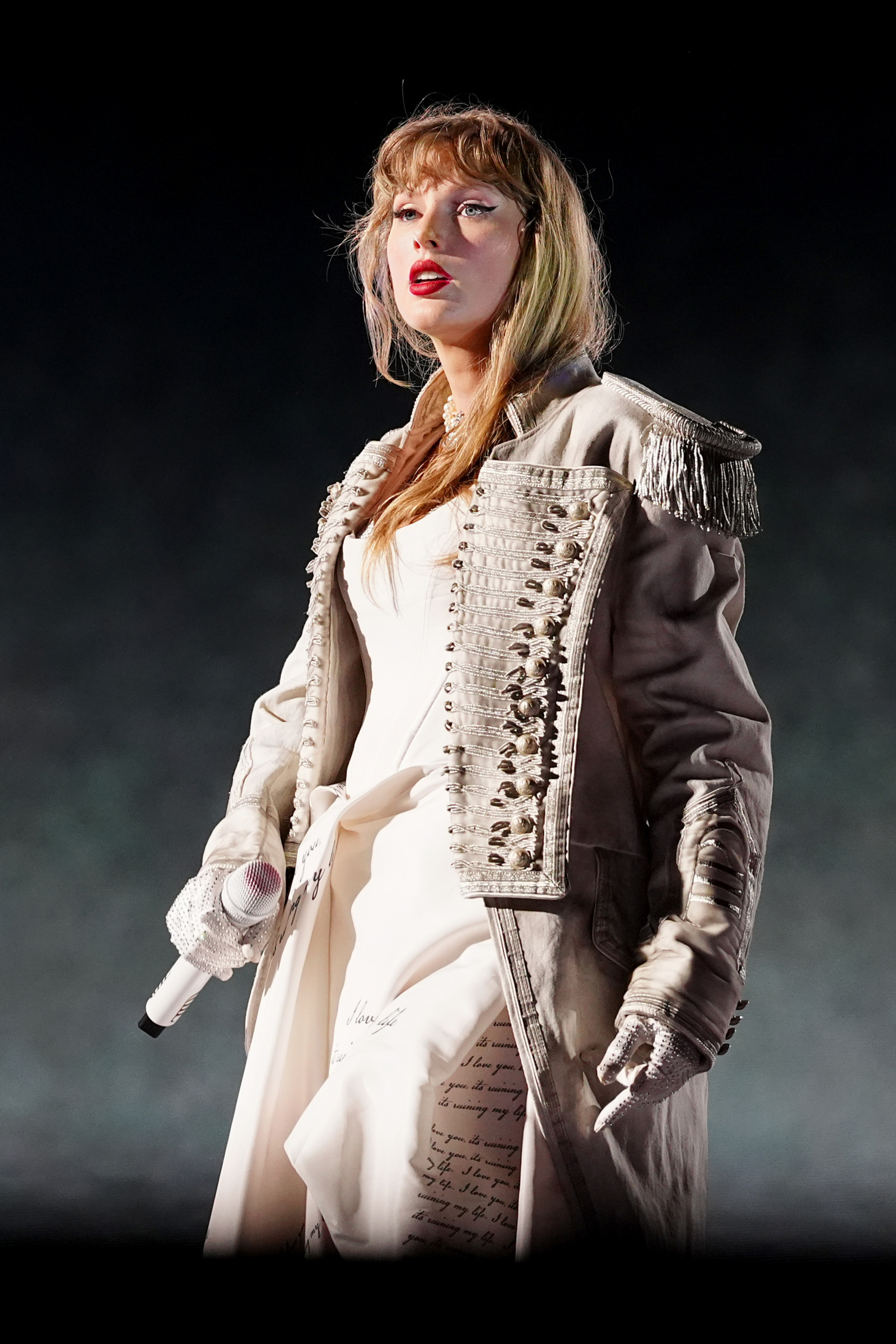
When Anna Wintour’s front‑page reaction to a Vanity Fair article on Taylor Swift exploded on the newsroom floor, it sent ripples through every tier of the magazine empire, reminding industry veterans that a single misstep can ignite a full‑scale editorial crisis.
At 2 a.m., the headline‑heavy piece, titled simply “Taylor Swift,” hit the press wall of Condé Nast’s headquarters in New York. It was supposed to be a quick profile—an overview of the pop icon’s latest tour and its cultural ripple. Instead, the piece read like a scathing critique, painting Swift’s artistry as derivative and her business tactics as opportunistic. Inside the bustling newsroom, Wintour—known for her razor‑sharp eye for fashion and content—faced the fact that a top‑tier publication had slipped an unsanctioned, unreviewed article into the world without her nod.
The fallout was immediate. The senior editor who had approved the piece was escorted to a conference room, while the copy editor’s screen flickered as she tried to find a way to retract the piece. A frantic call to Wintour’s office revealed that the article had gone live without her final review, a breach that she openly denounced with a terse email: “I have never, ever read that piece.” In the weeks that followed, her office was flooded with calls, from rival editors asking about the timing, to reporters wanting a line that would clarify her stance. The entire Condé Nast brand, already known for its tight editorial pipeline, found itself scrambling to reassure advertisers and readers that quality standards remained uncompromised.
Background & Context
For 24 years, Wintour has overseen the curation of style, culture, and the occasional celebrity profile in the pages of a flagship magazine. Her brand of editorial discipline is legendary—every headline, photo, and paragraph is weighed and double‑checked before it leaves the desk. The incident began when an intern, still learning the ropes, mistakenly sent a draft to the distribution list, bypassing the usual approval chain. The article’s author, a freelance journalist with a penchant for sharp commentary, had woven a narrative that challenged Swift’s creative integrity, an angle that would have been thoroughly vetted under normal circumstances.
The misstep underscores a broader tension within the publishing world: the race to break stories faster than the competition versus the necessity of editorial oversight. As digital platforms push for instantaneous content, the pressure on traditional print houses to keep up can create vulnerabilities. Condé Nast has historically been a bastion of meticulous editing, but the swift pace of contemporary media means that even a small procedural lapse can result in public fallout.
Moreover, the article’s focus on Taylor Swift—a global superstar with a dedicated fanbase—meant that the stakes were high. Swift’s brand is built on authenticity, and any negative portrayal risks alienating millions of readers. That a mainstream fashion and culture publication would present a potentially slanted narrative without the author’s or editor’s consent amplified the situation, turning a routine editorial error into a headline event.
What People Are Saying
Industry insiders are split between those who view the incident as a cautionary tale and those who see it as an example of a publishing house caught in the web of modern media. Within Condé Nast’s own walls, several senior editors have admitted that the culture of speed has eroded some of the company’s traditional safeguards. One veteran, who preferred to remain anonymous, recounted, “We’ve been pushing back hard on time‑to‑publish targets, but that pressure can bleed into the quality control process.”
External voices have also chimed in. A well‑known media watchdog noted that “this isn’t the first time an internal policy lapse has led to a misrepresented piece. The industry must revisit the balance between rapid dissemination and editorial integrity.” Meanwhile, a former colleague of Wintour, who has served as a senior editor for several other high‑profile publications, offered a more sympathetic view: “She’s always been meticulous, but even the best systems can fail if someone cuts corners, intentionally or otherwise.”
On social media, the narrative is even more polarized. Some fans of Swift expressed anger over what they perceived as a “malicious smear,” demanding apologies from the publication. Others defended the journalist’s right to critique a public figure, calling the incident an example of “censorship by a gatekeeper.” The hashtag #WintourSaysSorry trended for a week, while #SwiftVsVanityFair dominated discussions about the fairness of the review.
Notably, the broader editorial community has begun to take note. A group of editors from various magazines released a statement advocating for stricter checks before any article reaches the distribution channel. They cited the incident as a “wake‑up call” for the industry, urging for a return to robust editorial governance without compromising the rapid pace demanded by the digital age.
What Happens Next
Condé Nast has already begun a comprehensive review of its editorial workflow. The company announced an internal task force that will evaluate the existing approval chain, specifically focusing on the roles of interns and freelance writers. An interim policy states that all articles containing potentially defamatory content must undergo a secondary review before publication. Wintour’s office, meanwhile, is reportedly drafting a firm apology to Swift, while the magazine has pledged to issue a correction to the article in its next print run and a digital supplement clarifying the original intent.
In the long term, Condé Nast appears poised to embrace a hybrid model that balances speed with integrity. A senior editor hinted at the possibility of implementing an automated flagging system that would alert senior staff if certain risk thresholds—such as negative coverage of a public figure—were crossed. This technology-driven approach may help prevent future lapses, while still allowing seasoned editors to maintain the final say.
For the industry at large, the fallout has sparked renewed discussions about the ethics of celebrity journalism. Publications are reexamining the guidelines governing how artists are portrayed, especially when they represent powerful cultural forces. It may also prompt other media houses to scrutinize their own workflows and consider whether the race to publish has outpaced their capacity to ensure quality.
Wintour herself has not taken to the press to comment further, but her email—“I have never, ever read that piece”—has become a shorthand for editorial failure in a newsroom that prides itself on precision. While the immediate damage has been addressed with apologies and procedural changes, the long‑term impact will be measured by how Condé Nast and its peers adjust their processes to prevent a repeat incident.
As the dust settles, one thing remains clear: even the most revered editors are not immune to the pitfalls of a fast‑moving media landscape. The industry’s next steps will shape how stories about pop icons like Taylor Swift are crafted, reviewed, and ultimately shared with the world.
The Bottom Line
At MyWorldPulse, we see the Wintour‑Swift saga as a stark reminder that editorial excellence must never be eclipsed by the race to publish. The fallout highlighted how quickly a single lapse can damage a brand’s reputation, and how crucial it is for newsrooms to embed fail‑safe checks that balance speed with thoroughness. Condé Nast’s decision to introduce secondary reviews for potentially defamatory content is a step in the right direction, but it also signals the need for a cultural shift—one that prioritizes accountability over immediacy. Readers deserve journalism that is both timely and trustworthy; any compromise on the latter undermines the very purpose of a reputable outlet. In an age of viral misinformation, publishers must adopt transparent, multi‑layered editorial practices that keep human judgment at the core. We urge media houses to invest in rigorous editorial governance, clear accountability lines, and technologies that augment—not replace—editorial oversight. Only then can the industry restore confidence and continue delivering stories that inform, inspire, and endure.
Reference:
- Anna Wintour’s verified tweet announcing she had never read the article
- Condé Nast’s official LinkedIn post announcing the new editorial review policy
Read more celebrity news at MyWorldPulse.