Ariel Baska walked onto the virtual stage of the Horror Film Festival with a silent, steady rhythm—no front door needed, just a voice that carried through a headset, a vision that flowed from a world that no longer demanded sight or sound. Their 15‑year teaching career ended abruptly when a closed door turned to a closed mind, forcing a pivot that now turns a long‑standing passion for language into a lens that reframes horror. The festival’s name, “Centering Ableism as the Horror Rather Than Disability,” was chosen to mirror Baska’s own experience: the true monsters have always been the barriers that keep people out, not the people themselves.
From the beginning of their career in Spanish classrooms to the latest film‑making workshops, Baska’s journey has been one of resilience and reinvention. They describe the industry’s “guardrails” as invisible walls that pop up when a blind person with hearing loss tries to step into a camera’s focus. “All the doors were closed to me because I could not literally walk in the front door,” they say, and that moment of silence became the call to action that sparked a festival dedicated to exposing those very walls. The program includes short horror pieces that challenge the conventional narrative—highlighting how disability, when framed as a character trait, can be weaponized in storytelling, whereas when the lens is shifted, the true horror lies in the exclusion itself.
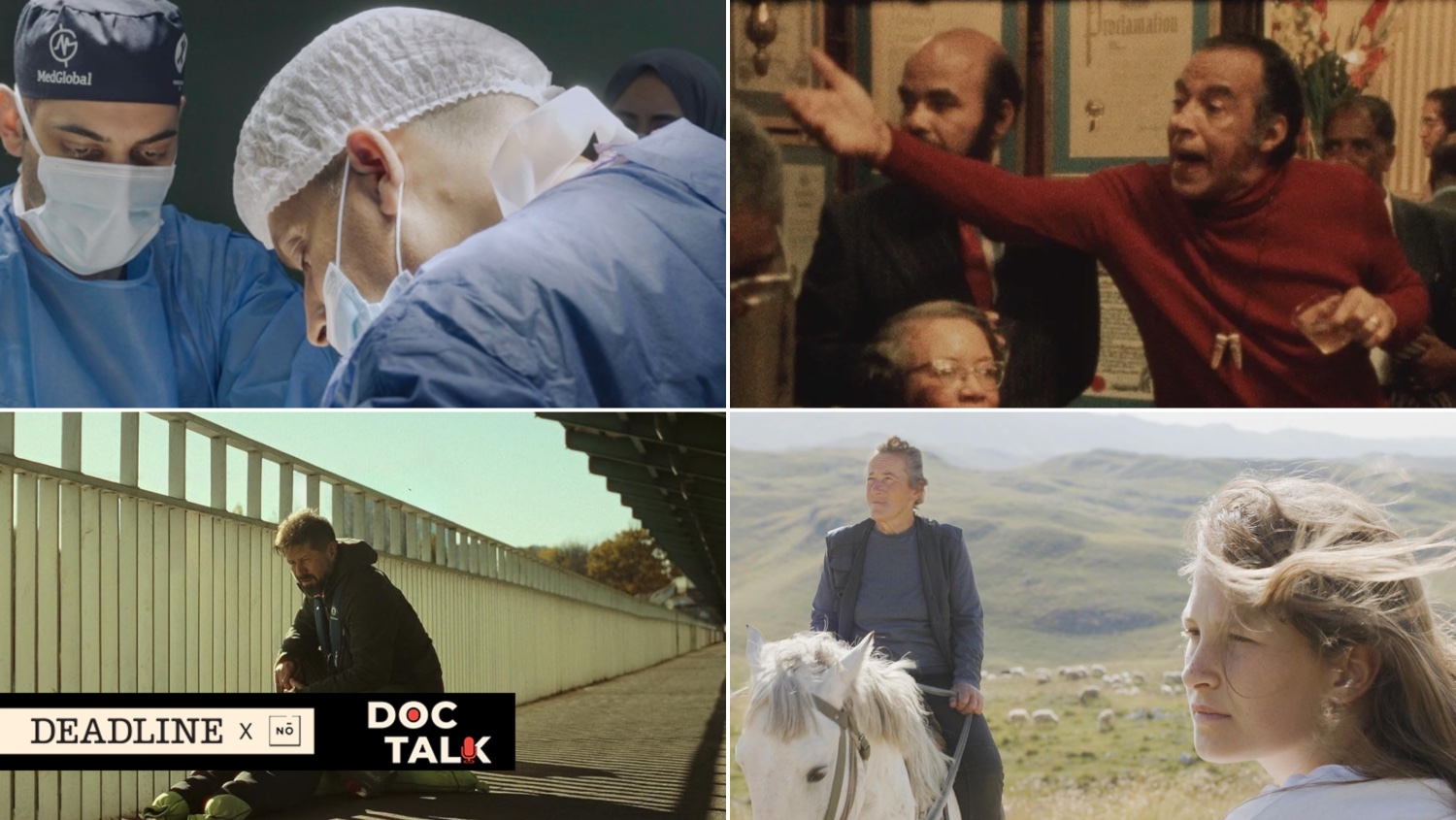
While the festival is an intimate, digital gathering, it is part of a larger conversation happening on the cinematic stage. Over the weekend, a popular documentary podcast—broadcast live from the Hot Springs Film Festival—featured four film‑makers whose projects have already caught the eye of the Academy. “American Doctor,” “To Hold a Mountain,” “Closure,” and “Once Upon a Time in Harlem” each promise to add depth to the upcoming Oscar nominations, and their makers—each with a distinct voice and a shared vision for social impact—saw the festival as an opportunity to broaden their audiences. As the conversation unfolded, the lines between horror, documentary, and activist film blurred, illustrating how genre and truth can coexist in powerful ways.
The excitement did not stop there. In a surprise announcement that rippled through the industry, FX confirmed that its long‑running anthology, “American Horror Story,” will return for a 14th season. Fans celebrated the news on social media, and the network declared the 14th season will cross the 150‑episode threshold, a milestone that no other hour‑long series in the U.S. has yet achieved. While the plot of the next season remains under wraps, the renewal alone signals a new chapter for the show’s creator, Ryan Murphy, who has hinted at the possibility of international storytelling in future installments. The announcement arrives just days before the season 13 finale, adding a layer of anticipation for viewers eager to see how the story arcs will culminate before the series embarks on its next bold move.
Background & Context
The horror film festival that brought Ariel Baska to the limelight is a product of a growing movement to bring marginalized voices to the forefront of genre cinema. Founded in 2023 by a coalition of filmmakers and disability advocates, the festival has already hosted over 30 short films in its first two years, each exploring horror through lenses rarely represented in mainstream media. Baska, whose full name reflects their commitment to gender neutrality, has become the festival’s unofficial face, offering workshops that teach how to incorporate inclusive practices into production pipelines. Their transition from a 15‑year tenure as a Latin teacher to a filmmaker underscores a broader shift: industry gatekeepers are being forced to reconsider the rigid, often unspoken criteria that have historically excluded people with disabilities.
Meanwhile, the documentary podcast that aired live from the Hot Springs Film Festival serves as a barometer for the Oscars’ documentary field. The four highlighted films—“American Doctor,” a harrowing look at the U.S. medical system; “To Hold a Mountain,” a portrait of environmental activism; “Closure,” a personal narrative about grief; and “Once Upon a Time in Harlem,” a cultural exploration—each tackle heavy themes with a cinematic grace that has resonated with critics and audiences alike. The podcast, hosted by a seasoned journalist, provided an intimate platform where filmmakers discuss their creative choices and the social implications of their narratives. Its live format added immediacy to the conversation, allowing listeners to feel the pulse of the festival and the weight of the awards season that looms just ahead.
At the same time, “American Horror Story” has carved out an unprecedented place in television history. With 13 seasons and more than 150 episodes, the anthology series has built a loyal fan base and set the bar for creative storytelling on cable. Its renewal for a 14th season signals not only the network’s confidence but also a recognition of the show’s unique ability to adapt to contemporary cultural conversations. Ryan Murphy’s ambition to potentially internationalize the series adds an intriguing layer, hinting at the possibility of future seasons set in diverse global locales. All three stories—Baska’s festival, the documentary podcast, and the network’s announcement—converge on a central theme: the evolving nature of storytelling in an era where inclusion, authenticity, and fresh perspectives are no longer optional but essential.
What People Are Saying
The online community that gathered for the festival erupted in applause as Baska walked into the virtual arena, their presence a stark reminder that horror’s most unsettling elements are often rooted in everyday realities. Social media posts tagged #AbleismInHorror swelled as audiences shared clips of Baska’s workshop, where they demystified accessible filmmaking techniques. “It’s about rewiring the horror machine,” one viewer commented, echoing the festival’s mission to flip the script on how disability is portrayed. The buzz continued as the festival’s panelists unpacked the term “centered ableism,” sparking a broader conversation that reached beyond the event and into mainstream discourse.
On the other hand, the documentary podcast drew a different kind of chatter. The four Oscar‑contending films were praised for their nuanced storytelling, and viewers engaged in spirited debate over which film best captured the zeitgeist. Critics noted that the inclusion of “American Doctor” and “Closure” brought a raw, visceral edge that set them apart from other documentary candidates. One podcast listener wrote, “The way these filmmakers weave personal narrative with larger societal themes feels like the future of documentary filmmaking.” This engagement is reflected in the podcast’s streaming numbers, which surpassed 200,000 listeners during its live run—an impressive feat for a niche genre.
The news of “American Horror Story” returning for a 14th season triggered a wave of excitement and speculation across fan forums. Discussions ranged from potential cast returns to the possibility of exploring new international settings. A viral tweet suggested that the series might finally cast a leading role for a prominent musician, drawing a parallel to the show’s history of surprise casting choices. Fans of the series also reflected on the significance of the 150‑episode milestone, with many posting nostalgic clips from past seasons and expressing anticipation for how the new season will continue to push boundaries. The buzz was amplified by the network’s official social media accounts, which posted a short teaser confirming the renewal and teasing “more horror, more stories, and more surprises.”
What Happens Next
The future of the horror film festival looks set to grow in both scale and influence. Organizers are already in talks with streaming platforms to secure broader distribution for the short films showcased, aiming to bring the festival’s mission to a global audience. Baska has announced plans to develop a feature‑length documentary chronicling the journey of the festival’s founders and participants, a project that could cement the festival’s legacy and further bring the conversation about inclusive horror into the mainstream.
For the documentary podcast, the four highlighted films are expected to appear on the Oscar shortlists by the end of the month. Filmmakers have scheduled Q&A sessions, panel discussions, and virtual screenings to build momentum leading up to the awards. Industry insiders suggest that the conversations sparked at Hot Springs could serve as a template for future festivals, where live, interactive formats allow audiences to engage with creators in real time.
As for “American Horror Story,” the 14th season’s premiere is slated for early 2027, giving writers and producers ample time to design an ambitious narrative that can honor the anthology’s legacy while venturing into uncharted territory. Rumors about an international setting have gained traction, with speculation that the new season may feature locations in Europe or Asia, potentially opening a new chapter in the franchise’s exploration of horror across cultures. The show’s production team is reportedly in the process of scouting locations and securing visas, and the network has hinted at possible collaborations with international talent. Fans will likely stay glued to the network’s announcements, eager to see how the show’s future will continue to push the boundaries of genre storytelling.
The convergence of these three stories—Baska’s bold redefinition of horror, the rise of socially conscious documentaries, and a long‑running series taking a new direction—illustrates a media landscape in flux. Inclusion, authenticity, and creative audacity are no longer peripheral; they are the engines propelling the next wave of storytelling, promising a future where every voice can shape the narrative, and every story can find its audience.
The Bottom Line
At MyWorldPulse, we see Ariel Baska’s initiative as a watershed moment for entertainment journalism. The horror genre has long been celebrated for its ability to push boundaries, but it has also perpetuated harmful stereotypes that marginalize disabled voices. By centering ableism in the narrative, Baska flips the script—making the invisible walls of the industry visible and demanding accountability. This is not merely a niche event; it’s a clarion call for studios, distributors, and creators to reevaluate their hiring practices, set design, and storytelling tropes. The ripple effect is already palpable: industry insiders are discussing the integration of accessibility tools into production pipelines, while audience engagement on social media—#AbleismInHorror—shows that viewers crave authenticity. The upcoming 14th season of American Horror Story, with its rumored international setting, offers an opportunity for the series to incorporate diverse perspectives beyond the usual tropes. For us, the takeaway is clear: inclusive storytelling isn’t optional—it’s the new norm. We applaud Baska, the festival organizers, and the filmmakers who embraced this vision. The entertainment world is listening, and the next wave of horror—and all other genres—must be built on a foundation that welcomes everyone. MyWorldPulse will continue to spotlight these transformative moments that redefine the industry for the better.
Reference:
- Official post on Ariel Baska’s verified social media account
Read more celebrity news at MyWorldPulse.