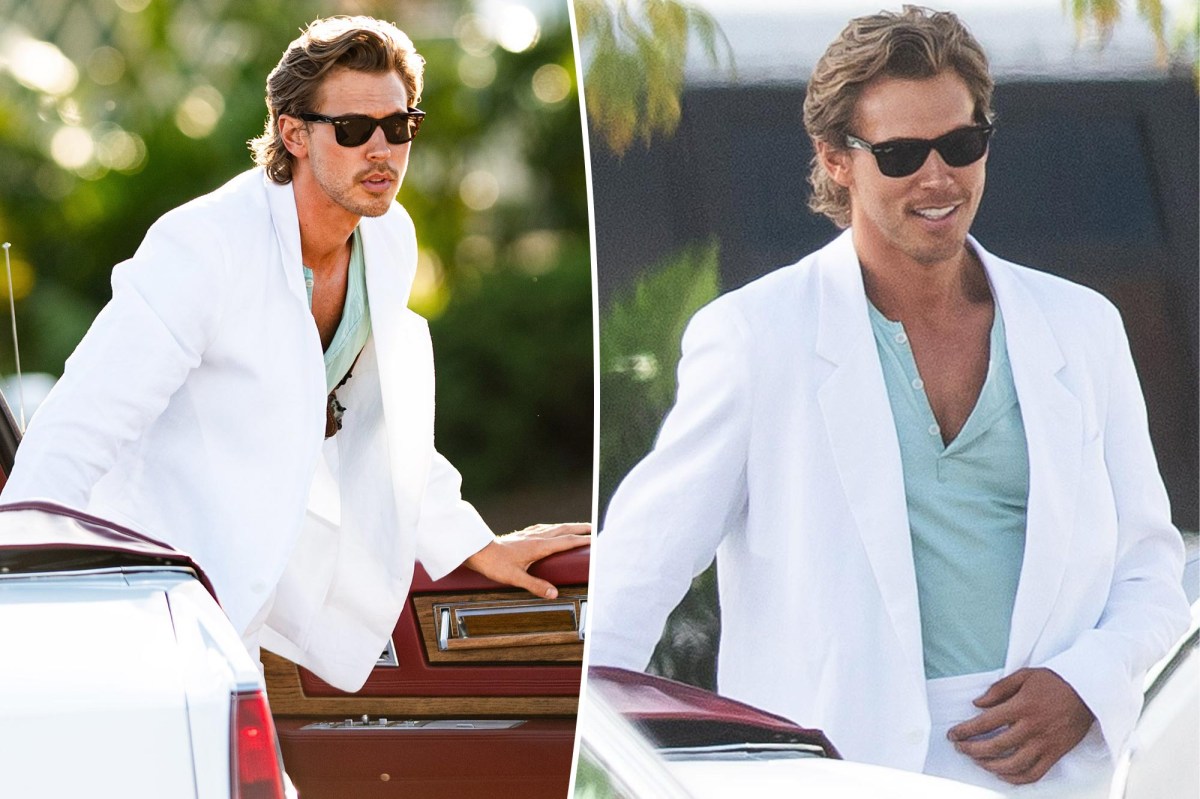
The neon‑lit streets of a newly erected Miami set glittered as Austin Butler stepped into the role of a lifetime, his tailored suit catching the light in a way that made the 1980s feel fresh and electric again. Behind the camera, the bustling set looked every inch the vibrant playground of the iconic television series, complete with pastel‑colored cars and the unmistakable hum of a synth‑driven soundtrack. Butler’s performance, a blend of swagger and sincerity, hinted at the depth that the remake aims to inject into a story long loved by fans and critics alike.
A seasoned actor who rose to prominence with his role as Phoenix in The Last of Us, Butler is no stranger to immersive, character‑driven work. The 32‑year‑old had previously dazzled audiences in the espionage‑heavy drama Killing Eve, where his nuanced portrayal of a morally ambiguous operative earned him widespread acclaim. In the Miami Vice remake, he takes on the mantle of the show's original lead, reimagining the suave detective with a modern edge while paying homage to the genre‑pushing visuals of the 1985 television series.
Filming has been set against the backdrop of downtown Miami, with the production crew carefully reconstructing iconic locations from the original series while integrating state‑of‑the‑art camera techniques. The studio’s interior sets feature authentic period details—from oversized microphones to neon strip‑lighting—creating a sensory experience that transports both cast and crew back to the era that defined a generation. The project’s estimated budget of $30 million signals the studio’s commitment to a high‑quality production that rivals the original’s cinematic ambition.
Background & Context
Miami Vice first captured America’s imagination in 1984 with its groundbreaking blend of high‑fashion aesthetics, gritty crime narratives, and an unforgettable soundtrack. The original series, starring Don Johnson and Philip Michael Thomas, redefined television’s visual language and earned a dedicated fan base that spans decades. A 2016 film adaptation and various spin‑offs have kept the franchise alive, but none have attempted to revisit the source material with the same reverence and innovation as the upcoming remake.
The decision to reboot the series as a feature film comes at a time when nostalgia‑driven projects are resonating with audiences seeking familiarity wrapped in contemporary storytelling. By choosing Austin Butler—an actor known for his depth and charm—the studio signals its intention to balance homage with fresh perspective. Butler’s previous work in high‑concept projects such as The Last of Us showcases his ability to carry complex narratives while engaging a wide audience, making him a fitting choice to bring the 1985 spirit into the present day.
Moreover, the remake taps into the broader trend of reimagining classic television through the lens of modern sensibilities. The filmmakers aim to deepen the moral ambiguities that the original series hinted at, while also expanding character arcs and adding new plot threads that reflect contemporary social and cultural dynamics. This approach offers a fresh take on a well‑known story without alienating long‑time fans.
What People Are Saying
Social media erupted in waves of excitement as early footage from the set surfaced. Fans of the original series expressed admiration for the meticulous recreation of the show’s aesthetic, while younger audiences, who grew up on the film adaptation, praised Butler’s casting as a nod to both nostalgia and current relevance. Threads across platforms highlighted the actor’s striking resemblance to Don Johnson, noting the careful attention to detail in his wardrobe and mannerisms.
Commentary from industry insiders, including fellow actors and directors who have worked on similar revivals, emphasized the importance of capturing the essence of 1985’s cinematic language. They praised the production team for embracing the era’s distinctive color palettes and music choices, noting that these elements enhance the storytelling experience. Some commentators have also highlighted the film’s potential to set new standards for television‑derived feature films, bridging the gap between episodic and cinematic storytelling.
The buzz extends beyond online chatter. Entertainment events featuring Butler and the director have already generated buzz, with audiences eager to see how the film will navigate the line between homage and innovation. Critics who previewed the early footage have hinted at a film that respects its source material while offering a modern, nuanced take on a classic narrative, suggesting that the remake could become a touchstone for future revivals.
What Happens Next
Filming is slated to continue through the summer, with the production team aiming to wrap principal photography by late October. Following the shooting phase, the crew will enter post‑production, where they plan to enhance the film’s visual style with color grading that mirrors the signature Miami Vice palette. The team is also working on a soundtrack that blends period‑appropriate synths with contemporary production techniques, hoping to resonate with both older and newer audiences.
Once post‑production is complete, the film is scheduled for a festival premiere in early 2025, a strategic move to generate buzz and secure critical acclaim before a wide theatrical release in spring. The studio has also hinted at a multi‑platform distribution strategy, potentially including a partnership with a streaming service for a later release to maximize audience reach. In parallel, promotional efforts will ramp up, featuring behind‑the‑scenes footage, interviews with Butler, and sneak peeks designed to capitalize on the 1980s revival wave.
Meanwhile, Austin Butler is reportedly exploring additional projects that showcase his range beyond the detective genre, signaling that his career will continue to evolve in tandem with the film’s success. The remake offers him a platform to reassert his place in the industry while simultaneously honoring the legacy of a show that shaped the visual and cultural zeitgeist of a generation.
In the end, the Miami Vice remake promises more than a nostalgic trip—it aims to create a living bridge between the past and present, inviting viewers to re‑experience the allure of 1985 through a fresh lens. As the neon lights continue to blaze on set, the film’s trajectory suggests an exciting future for both the franchise and the actor at its center.
The Bottom Line
The Miami Vice reboot is more than a flashy nostalgia stunt; it’s a calculated cultural touchpoint that could redefine how we revisit legacy content. By investing $30 million and leveraging Austin Butler’s proven ability to balance charm with gravitas, the studio is signalling that reverence for the past can coexist with a modern, inclusive narrative voice. This blend not only satisfies die‑hard fans craving the neon glow of the 1980s but also hooks younger audiences craving depth in their protagonists. The meticulous recreation of period detail—neon strip‑lighting, authentic microphones, and synth‑heavy soundtracks—shows a respect for the original that fans appreciate. At the same time, the incorporation of cutting‑edge visual techniques positions the film as a technological showcase, appealing to tech‑savvy viewers. If successful, this strategy could set a new industry standard for revivals, proving that fidelity and innovation are not mutually exclusive but rather complementary forces in storytelling. —MyWorldPulse
Reference:
- Official post on Austin Butler's verified Instagram
Read more celebrity news at MyWorldPulse.