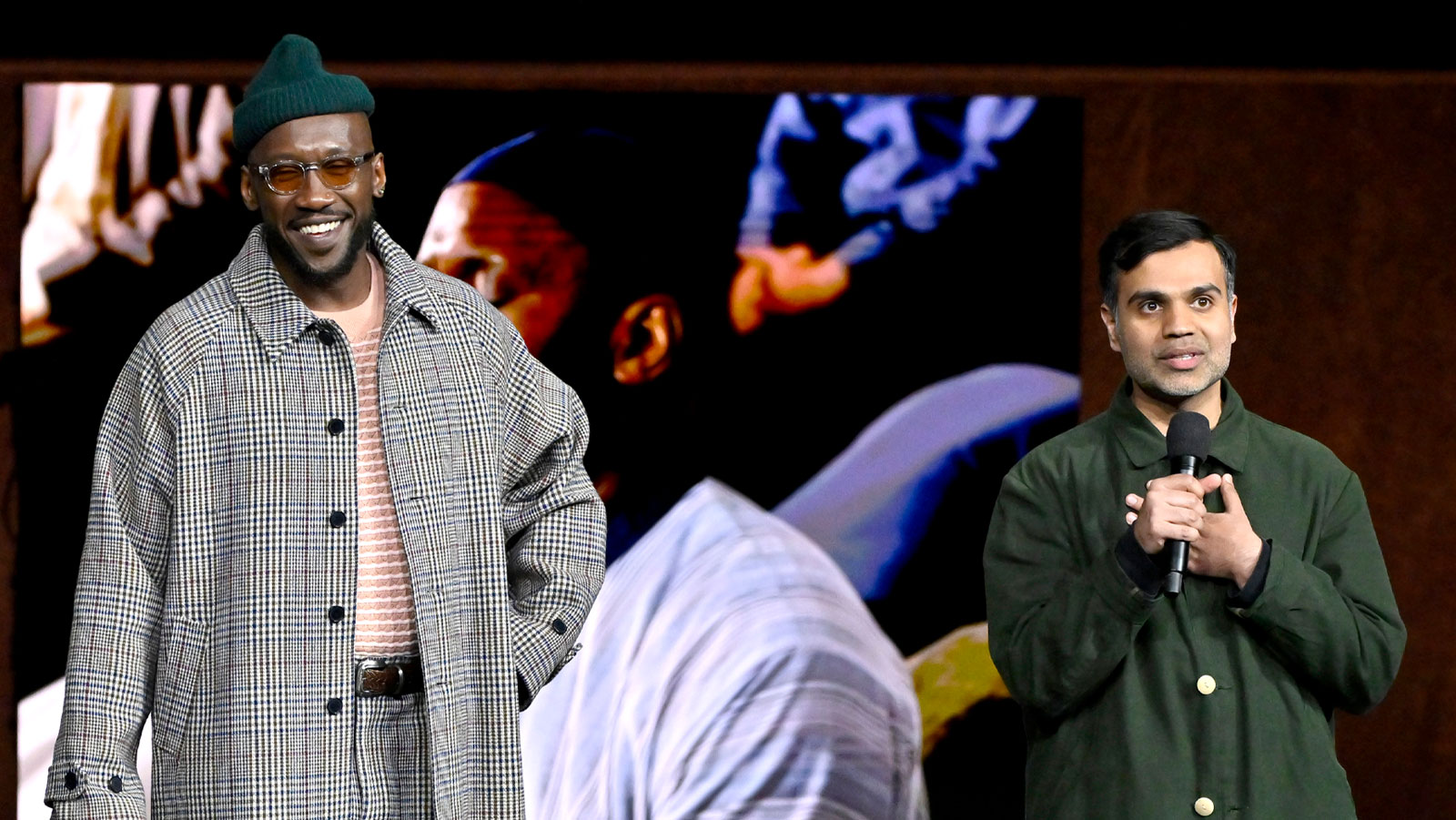
The director of the sharp‑witted comedy‑drama Your Mother Your Mother recently walked away from the high‑profile, high‑budget superhero movie Blade, citing a lack of a solid script and a lesson about “life’s too short to make sh films.”
It’s not every day that a film‑maker in his late thirties, who had just turned his first feature into a cult hit, chooses to turn down the chance to helm a Marvel franchise. Yet for Tariq, the opportunity to collaborate with a global brand, star Mahershala Ali and step into a universe that had long been a staple of the superhero genre was a temptation he deemed too risky. The decision was made in the middle of pre‑production, when he had already been working on a slate of casting choices and rough treatments. In the weeks that followed, the project was shelved, and the rights for the reboot shifted to other hands, leaving Tariq to reflect on what he has learned about timing and artistic integrity.
The story has resonated with audiences and industry insiders alike. While many viewers were surprised to hear that the iconic vampire hunter would no longer be headed by a rising, genre‑bending director, the broader conversation has shifted from “what if?” to “what next?” for Tariq, who has been hailed for his keen eye on dialogue, nuanced humor and his deft handling of character arcs that avoid the pitfalls of genre clichés.
Background & Context
In the early 2020s, Marvel Studios announced its plans to reboot the Blade franchise, hoping to tap into a younger demographic that still cherished the original films. The company tapped Mahershala Ali—already a respected actor with a range spanning from indie to blockbuster projects—to lead the project as its titular anti‑hero. At the same time, the studio reached out to Bassam Tariq, a director who had recently brought his own brand of razor‑sharp humor to the screen with Your Mother Your Mother. The decision seemed like a natural fit: Tariq’s work had earned him a reputation for blending comedy with socially conscious themes, while Ali’s presence could lend gravitas to the new iteration.
Yet the pre‑production phase revealed early signs of friction. According to insiders, the production team began assembling a cast and refining the visual language before a fully written script was ready. Tariq explained that working in a vacuum is dangerous for a director: “It was funny and strange to start casting and building without a proper script… That’s also very dangerous because if the text comes and it doesn’t add up to what you were saying, your credibility gets completely shot.” The absence of a script meant that creative decisions were being made on speculation rather than concrete narrative beats, a situation that made Tariq uneasy.
The broader context of the superhero genre adds another layer to the story. In recent years, Marvel has experimented with more mature themes in its projects, but a lack of cohesion between a director’s vision and a studio’s franchise expectations can lead to a product that feels disjointed. Tariq’s decision to exit the project can be seen as a safeguard against compromising the storytelling integrity that he prides himself on. The industry has seen other directors leave high‑profile projects under similar circumstances, often to preserve their artistic voice.
What People Are Saying
Fans of Tariq’s Your Mother Your Mother were quick to discuss the director’s exit on social media, sparking a debate that spanned from supportive to skeptical. Many appreciated his candidness about not wanting to dilute a story with an unfinished script, citing that his “life’s too short to make sh films” comment as a sign of his professional integrity. Some argued that a director of Tariq’s stature could have pushed the production to produce a script earlier, while others agreed that the lack of a written blueprint was indeed a risk too great to accept.
Within the filmmaking community, Tariq’s choice has been met with a mixture of admiration and curiosity. Industry analysts note that his willingness to step away from a lucrative deal showcases a shift in how modern directors value creative control over commercial gain. The conversation also highlights the importance of a strong script as the bedrock of a successful film, especially in genres where audience expectations are high and the stakes are substantial.
Meanwhile, Mahershala Ali’s future involvement in the Blade reboot has been left uncertain. Interviews and statements from the studio suggest that while Ali’s attachment was a major selling point, the project’s future remains in flux. The conversation has therefore become less about Ali and more about the broader question of what it means to helm a superhero film when the foundational storytelling is not solidly in place.
What Happens Next
With the Blade project now in limbo, Tariq has turned his attention to new, more independent opportunities that align with his creative ethos. His upcoming projects are rumored to explore fresh storytelling avenues, perhaps venturing into television or streaming platforms where he can retain control over the script and production process from the outset. Given the recent trend of creators taking their projects to platforms that offer greater artistic freedom, Tariq’s next move could very well reflect a larger industry shift toward creator‑centric content.
For Marvel, the decision to pivot the Blade reboot to other talent signals a commitment to ensuring that the franchise receives the narrative attention it demands. The studio is reportedly in talks with other directors who have a proven track record of delivering tightly scripted, emotionally resonant superhero films. The outcome of these negotiations will likely set a precedent for how Marvel and other studios balance star power, brand value, and creative input.
In the meantime, fans and critics alike will be watching Tariq’s career with interest. Whether he revisits the superhero genre with a different angle or continues to sharpen his comedic voice in the indie scene, his story serves as a reminder that timing, script solidity, and personal integrity can be as crucial to a film’s success as budget and marketing budgets.
Ultimately, the Blade saga—though it may not feature the charismatic vampire hunter we once imagined—has become a case study in the delicate dance between art and commerce. It reminds creators that sometimes stepping away is the boldest move they can make.
The director’s latest interview has left audiences contemplating the real cost of a missed or misaligned opportunity, and it also offers a fresh perspective on the value of making the right choice, even when the stakes are high.
The Bottom Line
MyWorldPulse believes that Tariq’s choice is a bold reminder that creative integrity should trump monetary allure. In an era where blockbuster franchises dominate the box office, the decision to step away from a lucrative Marvel opportunity sends a powerful message to studios and creators alike: the soul of a story cannot be compromised by deadlines or budget constraints. This move also highlights the evolving power dynamic between directors and studios, where negotiating for script ownership and creative autonomy is becoming a key lever for quality filmmaking. By prioritizing narrative solidity over quick cash, Tariq sets a precedent that could reshape how franchises approach development, ensuring that future superhero tales are not only commercially viable but also artistically credible. The industry—and its audiences—stand to benefit from this newfound emphasis on storytelling integrity. —MyWorldPulse
Reference:
- Official post on Bassam Tariq's verified social media account
Read more celebrity news at MyWorldPulse.