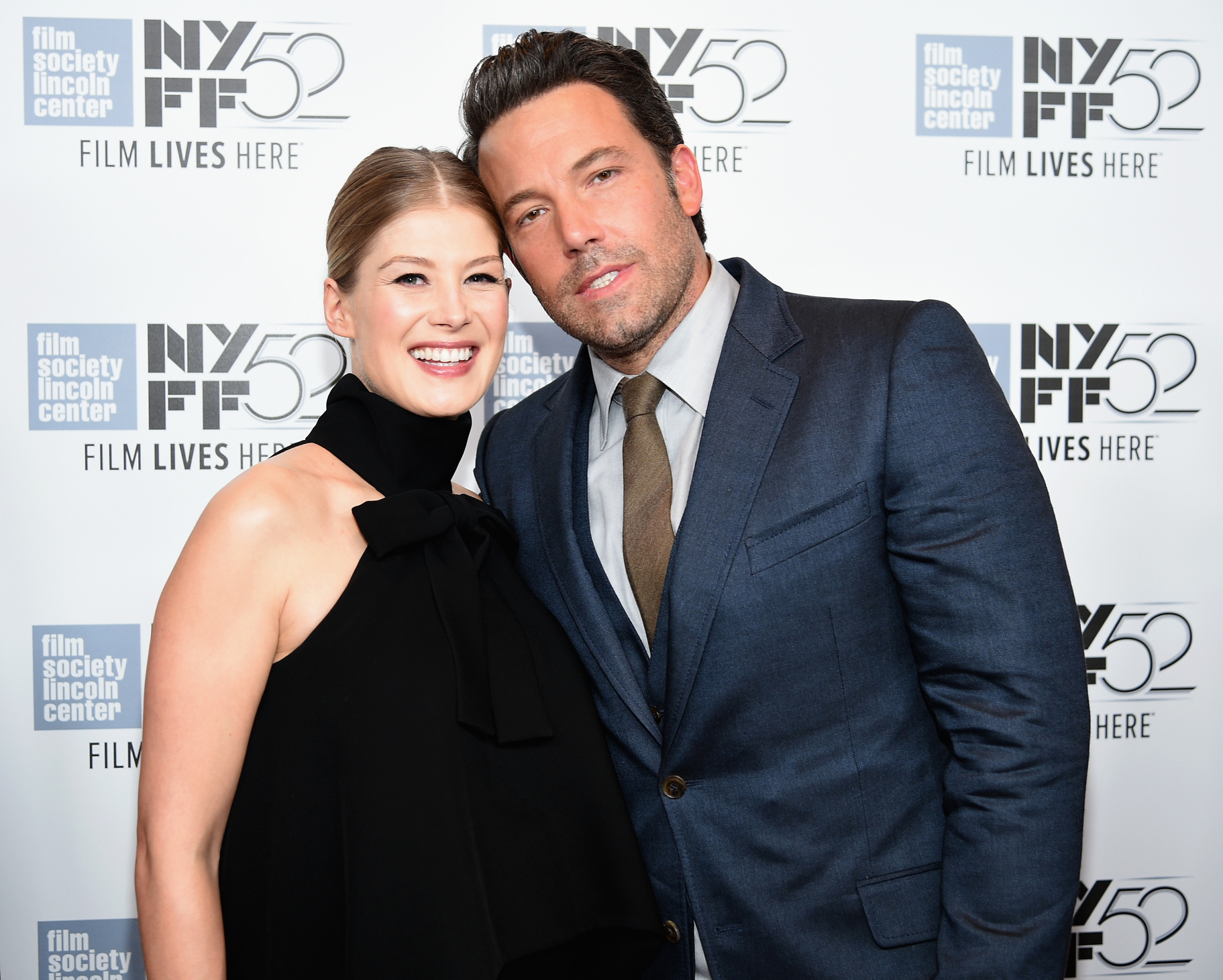
Ben Affleck confessed that, even a decade after the 2014 thriller hit theaters, he still feels a chill when he sees the woman who played his wife’s deadly alter‑ego on set. The actor, who spent 12 years of his life in the role of a beleaguered husband, admits that Pike’s performance lingers in his mind and in the way he greets her now. The revelation offers a window into the ways a single character can haunt the real world, a phenomenon that reverberates through Hollywood’s collaborative culture and its growing reliance on social‑media personas.
The conversation about Affleck’s lingering fear first surfaced in a relaxed interview, where the 54‑year‑old touched on the unforgettable scenes of “Gone Girl.” He laughed at the absurdity of still feeling “afraid” of a co‑star, yet his tone carried genuine respect for Pike’s craft. The story, however, runs deeper than a comic confession. It illustrates the porous boundary between on‑screen personas and real‑world identities—a line that many actors, especially those in high‑profile films, must navigate carefully. In an industry that thrives on authenticity, Affleck’s admission underscores how powerful a performance can be, both on audiences and on the actors who portray them.
Beyond the immediate drama, the story taps into a broader conversation about how modern actors manage relationships on set. It brings to light questions of creative collaboration, the psychological toll of intense roles, and the emerging role of social media as a career‑building tool. In a world where a single role can define an actor’s public image for years, Affleck’s candidness signals a shift: the industry is now more willing to discuss the emotional aftermath of a film, not just its box‑office results.
Background & Context
In 2014, “Gone Girl” became a cultural touchstone, combining gripping storytelling with daring performances. Rosamund Pike, then 47, earned an Academy Award nomination for her portrayal of Amy Dunne, a woman who manipulates the narrative of her marriage with a level of sophistication that stunned critics and audiences alike. Affleck, then 52, played Nick Dunne, the beleaguered husband caught in a web of deceit. Their dynamic was at the heart of the film’s tension, with each scene building a cat‑and‑mouse game that kept viewers on edge.
The production, helmed by David Fincher, was known for its meticulous attention to detail. Affleck recalled the pressure to embody Nick’s vulnerability while remaining believable alongside Pike’s unhinged intensity. He recounted a pivotal moment—the infamous shower scene—where the actor had to trust Fincher’s vision, opting not to wear prosthetics for a raw, visceral effect. The scene became a staple of the film’s promotional material, and it cemented both actors’ places in cinema history.
Since the film’s release, Affleck has rarely crossed paths with Pike. The actor’s comments suggest that the intense environment of shooting, combined with the psychological weight of the story, left a lasting imprint. While he has expressed admiration for her craft—calling it a “great performance” and a highlight of his career—the lingering sense of apprehension indicates a more complex emotional bond. In an industry where actors often collaborate across multiple projects, such lingering effects challenge the common assumption that professional relationships are always straightforward.
What People Are Saying
Affleck’s revelations have sparked conversations beyond the “Gone Girl” narrative. A significant thread of discussion centers on his interest in working again with former on‑screen partner Jennifer Garner. The actor, who has openly expressed a desire to revisit their dynamic, notes that the line between real life and film can be delicate. He remembers that, during the production of a past film, he would have embraced a role with Garner if it had matched the creative vision, even though their on‑screen marriage would have felt too obvious given their off‑screen history. He sees potential in finding new, nuanced projects that separate personal and professional realms while still honoring the chemistry that once existed.
Another facet of the conversation revolves around the perceived bias in the Academy’s recognition of performers. Affleck, reflecting on the recent snub of Jennifer Lopez for her role in “Hustlers,” offers a thoughtful perspective on how award outcomes can feel arbitrary. He acknowledges that commercial success does not always align with personal taste or artistic merit. In his view, the awards process remains subjective, driven by the preferences of voting members rather than an objective standard. This viewpoint underscores the ongoing debate over representation and fairness in major industry accolades.
Meanwhile, social media’s growing influence continues to shape the careers of actors like Affleck. He emphasizes the importance of cultivating an online identity, noting how both Jennifer Lopez and Jennifer Garner have turned social media into a genuine business asset. By managing their digital presence carefully, they’ve extended their reach beyond traditional media, creating new revenue streams and connecting with fans on a deeper level. Affleck’s own stance highlights a recognition that modern actors must balance on‑screen work with off‑screen branding to remain relevant and financially viable in an increasingly digital age.
What Happens Next
Looking ahead, Affleck’s openness about his lingering fear and his career ambitions points to a few possible directions. His continued focus on building a robust social‑media presence suggests a strategy that intertwines traditional filmmaking with contemporary digital engagement. By positioning himself as both an actor and a brand, he may leverage his unique experiences to attract audiences who crave authenticity and behind‑the‑scenes insight.
The actor’s interest in collaborating again with Garner also opens doors to fresh storytelling opportunities. Whether in a romantic drama, a thriller, or a character study, the potential to revisit a past partnership in a new context could generate both critical acclaim and box‑office buzz. The industry will be watching to see whether the pair can translate their shared history into a compelling narrative that resonates with today’s viewers.
As for Pike, the dynamic between her and Affleck may continue to evolve. While their interactions remain cautious, the shared history of “Gone Girl” has left an indelible mark on both careers. Fans will likely keep a close eye on any future collaborations or public engagements, curious to see whether the tension that once fueled a cinematic masterpiece can be harnessed for new creative ventures.
In the broader scope of Hollywood, Affleck’s story is a reminder that the emotional resonance of a role can extend far beyond the screen. The industry is gradually embracing the complexities of actor psyche, acknowledging that the line between performance and reality is thinner than once believed. As the conversation around mental well‑being, authenticity, and digital presence gains momentum, stories like Affleck’s will likely inspire more open dialogue and new frameworks for collaboration.
Ben Affleck’s candidness about his enduring fear of Rosamund Pike, his admiration for Jennifer Garner’s talent, and his critique of award politics illustrates a modern Hollywood that is as much about human experience as it is about entertainment. In an era where actors juggle personal narratives with public personas, the industry must adapt—recognizing that the after‑effects of a film can be as powerful as the film itself.
The Bottom Line
The entertainment industry’s obsession with flawless image has long left little room for the real emotions that actors experience. Ben Affleck’s open admission that the 2014 character of Amy Dunne still unsettles him reveals a painful truth: the boundary between performance and reality is thinner than we’d like to admit. Hollywood’s future depends on whether it embraces mental health as a legitimate business concern, not just a buzzword. We must hold studios accountable for providing psychological support, especially for roles that demand intense immersion. Actors, too, should feel empowered to speak up without fear of career repercussions. When the industry acknowledges that a role can haunt a performer, it paves the way for safer, more sustainable creative processes. It also signals to audiences that the stories they love come from real people, making the art form richer and more relatable. Let’s champion transparency and care, so that the next generation of actors can pursue their craft with confidence, not fear. —The MyWorldPulse.com Editorial Team
Reference:
- Official post by Ben Affleck on Instagram
Read more celebrity news at MyWorldPulse.