For the entertainment industry, the return of a once‑celebrated child star after nearly half a century on the sidelines signals a quiet but resonant reminder that legacy and memory still carry weight in Hollywood’s ever‑shifting landscape. When the 88‑year‑old former “Father Knows Best” actor was spotted strolling the streets of Los Angeles on November 10, the sight prompted a flurry of nostalgic comments, echoing a broader trend of seasoned performers and long‑tenured executives announcing transitions that will shape the next chapter of American media.
Billy Gray’s appearance has resonated in the same way that Mary Hager’s announcement of leaving CBS News after 35 years has reverberated across the network world. Hager, who has steered the Sunday‑morning program “Face the Nation” for a decade, is poised to depart in January, marking the end of an era for the show’s editorial voice. The juxtaposition of a former child actor emerging after decades of quiet and a senior producer stepping away after a long career highlights a subtle shift in the industry: a moment of reflection on the past, coupled with anticipation for the future.
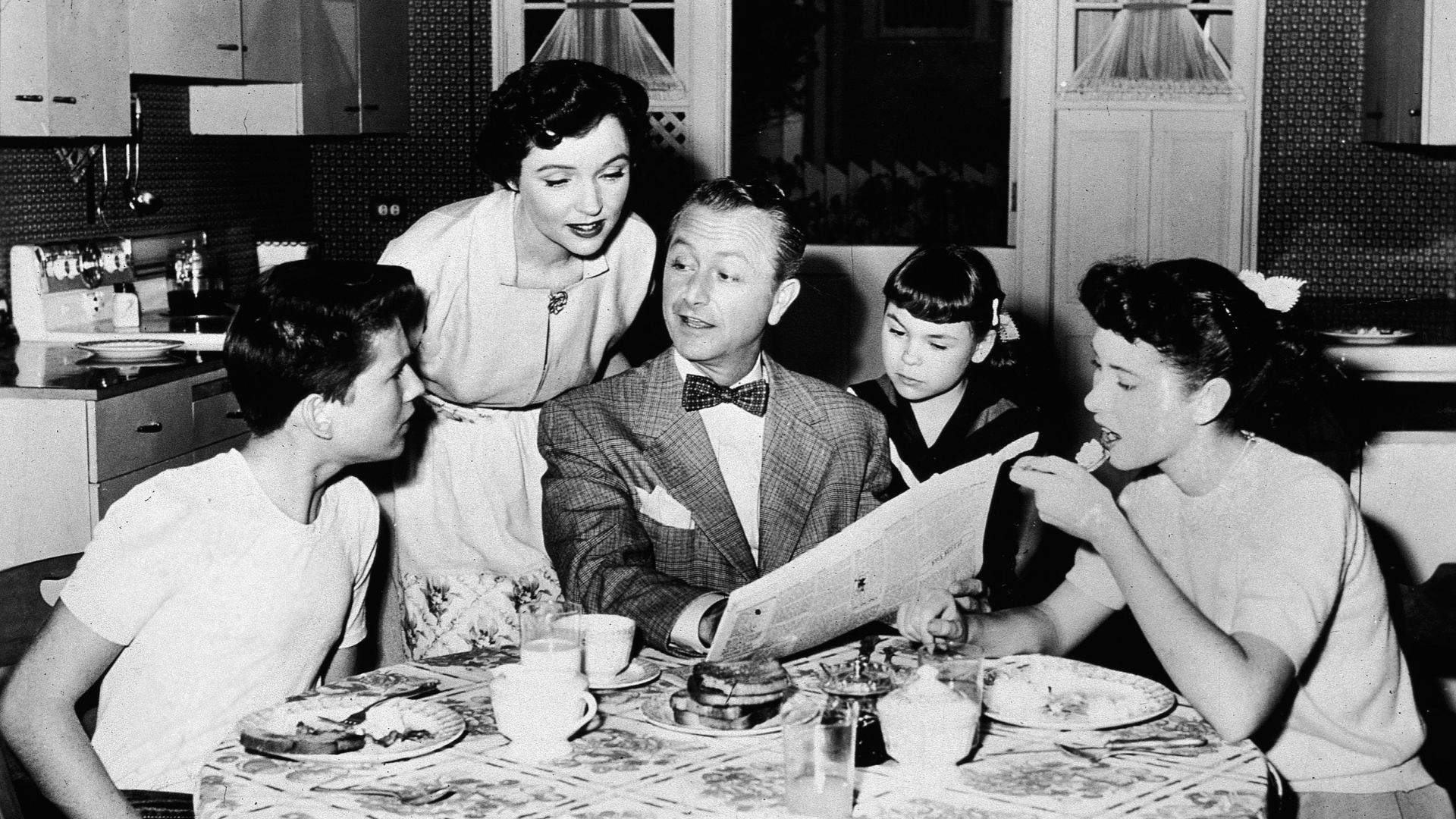
Gray’s career was defined by his role as James “Bud” Anderson, a character who embodied the wholesome, blue‑collar ethos of the 1950s. He entered the world of television at the age of 16, joining a cast that would become a touchstone for generations of viewers. The sitcom ran for six seasons from 1954 to 1960 and earned Gray a Primetime Emmy nomination, cementing his place in early television history. His later years were marked by a serious setback: a 1962 legal incident that curtailed his on‑screen work. In contrast, Hager’s career has been defined by steadiness, having risen through CBS’s ranks to become executive editor of politics before taking the helm of “Face the Nation.” Her departure after a career spanning three and a half decades represents the culmination of a sustained influence on broadcast journalism.
Background & Context
Billy Gray’s entry into show business was almost accidental. When his older brother was performing on stage, the then‑5‑year‑old caught the eye of an agent, setting him on a path that would lead him to the spotlight. Growing up in a family steeped in performance, Gray’s mother, Beatrice, and his brother provided both a foundation and an environment that nurtured his talents. The roles he took on in the early days were plentiful: from supporting parts in a string of films during the sitcom’s run to appearances in television dramas that followed the end of “Father Knows Best.” His talent for physical comedy, a hallmark of the era, earned him acclaim from both colleagues and audiences alike.
The 1962 incident proved to be a pivotal moment. While serving a brief prison sentence for illegal possession, Gray’s public image suffered irreparable damage. “When I got out, I thought I could go back to work, but my agent said, ‘We can’t handle you anymore,’” he reflected in a 2021 interview. The incident effectively ended his mainstream career, though he continued to work sporadically in the industry for a couple more decades. The hiatus that followed saw Gray retreat from public life, making sporadic appearances at fan conventions and industry events but largely remaining out of the limelight.
Mary Hager’s trajectory shares parallels in its longevity but differs dramatically in its public profile. Beginning her career in the 1980s, she climbed the ranks of CBS, moving from production roles to executive positions. Her tenure at “Face the Nation” has been marked by a commitment to in‑depth political reporting and rigorous editorial standards. Over 15 years, she has overseen coverage that has shaped public discourse, solidifying the program’s reputation as a cornerstone of Sunday morning television. Hager’s decision to step down, announced in January, follows a long period of service that has seen her adapt to the rapid changes in media consumption and journalism.
Both figures exemplify the dual nature of long‑standing careers in entertainment: an initial rise to prominence followed by a period of quiet reflection or reorientation. Their current moves underscore a broader industry trend where seasoned professionals either return to the public eye after long absences or prepare to hand over the reins to a new generation.
What People Are Saying
Fans who followed Billy Gray’s early career have responded to his recent appearance with a blend of delight and reverence. Social media platforms are flooded with nostalgic anecdotes, memories of his youthful charm, and reflections on how the sitcom’s themes resonated with mid‑century families. The unexpected sighting of an 88‑year‑old, dressed casually in a blue puffer jacket adorned with a Montreal Canadiens patch, evokes a tangible link to the past. Viewers have posted photos of themselves in the same neighborhood, sharing how Gray’s presence reminds them of a bygone era of wholesome television. Many commentators note that the actor’s fitness and vibrancy defy the typical image of someone his age, generating speculation about potential future projects or public engagements.
Similarly, Mary Hager’s impending departure has sparked discussion among media professionals and audience members alike. Some observers view her exit as the end of a significant chapter for “Face the Nation,” pointing out that her leadership has steered the program through political turmoils and shifts in viewer preferences. Others see it as an opportunity for the network to recalibrate its editorial direction, potentially bringing in fresh voices and new perspectives. Within CBS, there is a recognition that Hager’s 35‑year tenure has shaped the station’s political coverage, and her departure will prompt an evaluation of how the show can maintain its relevance in a rapidly evolving media environment.
The broader conversation surrounding both figures centers on the enduring impact of veteran talent. Industry insiders emphasize the importance of legacy and the ways in which past experiences inform future creative and editorial decisions. While the public reaction to Gray’s return is rooted in nostalgia, the professional community sees his re‑emergence as a potential catalyst for revisiting classic works or exploring new storytelling avenues that honor his early contributions.
What Happens Next
In the immediate term, Billy Gray’s health and the public’s positive response suggest a possible series of appearances or speaking engagements. Though he has not yet confirmed any plans, his recent appearance—carrying a rolled‑up paper and a black bag—hinted at a task that may involve community outreach or a participation in a film festival honoring classic television. Industry commentators speculate that Gray could be invited to speak at events celebrating mid‑century television or to mentor young actors navigating the complexities of modern media. If he chooses to remain active, his presence would bridge generational gaps, offering contemporary audiences a tangible link to the past.
For Mary Hager, the forthcoming departure of her role as senior executive producer opens a path for a transition within CBS’s leadership structure. The network has already begun discussions about potential successors who can honor Hager’s legacy while steering “Face the Nation” toward a fresh editorial direction. Hager’s long service has set high standards for investigative reporting, and her exit may encourage the program to explore new formats or expand its digital footprint. The industry watches closely to see whether CBS will bring in an internal promotion or look for a seasoned producer from another network to bring in different viewpoints.
Beyond the specifics of these two careers, the industry is witnessing a subtle but significant realignment. Veteran actors and producers who have long contributed to the cultural tapestry of television and journalism are either stepping back or stepping forward in unexpected ways. Their decisions highlight a maturation in the entertainment world, where the past is not merely retired but can be integrated into future narratives. These moves encourage a broader conversation about mentorship, legacy, and the ways in which media institutions can preserve their historical identity while evolving to meet contemporary demands.
The return of Billy Gray, after 46 years of silence, serves as a reminder that talent and memory endure beyond the glare of the spotlight. Likewise, Mary Hager’s impending departure from a 35‑year tenure signals a new chapter in broadcast journalism. Together, their stories illustrate how the industry balances reverence for its storied past with an openness to change, ensuring that the next generation of storytellers can build upon the foundations laid by those who came before.
Read more celebrity news at MyWorldPulse.