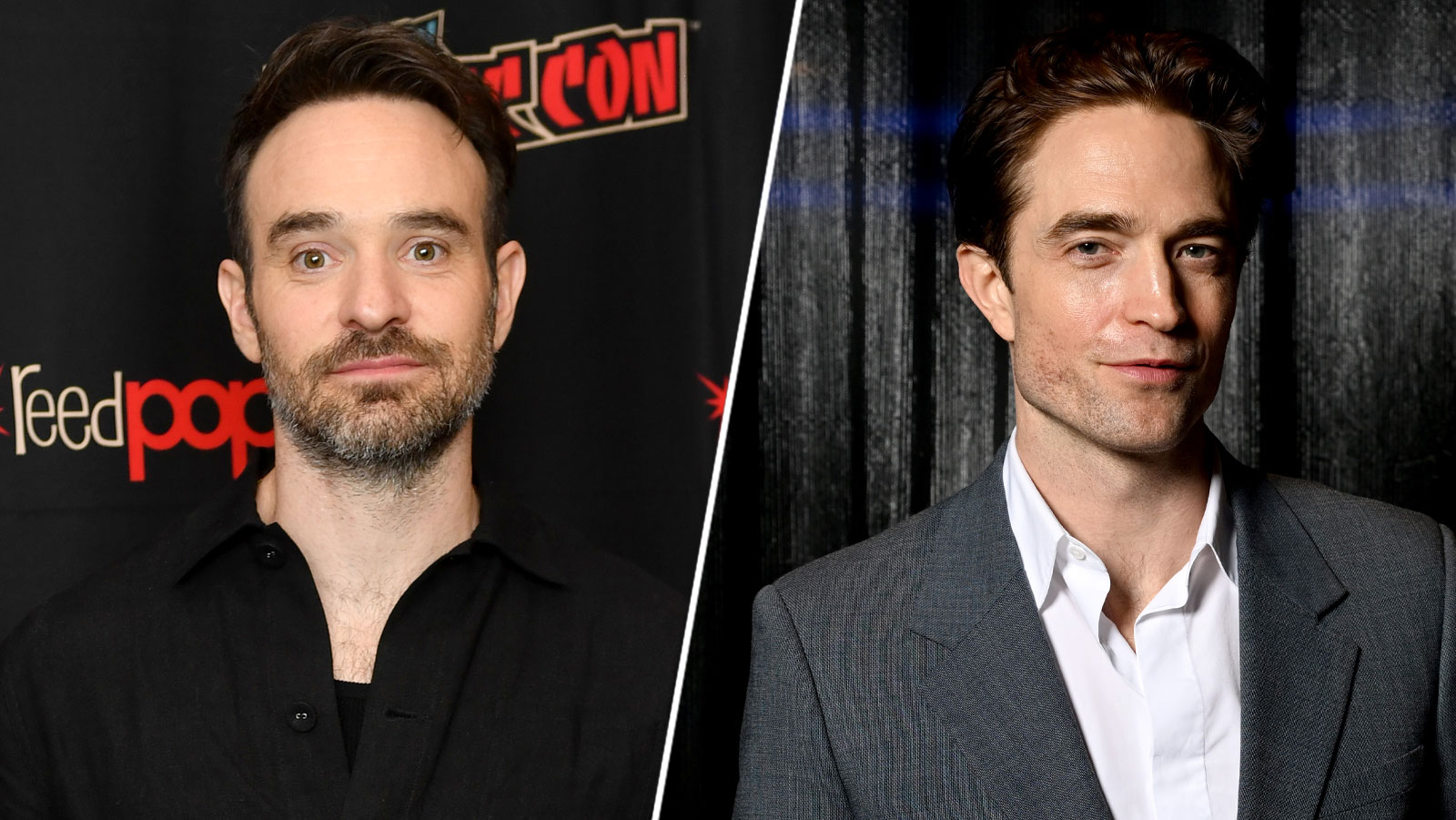
The scent of old leather and stale coffee lingered in the cramped back room of a New York theatre where Charlie Cox had spent the last fifteen minutes rehearsing a monologue in a voice he once reserved for an iconic hero. The 52‑year‑old, whose world‑famous portrayal of Matt Murdock has turned the gritty streets of Hell’s Kitchen into a second home, was quietly humming the opening bars of the James Bond theme, hoping to convince a production team that his time was still open for the next chapter of 007’s saga. The answer, however, arrived in the form of a polite refusal: he was “too old.” The decision, conveyed in a brief exchange that left Cox stunned, forced him to refocus on the demanding, but still beloved, Daredevil narrative that now dominates his schedule.
The same night, a different conversation unfolded in a high‑end London studio, where an executive announced that the long‑awaited, Denis Villeneuve‑directed film would feature a new face in the role of the world’s most famous spy. Robert Pattinson, 40, the actor known for his work on the “Twilight” series and a steady stream of independent projects, was signed to portray the suave secret agent. While the casting was hailed as a bold move by the producers, it also underscored the tension between age, experience, and the franchise’s evolving expectations. The announcement set the stage for a broader conversation about representation and generational shifts in Hollywood.
In a parallel scene set against the backdrop of a dazzling beachfront ceremony, Kim Zolciak, former reality‑TV star and mother of Brielle Biermann, reflected on her daughter’s wedding to former baseball player Billy Seidl. The day, described by Zolciak as a dream, unfolded in Naples, Florida, where Brielle and Seidl stood under a turquoise sky in a simple yet elegant arrangement. Zolciak’s remarks – “It was all a dream, it was beautiful” – were punctuated by applause from friends and family. The celebration was not just a personal milestone but also a reminder of how intertwined celebrity lives are with public spectacle.
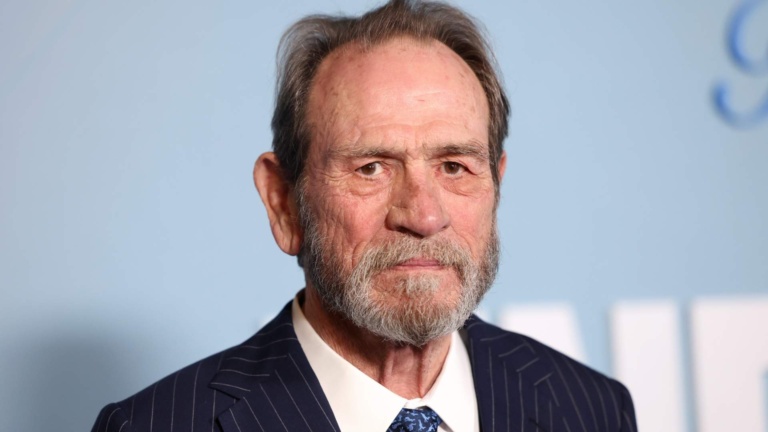
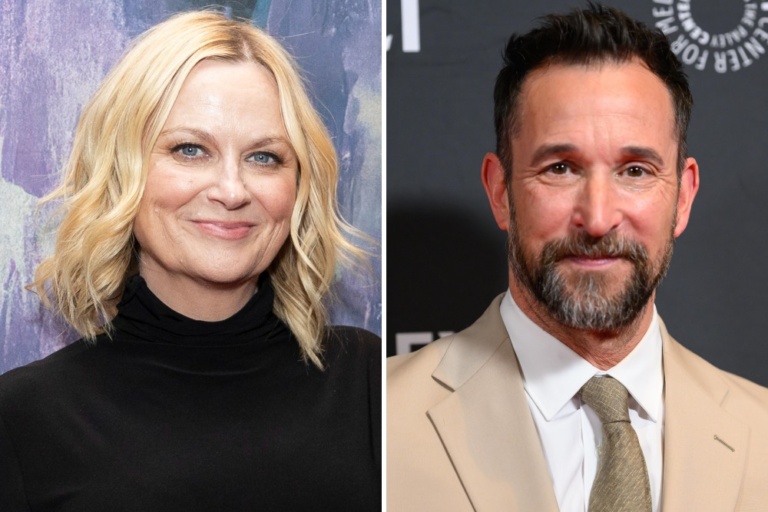
A different kind of personal triumph also emerged that week from Hollywood’s own Hallmark and Star Trek legend, Jonathan Frakes. In a candid episode of his podcast, the 74‑year‑old actor revealed that a routine check at a fan convention led to a life‑saving diagnosis of non‑muscle invasive bladder cancer. The discovery of pink urine prompted a swift medical intervention, and Frakes’ surgeon confirmed the presence of tumors that required urgent removal. The actor, who had just wrapped a new holiday film series, announced that he would undergo six weeks of chemotherapy and immunotherapy, proof of the resilience required of those who live under the public gaze.
Background & Context
The James Bond franchise has long been a barometer for Hollywood’s willingness to reinvent itself. From Sean Connery’s rugged charm to Daniel Craig’s brooding intensity, each actor has brought a distinct flavor that has resonated with audiences for decades. When Denis Villeneuve stepped into the director’s chair, expectations were that he would push the franchise into a darker, more introspective realm, while still maintaining the trademark allure. Casting the new 007, therefore, was a decision that carried symbolic weight, reflecting not just on the film’s future, but on the broader conversation about age and relevance in cinema.
Charlie Cox, who first captivated audiences as Daredevil in 2015, found himself at the intersection of that conversation. His career has been characterized by a dedication to complex, morally ambiguous characters—a trait that aligns with the modern iteration of Bond, where the spy grapples with personal demons and global stakes. Yet, the decision that deemed him “too old” underscores the industry's often unforgiving standards, where even a seasoned actor’s experience can be misread as a liability. Meanwhile, Robert Pattinson’s casting signals a shift toward a younger, more versatile approach. His previous roles have ranged from romantic lead to dramatic indie performer, positioning him as a bridge between the franchise’s legacy and its future direction.
Outside of the Bond narrative, the entertainment landscape remains a tapestry of interconnected personal and professional stories. Kim Zolciak’s daughter’s wedding, for example, served as a public reminder of the ongoing interplay between personal milestones and celebrity culture. The event, captured in a series of Instagram posts that garnered thousands of likes, highlighted how social media continues to amplify even the most intimate moments. Such events, while celebratory, often ripple outward, influencing perceptions of the families involved and shaping the cultural dialogue around celebrity lifestyle.
In the realm of health, Jonathan Frakes’ experience reveals another layer of Hollywood’s complex reality. While the industry often celebrates glamour, it also confronts raw, human vulnerability. Frakes’ openness about his diagnosis and subsequent treatment process offers a rare glimpse into the challenges faced by public figures, and illustrates how personal health journeys can intersect with public expectations. The transparency displayed by Frakes provides a narrative that extends beyond entertainment, touching on broader issues of medical awareness and the pressures faced by aging actors.
What People Are Saying
Charlie Cox’s candid admission that he had approached a production team to audition for Bond and was told he was “too old” surprised many fans. He recalled, “Can I say something? I asked to audition for that.” The moment, recorded by a close associate, revealed a moment of professional humility, and it sparked discussion across fan forums about the evolving criteria for roles in major franchises.
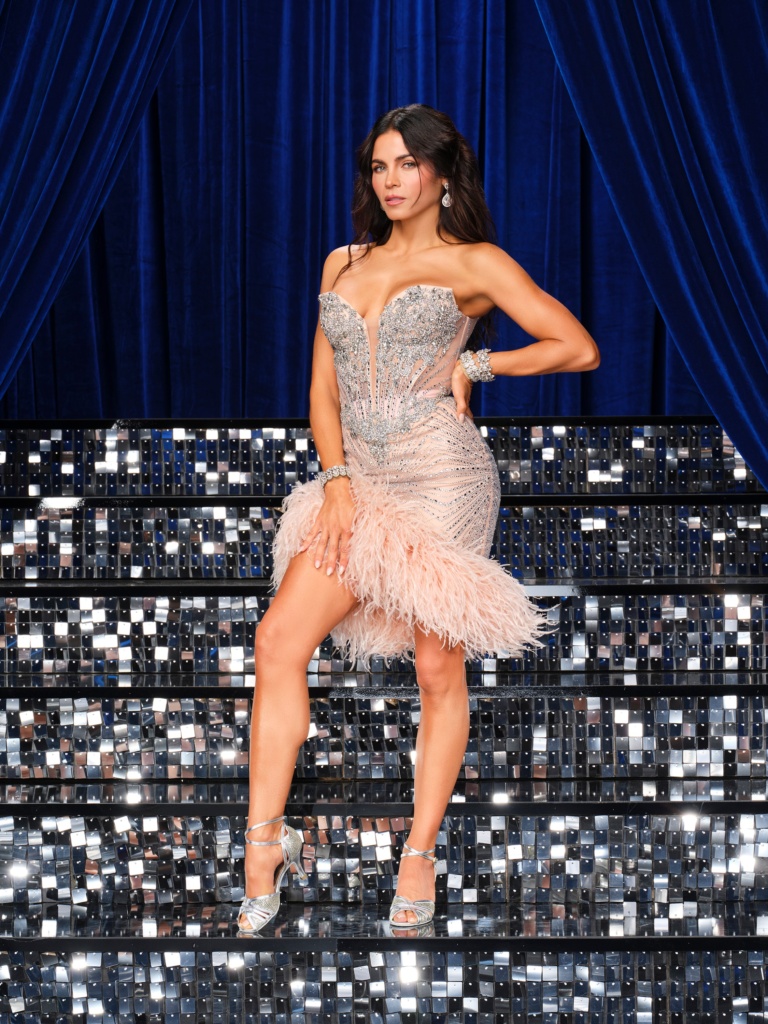
Kim Kardashian, in an interview with an insider source, expressed a longstanding ambition that might seem outlandish at first glance: the desire to star as the next Bond Girl. The source noted, “Kim knows people will laugh, but they laughed when she first became famous, too. Look at her now. She’s a billionaire with a global empire.” Kardashian’s approach, as described, was not merely a vanity wish but a calculated career move to expand beyond reality television, seeking roles that would cement her place in mainstream cinema. She is said to have asked her mother, Kris Jenner, for support, emphasizing the importance of networking within Hollywood’s often closed circles.
Meanwhile, Kim Zolciak’s own reflection on her daughter’s wedding added a contrasting yet complementary perspective. When questioned about the ceremony, Zolciak described it as “perfect,” adding, “It was all a dream.” She also commented that “No,” when asked if anything felt missing due to her estranged husband’s absence. Her comments underscore the complexities of personal celebration in the public eye, where emotions are both deeply private and widely shared.
Jonathan Frakes’ story has been met with widespread admiration. In the episode of his podcast, he recounted the unsettling moment he noticed his urine was pink, a detail that could be overlooked if not for his instinct to investigate. He recalled, “My pee was pink, I was unnerved.” Frakes’ subsequent medical journey involved a cystoscopy, the immediate removal of tumors, and a subsequent chemo regimen. He noted, “I didn’t intend to talk publicly about my cancer, but I felt it was a good idea to share.” His openness has sparked conversations about health transparency in the entertainment industry, illustrating that public figures can influence public discourse beyond their on‑screen work.
All these stories converged to form a mosaic of ambition, resilience, and the relentless pressure that defines modern celebrity. Whether a seasoned actor like Cox faces ageist rejection, a mogul like Kardashian seeks to redefine her legacy, a reality star’s daughter celebrates a new chapter, or an established actor confronts a life‑threatening diagnosis, each narrative provides a different lens on what it means to navigate fame in a media‑saturated age.
What Happens Next
With Robert Pattinson set to portray the new Bond, production has already begun in Vancouver, where the team has secured locations that mimic the iconic settings fans expect. Filming is slated to start in early spring, with a projected release date later this year. The casting decision has generated buzz across fan sites, with many debating whether Pattinson’s more understated style will fit the franchise’s traditional swagger. Critics will be watching closely to see if Villeneuve’s direction can elevate the character, balancing nostalgia with a contemporary tone.
Kim Kardashian’s bid to become a Bond Girl is still in its early stages, but the potential for such a crossover could reshape her career trajectory. If she is offered a role, her participation could bring fresh attention to the franchise, especially if she brings her substantial social media influence into promotional campaigns. Whether or not she secures a role, her ambition reflects a broader trend of reality‑TV personalities seeking serious acting credentials.
Kim Zolciak’s daughter, Brielle, is expected to continue her path in the public eye, having recently announced plans to compete on a popular game show. The wedding, celebrated as a “dream,” may serve as a backdrop for future projects that explore her family’s dynamic, providing content that appeals to audiences still fascinated by the lives of reality‑TV families.
Jonathan Frakes’ health journey will likely continue with post‑chemotherapy monitoring and a return to his acting projects, including his upcoming holiday films. His experience could prompt further dialogue about early cancer detection and the importance of medical vigilance, especially for those in high‑profile careers where health can be both a personal and professional concern.
The entertainment industry, with its intricate web of careers and personal stories, remains in a state of constant flux. As actors navigate roles that may redefine them, reality stars expand their portfolios, and seasoned performers confront health challenges, the world of celebrity continues to evolve, reminding us that behind the glamour lies a tapestry of human experience.
The story of a 52‑year‑old actor told the Bond team “too old,” the ambition of a billionaire star to join the spy’s world, the joyous celebration of a daughter’s marriage, and the courage of a veteran actor facing illness—all converge to paint a picture of a film industry that is as much about personal journeys as it is about blockbuster spectacles.
The Bottom Line
MyWorldPulse believes the industry’s fixation on youth threatens its creative depth. By rejecting a seasoned actor like Charlie Cox, studios risk alienating loyal fans who value authenticity and experience. Embracing diverse age ranges could revitalize iconic franchises, offering fresh perspectives while honoring legacy. At the same time, the candidness of actors like Jonathan Frakes shows that vulnerability can humanize celebrity culture and foster meaningful dialogue about health. Hollywood must balance market demands with genuine representation, ensuring that talent is chosen for skill rather than age. This equilibrium is not only a moral imperative but a strategic one—audiences crave depth, authenticity, and relatability. The future of blockbuster cinema hinges on its willingness to let seasoned actors continue to narrate new chapters, proving that age is not a liability but a reservoir of storytelling power.
Reference:
- Official post on Charlie Cox's verified Twitter account
- Official press release from Universal Pictures announcing Robert Pattinson as new Bond
- Official interview with Jonathan Frakes on his 'Health & Hollywood' podcast
Read more celebrity news at MyWorldPulse.