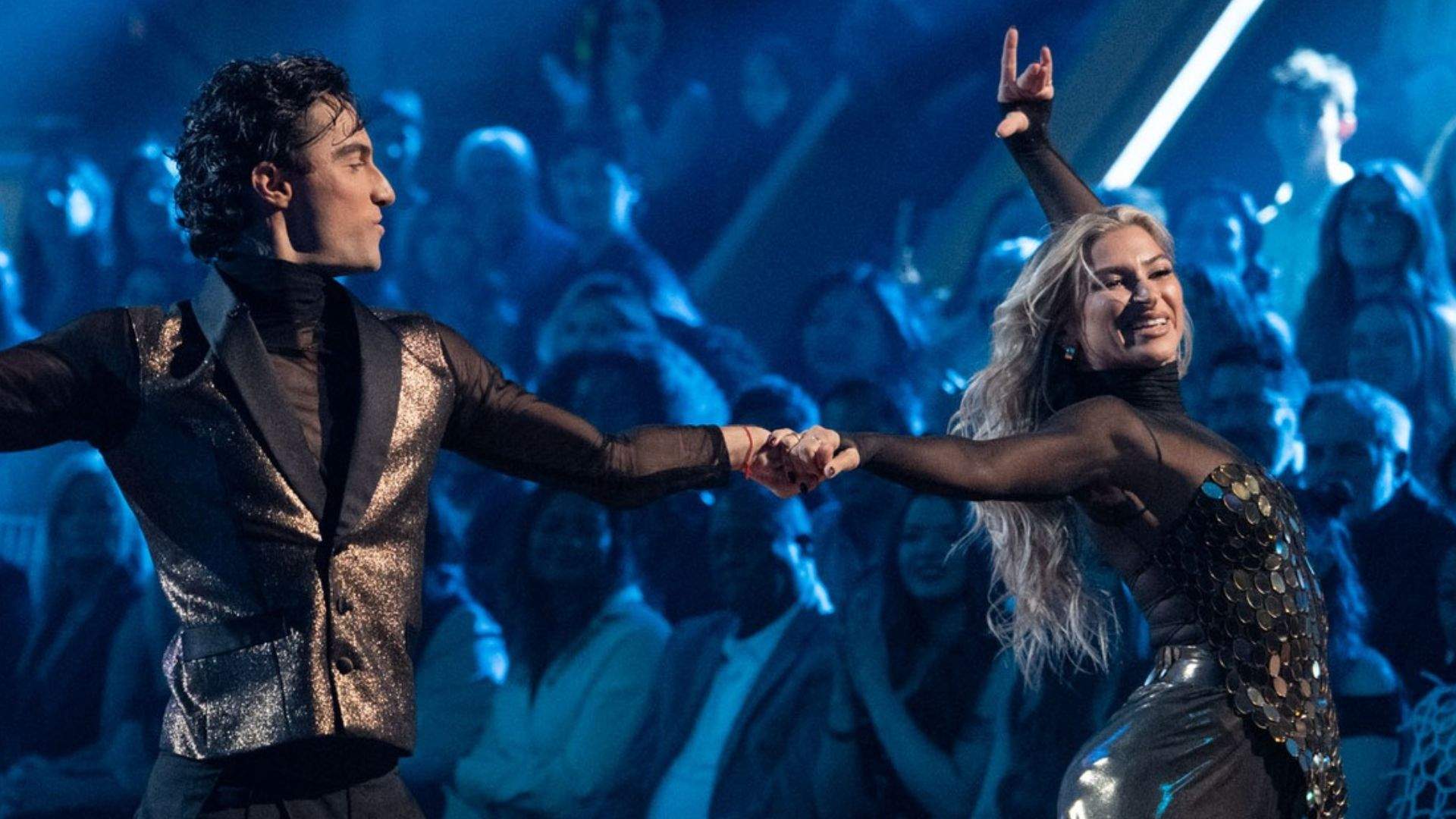
In the glittering glow of the Dancing With the Stars finale, the spotlight turns to Daniella Karagach, whose partnership with Paralympic athlete Ezra Frech could give her a coveted second Mirrorball trophy. The duo’s final night promises not just high‑stakes choreography but a moment that could reshape how the dance world celebrates diversity.
For industry insiders, the stakes run deeper than a trophy. The finale is a showcase of how mainstream television is embracing athletes with disabilities, offering them a stage alongside celebrity partners. If Karagach claims the crown, it will be a powerful reminder that talent can flourish regardless of physical differences, and it will push networks to continue casting inclusive stories that resonate with millions of viewers.
The buzz began a week ago, when fans flooded social media with speculation about the pair’s upcoming performances. With 21‑year‑old Ezra’s missing leg never halting his drive, the duo’s chemistry and the daring routines they’ve crafted have already set the season’s narrative on fire. Now, all eyes focus on whether the seasoned pro can convert that synergy into a win.
Background & Context
Daniella Karagach first graced the Dancing With the Stars stage in season 29, finishing third with partner Nelly. The following year she paired with NBA star Iman Shumpert, delivering the Halloween routine that still circulates on fan forums and earning her the season’s Mirrorball trophy. That victory remains her only title, but her track record shows a steady climb through the competition’s ranks.
After her championship season, Karagach stayed a fixture in the finals: runner‑up with singer Jason Mraz in season 32 and fourth place with influencer Dylan Efron in season 34. Her consistent presence underscores a mastery of both technical skill and audience appeal, qualities that are rare among the pool of dance professionals. Season 35 adds a new dimension to her résumé—partnering with a Paralympic athlete—demonstrating her adaptability to a partner whose performance style must be tailored to accommodate a missing leg.
The Mirrorball trophy itself carries symbolic weight. It is awarded to the winning duo, but it also represents the culmination of countless hours of rehearsal, creative choreography, and emotional resilience. For Karagach, securing a second trophy would solidify her status as one of the few dance pros who have navigated multiple final appearances and emerged victorious. It would also shine a spotlight on her ability to elevate partners who come from diverse backgrounds, a trend that is reshaping the competitive dance landscape.
What People Are Saying
Fans have been buzzing on platforms like Instagram and Twitter, where posts about Karagach and Frech’s rehearsals have spiked. Many commentators note the duo’s dynamic energy and the way they have redefined what a freestyle can look like for someone with a physical disability. Comments frequently highlight the duo’s commitment to pushing choreography boundaries while staying true to their individual strengths.
Meanwhile, the entertainment community has taken notice of a similar surge in inclusive storytelling, albeit in a different medium. Prime Video’s new Christmas romantic comedy, Clashing Through the Snow, stars Christopher Briney and Michelle Randolph as rival editors who fall in love on a road trip to New York. The film’s focus on editors—professionals who craft narratives—mirrors the narrative construction in dance competitions. The storyline’s enemies‑to‑lovers arc and its emphasis on character development reflect a broader trend in contemporary media toward complex, relatable protagonists.
Industry observers see both the dance finale and the romcom as emblematic of a shift: creators are increasingly embracing characters who defy conventional norms, whether on a dance floor or on screen. This trend encourages audiences to engage with stories that prioritize authenticity and diversity, expanding the market’s appetite for fresh, relatable content. The overlap between these two forms of entertainment highlights how different creative industries are converging around inclusive storytelling and the celebration of unique talent.
What Happens Next
The final night features three distinct performances. The judges’ choice dance will see the pair tackle a salsa routine set to Don Omar’s “Danza Kuduro.” This high‑energy dance will test their precision and synchronicity, while also showcasing how Frech’s missing leg is accommodated through thoughtful choreography.
Following that, the instant dance challenge will push them to create a routine on the spot, a test of creativity and adaptability. The final segment, the freestyle, will be set to Linkin Park’s “Numb,” a choice that allows the duo to infuse personal emotion into the choreography, giving them a chance to solidify their connection with the audience and the judges.
If Karagach secures the Mirrorball trophy, she will join a small group of dance professionals who have both reached and won the finale. The victory could set her on a new trajectory, potentially opening opportunities in television production, choreography for film, or even mentorship roles. For the audience, the win would reinforce the narrative that perseverance and inclusivity are as dance‑worthy as technical excellence.
Meanwhile, Clashing Through the Snow is slated for a holiday release, with a marketing push that includes behind‑the‑scenes content featuring Briney and Randolph’s character development process. This release strategy will likely draw in the same demographic that follows Dancing With the Stars, further blurring the lines between televised competition and scripted romantic comedy.
The convergence of these two stories underlines a broader trend: entertainment is becoming a platform that celebrates diverse narratives and redefines what it means to succeed on the public stage. Whether through the dance floor or the cinema, creators are proving that inclusive storytelling can resonate, inspire, and win over audiences worldwide.
The Bottom Line
At MyWorldPulse we see this finale not just as a spectacle but as a turning point for the dance world. Karagach’s partnership with Frech proves that excellence is not limited by physical ability; rather, it is amplified by innovative choreography and fearless storytelling. By winning, Karagach would underscore that diversity isn’t a gimmick—it’s a competitive advantage that resonates with viewers hungry for authenticity. This narrative shift aligns with a wider industry trend toward inclusive content that reflects real‑world audiences. We believe that the ripple effect will inspire more shows to embrace athletes and performers with disabilities, enriching the creative landscape and broadening representation. The potential for new roles in choreography, mentorship, and production also demonstrates how inclusive talent can open doors beyond the dance floor. Ultimately, this moment embodies a promise: that perseverance and inclusivity are equally worthy of celebration, and that the entertainment sector will thrive when it reflects the diversity of its audience. – MyWorldPulse Editorial Team
Reference:
- Daniella Karagach’s Instagram post announcing partnership with Ezra Frech
- Ezra Frech’s Instagram post celebrating collaboration with Daniella Karagach
Read more celebrity news at MyWorldPulse.