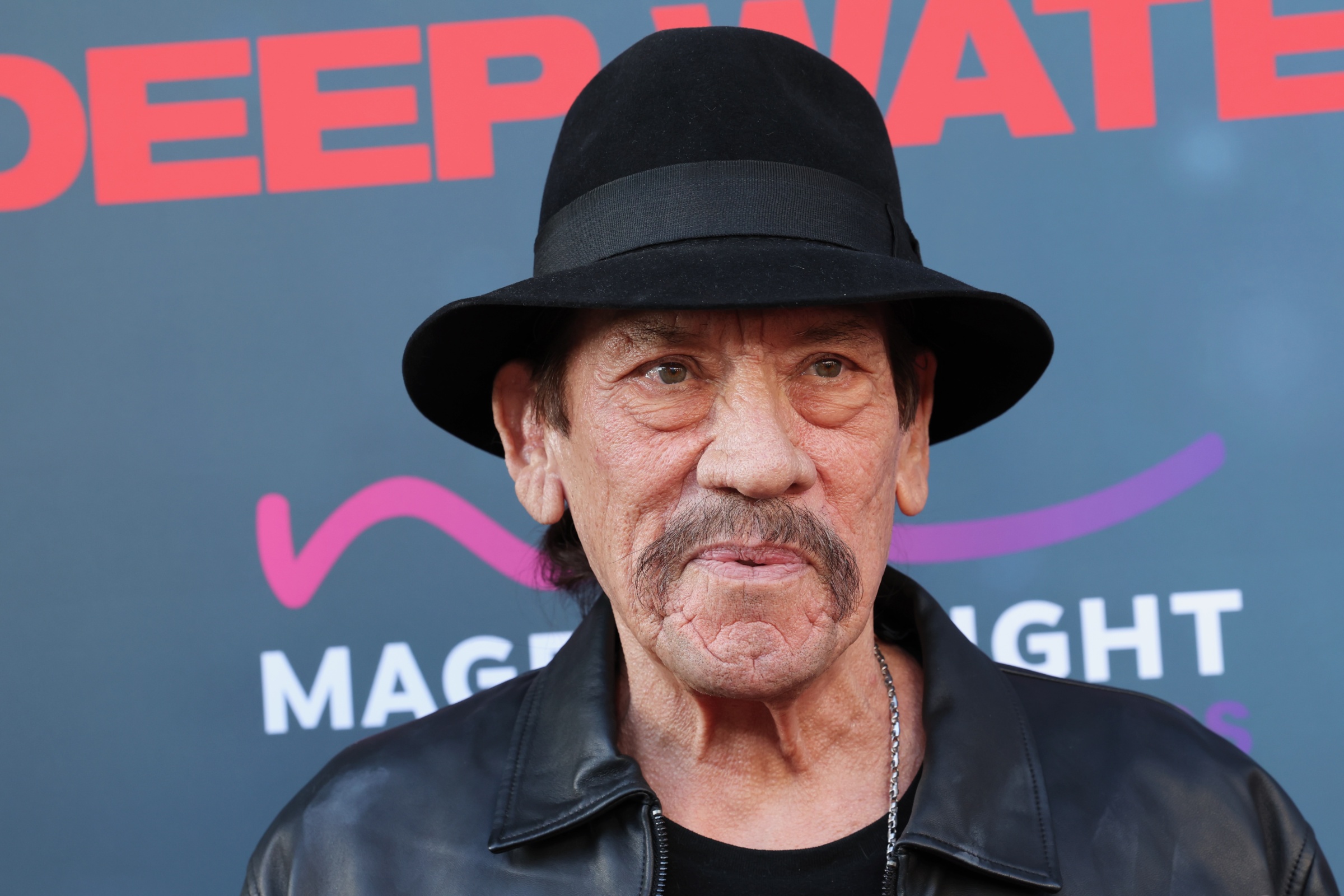
Danny Trejo, a long‑time fixture in Hollywood’s rugged‑edge world, has pulled a sharp heel on the political streaming venture that produced the film “Pawn Shop.” In a recent interview, the veteran actor said he tried to walk away from the project, only to be met with a threat that the company would sue him if he left. The dispute has cast a new light on the film’s controversial stance and the power of the production house behind it.
Trejo’s departure comes at a time when the industry is still grappling with the fallout from politically charged projects that align with specific policy agendas. “Pawn Shop” is a narrative that champions the United States’ Immigration and Customs Enforcement, presenting it as a force for order and justice. Critics argue the film reduces a complex policy debate to a simplistic “good versus evil” narrative. While the film’s release date was slated for late 2023, it has yet to make a public debut, leaving many to question whether Trejo’s exit will stall the project or simply push it underground.
The actor’s remarks were made during a candid interview where he admitted to tweaking the film’s musical elements. “I just didn’t say what they wanted me to say. You know, I just changed the lyrics a little,” Trejo explained, noting his reluctance to fully endorse the script’s messaging. The comment underscores the tension between creative integrity and corporate expectations—a theme that has resurfaced repeatedly in Hollywood’s recent politicized projects.
Background & Context
Danny Trejo first rose to prominence in the 1980s with roles that showcased his tough, street‑wise persona, notably in the “Machete” series. Over the years, he has become a beloved figure in action cinema, earning a reputation for honesty and an unpretentious approach to the craft. His involvement with “Pawn Shop” was announced in early 2023, following a partnership between the Daily Wire—an online media platform known for its conservative viewpoints—and its owner Ben Shapiro’s production arm. The film, slated to be a biographical drama, aimed to spotlight the work of ICE officers and portray them as heroes defending national security.
The Daily Wire’s foray into feature filmmaking is part of a broader strategy to extend its ideological influence beyond news articles and podcasts. By producing content that aligns with its political narrative, the company seeks to attract a dedicated audience and counter what it perceives as liberal dominance in mainstream media. “Pawn Shop” sits squarely within this framework, offering a storyline that supports ICE policies amid an ongoing national debate about immigration reform.
However, the film’s political bent has already attracted criticism from immigrant advocacy groups and liberal commentators, who argue that it promotes a polarizing viewpoint. The production’s use of a high-profile actor like Trejo was intended to lend credibility to the story, yet his reported attempts to distance himself from the project suggest an internal conflict between artistic expression and political messaging.
What People Are Saying
The interview revealed a mix of reactions from fans and industry observers. Trejo’s willingness to alter the soundtrack and his public statement about wanting to stay true to his values have resonated with viewers who appreciate authenticity from a seasoned actor. Social media platforms have seen threads where fans commend Trejo for standing up to a powerful media entity, while others express concern about the potential legal battle and the impact it could have on the film’s future.
Within the entertainment community, there is speculation that Trejo’s actions may set a precedent for other actors wary of being co-opted into politically charged narratives. Some commentators suggest that the situation highlights the growing influence of media conglomerates that blend political persuasion with cinematic storytelling. Meanwhile, supporters of the Daily Wire argue that the actor’s choice reflects a lack of commitment to the project’s vision, citing the company’s contractual obligations.
Public sentiment has also extended beyond the film industry, reaching audiences engaged in the national conversation about immigration enforcement. The dispute has been referenced in online forums discussing the broader role of media in shaping public opinion on ICE policies. These discussions reflect a heightened awareness of how creative collaborations can become battlegrounds for ideological disputes.
What Happens Next
The immediate consequence of Trejo’s decision is a legal standoff that could either delay or derail “Pawn Shop.” The Daily Wire’s threat to sue him carries significant implications: a lawsuit could involve claims of breach of contract, defamation, or a demand for damages if the actor’s public statements undermine the film’s commercial prospects. The company’s legal team has reportedly been prepared to pursue these claims, citing the contractual language that binds its talent.
From Trejo’s perspective, the move may free him to pursue future projects without the baggage of a controversial political narrative. The actor’s statement that he “tried” to exit indicates a willingness to engage with the legal process, but also a desire to preserve his reputation. If the dispute escalates, it may prompt other actors to reassess agreements with politically aligned production houses.
For the Daily Wire, the fallout could influence its upcoming content strategy. While the company remains committed to expanding its media footprint, a legal battle with a high-profile talent might encourage more stringent vetting of projects or a shift toward less overtly political narratives. The incident has also sparked discussions about the balance between creative freedom and corporate messaging within the streaming and film industries.
In the broader context of entertainment law, the situation underscores the need for clear contracts that delineate creative control and political content. Industry professionals may use Trejo’s case as a reference point when negotiating future collaborations, ensuring that both parties have a mutual understanding of the narrative direction and public representation.
The outcome of the legal negotiations remains uncertain. Whether the case settles out of court or moves to litigation will shape not only the fate of “Pawn Shop” but also set a tone for how political productions handle talent disputes in the future.
The drama surrounding Danny Trejo and the Daily Wire’s pro‑ICE film serves as a reminder that the line between art and advocacy is often thin, and that the stakes—creative, legal, and public—can be high. As the situation unfolds, the entertainment world watches closely, knowing that the next decision could reverberate far beyond the silver screen.
The Bottom Line
The heart of Hollywood’s current dilemma lies in the tension between the freedom of creative expression and the heavy hand of ideological messaging. Danny Trejo’s decision to walk away from the Daily Wire’s ICE biopic is not merely a personal stand—it is a statement that talent no longer wants to be a pawn in a political play. The fact that a star has to wrestle with a contractual threat of legal action to stay true to his values speaks volumes about the corporate tactics that can stifle artistic honesty. While the Daily Wire may argue contractual fidelity, the actor’s courage in editing the soundtrack reveals the lengths artists must go to preserve integrity. For the industry, this episode should prompt a reevaluation of how projects are pitched, ensuring that political alignment does not override storytelling. For viewers, it reminds us that behind every politically charged film lies a real human struggle. MyWorldPulse.com believes that the next step should be industry-wide transparency, giving artists the right to voice dissent without fear of litigation. —MyWorldPulse.com
Reference:
- Danny Trejo's statement on Instagram
Read more celebrity news at MyWorldPulse.