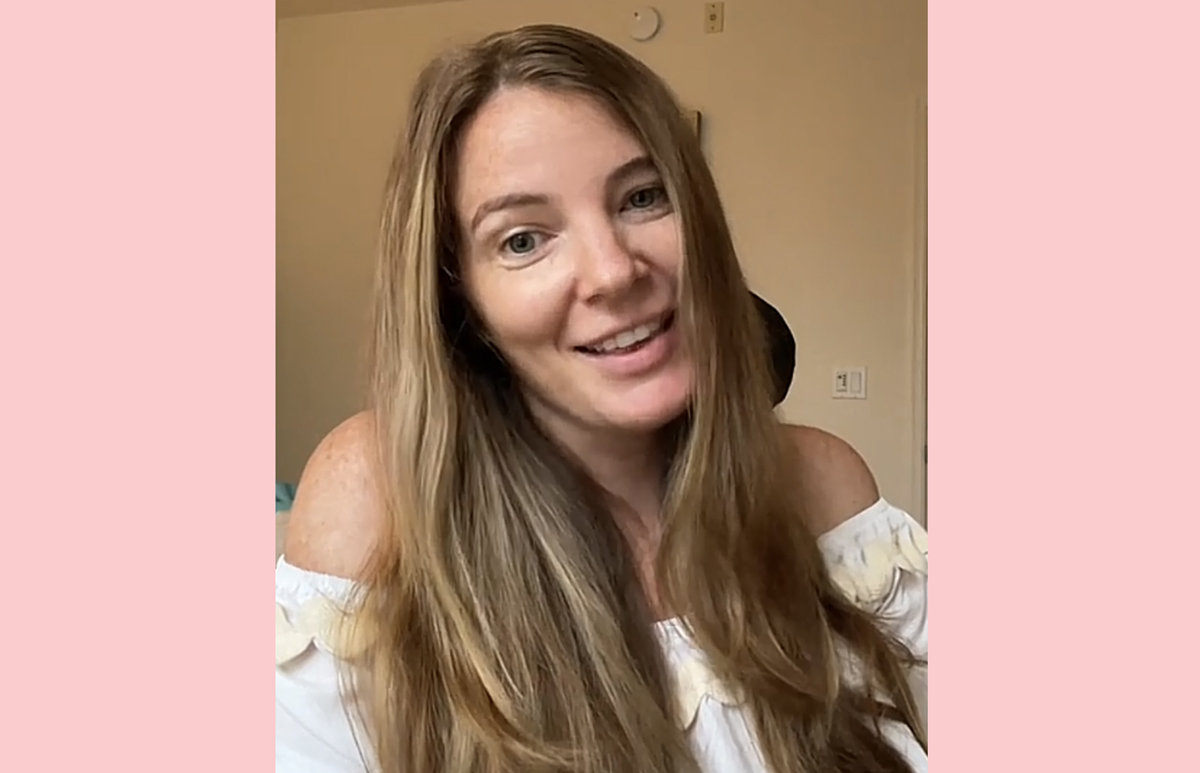
Brooke Eby, the TikTok storyteller who turned a diagnosis into a rallying cry, died at 37, leaving behind a digital legacy that rewrote how we talk about ALS. Her videos, which blended humor, candor and unflinching honesty, drew millions into a conversation that had long been shrouded in silence. In a world where disease narratives are often confined to clinical halls, Brooke’s story exploded across screens, turning a medical condition into a shared experience and sparking a new model for patient‑led advocacy.
The loss reverberates beyond the personal grief of her friends and followers; it echoes across the medical, philanthropic, and social media landscapes. For the ALS community, her impact is twofold: she broke down the stigma that isolation breeds, and she seeded a peer‑support ecosystem that now operates independently of traditional institutions. For digital activists, her model demonstrates how authenticity and vulnerability can mobilize resources, shift public perception, and generate real‑world change—an approach that is already being emulated by creators tackling other chronic illnesses.
In the moments following her diagnosis at 33, Brooke chose a path that few patients take: she turned to TikTok as a platform for storytelling rather than secrecy. Within weeks, her “@limbbroozkit” account boasted a following that would later swell to several hundred thousand, a number that underscores the power of relatable content. By sharing everything from the first tingling in her leg at 29 to the day she was formally diagnosed, she offered a window into the lived reality of ALS, a disease that statistics alone could not capture. Her ability to fuse laughter with the gravity of her condition reframed ALS from a clinical term into a human narrative, making the invisible visible.
Background & Context
ALS, or amyotrophic lateral sclerosis, is a progressive neurodegenerative disease that erodes motor function over a period that averages 3 to 5 years after onset. In the United States, it affects roughly 10,000 individuals at any time, yet public awareness lags behind the urgency of the research community. Before Brooke entered the digital fray, most conversations about ALS were confined to support groups, hospital corridors, or occasional news pieces that tended to focus on the tragedy rather than the resilience of those living with it.
Brooke’s first steps onto the platform came after a diagnosis that arrived in a doctor’s office when she was 33. She chose to narrate the experience in a series of short, unedited clips, letting her audience witness her day‑to‑day challenges—muscle cramps, speech difficulties, and the psychological toll of watching her body decline. The authenticity of her videos—often punctuated by spontaneous jokes about the absurdities of her own condition—resonated so deeply that she quickly amassed a community of millions of followers. In contrast to the often dry tone of traditional advocacy, her storytelling created a visceral connection that prompted viewers to not only watch but to share, comment, and, most importantly, to act.
A pivotal moment in her advocacy was the creation of ALStogether, an online Slack community aimed at giving those with ALS a safe space to share experiences and advice. The community’s simple premise—“people navigating ALS should have a place to find others who understand”—became a reality for thousands. Through this platform, members exchanged tips on managing side effects, organized local meet‑ups, and collectively petitioned for better healthcare policies. The impact of ALStogether is tangible: many participants report feeling less isolated and more empowered, with a notable increase in engagement in clinical trials and research studies.
What People Are Saying
Reactions to Brooke’s passing are as heartfelt as they are widespread. The ALS Network’s president and CEO, Sheri Strahl, reflected on the transformative effect Brooke had on both public perception and patient support, noting that “she changed the way people see ALS, but she also changed the way people living with ALS find and support one another.” Her words echo across the community, where dozens of members have taken to the platform to share personal stories of how Brooke’s videos helped them accept their diagnosis, find humor in hardship, or simply feel seen.
Fans and fellow creators alike have highlighted the unique blend of humor and vulnerability that Brooke infused into her content. One follower wrote that her videos “made the fear feel less like a monster and more like a person who could laugh.” Meanwhile, medical professionals praised the educational value of her content, pointing out how her real‑time demonstrations of symptom progression could serve as a teaching tool for clinicians and patients alike. The reach of her influence was not limited to social media: researchers have cited her videos as part of informal outreach efforts, using them to illustrate the patient perspective during grant applications.
The community’s response has also spurred broader conversations about the role of patient narratives in disease advocacy. By stepping outside the traditional boundaries of medical storytelling, Brooke demonstrated that personal narrative can drive awareness, policy change, and community building. Her story has become a case study in how digital platforms can democratize health communication, giving voice to those whose experiences might otherwise be marginalized.
What Happens Next
The ripple effects of Brooke’s legacy are already shaping the next chapter of ALS advocacy. The ALS Network is reportedly expanding its online outreach, building on the foundation of ALStogether to host more interactive webinars and peer‑support forums. The community’s momentum is evident in its steady growth; new members join daily, citing Brooke’s videos as their introduction to the platform. Funding initiatives inspired by her model have also begun to materialize, with several crowdfunding campaigns aimed at accelerating research into disease-modifying therapies.
Beyond ALS, Brooke’s approach is informing a new generation of creators who tackle chronic conditions through social media. The narrative structure she popularized—combining raw, personal footage with lighthearted humor—has become a template for how patients can communicate their journeys while maintaining authenticity. This model challenges the notion that medical content must be clinical or didactic, opening doors for more diverse voices in health advocacy.
In the broader healthcare landscape, Brooke’s impact underscores the importance of patient‑led communication. Her videos served as a real‑time laboratory for how empathy, humor, and transparency can affect public attitudes, potentially reducing stigma and encouraging early diagnosis. As researchers and clinicians continue to explore this intersection, we may see a shift toward more patient‑centered metrics in clinical trials, as well as increased investment in digital health platforms that facilitate direct patient engagement.
Closing
Brooke Eby’s sudden departure at 37 leaves a void that will be felt far beyond her immediate circle. Yet her legacy endures in the millions who continue to share her story, in the community she forged, and in the cultural shift that brought ALS from the margins into everyday conversation. In an era where digital platforms are often dismissed as transient, Brooke proved that authentic storytelling can forge lasting change, turning a personal tragedy into a collective movement that empowers patients, informs policymakers, and inspires a generation of advocates to speak openly about the conditions that shape their lives. Her story is proof of the enduring power of human connection in the age of screens.
The Bottom Line
As a publication that champions authentic voices, we believe Brooke Eby’s story is a testament to the transformative potential of patient‑led digital advocacy. Her blend of humor and honesty broke the walls of clinical detachment and made ALS a conversation for everyone, not just patients and doctors. The ripple effect—seen in the growth of ALStogether and the increased participation in clinical trials—signals a new era where advocacy is grassroots, data‑driven, and intimately human. It is no longer enough for health organizations to publish statistics; they must listen to the lived experiences that people share on their phones. By amplifying these narratives, we can dismantle stigma, accelerate research, and create communities that support one another. Brooke’s legacy should inspire creators across all platforms to use their voices responsibly, and it should compel healthcare stakeholders to partner with patient communities rather than treating them as subjects. This shift is not optional—it is essential for building a future where every patient’s story is heard, respected, and acted upon.
Reference:
- Official post on Brooke Eby's verified TikTok account
Read more celebrity news at MyWorldPulse.