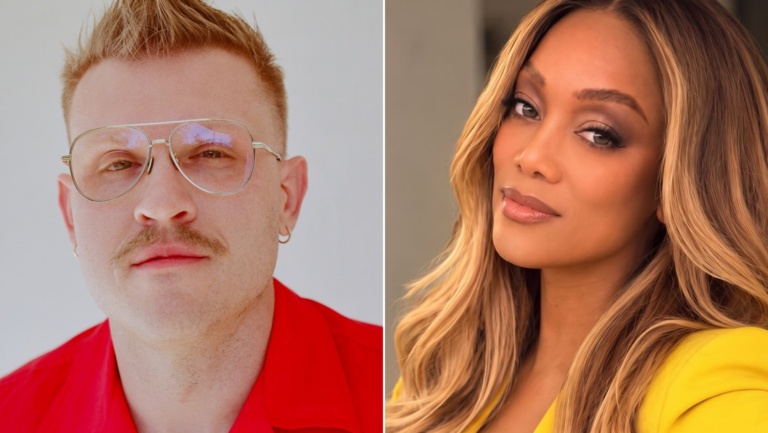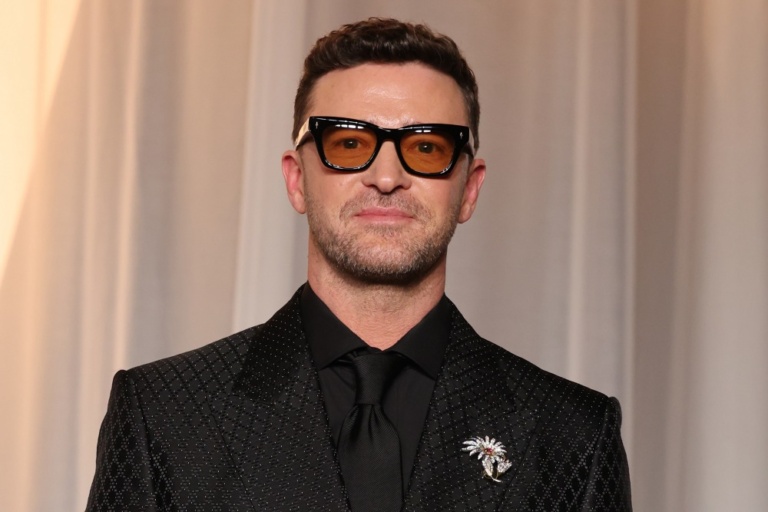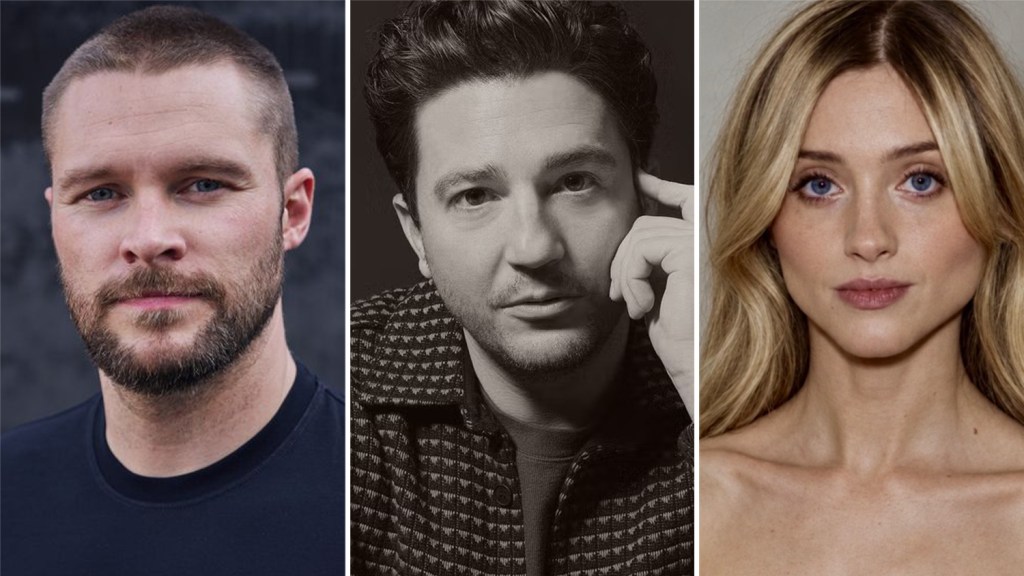
Jack Reynor, 39, has been thrust into a swirling vortex of online speculation after a string of posts claimed he and actress Louise Woodward, 58, were involved in a secret ten‑episode drama that supposedly reveals hidden motives behind their public personas. The tale, which first appeared on an obscure fan forum last month, has since morphed into a meme, sparking both curiosity and concern across social media circles.
Reynor rose to prominence in the early 2000s with a breakout role in The Lovely Bones, while Woodward has been a familiar face in British television, most notably as the enigmatic Mrs. Linton in the 1990s horror classic The Lost Boys. Their careers, separated by a decade and different film markets, had never intersected until the recent online chatter that suggested a clandestine collaboration.
The appeal of the story lies in its promise of intrigue: a clandestine partnership, a hidden agenda, and a decade‑long saga that would illuminate why the two actors behave the way they do in public. In a culture where authenticity is increasingly prized, the notion that their careers might be underpinned by a secret plot is a tantalizing twist that fans find hard to resist.
Background & Context
Jack Reynor’s filmography is peppered with gritty, character‑driven roles. From the bleak streets of The Last King of Scotland to the contemporary romantic tensions in The Little Stranger, Reynor has cultivated an image of a method actor willing to plunge into complex psychological landscapes. His recent work, including a performance in the television drama The Night Manager, has continued this trend, earning him a reputation for depth and intensity.
Louise Woodward, on the other hand, carved her niche in the realm of atmospheric storytelling. Her work in The Lost Boys introduced her to an international audience, and she has since appeared in a variety of British period pieces, such as Poldark and The Crown. Her screen presence often carries an air of quiet strength, a contrast to the flamboyance sometimes seen in Reynor’s roles.
Both actors have navigated the shifting terrain of media exposure, dealing with the pressures of maintaining public images while pursuing artistic integrity. In recent years, the industry has seen a rise in “behind‑the‑scenes” narratives, as actors and directors share more intimate details of their creative processes. Yet no verifiable record of a joint project between Reynor and Woodward exists, and no official announcement has surfaced from either side’s representatives.
The rumor that a ten‑episode collaboration exists falls into a broader trend where internet audiences speculate about hidden alliances, uncredited works, or secret projects. The phenomenon often gains traction through viral posts, comment threads, and the playful nature of fan culture. While many of these theories are later debunked, they provide a window into how audiences consume and reinterpret celebrity narratives.
What People Are Saying
On Reddit, a thread titled “Reynor and Woodward: The Untold Saga” amassed over 12,000 upvotes in less than a week. Commenters dissected screenshots of purported script excerpts, suggesting themes of betrayal and moral ambiguity. Some users drew parallels between the alleged drama’s plotline and real‑life events that have surfaced in the past, such as Reynor’s candid interviews about mental health and Woodward’s public discussions about balancing family and career.
Instagram users posted a mix of speculation and memes. One popular story series featured a reenacted clip of a “secret meeting” between the two actors, complete with dramatic music and captions implying a hidden agenda. These posts were accompanied by hashtags like #ReynorWoodwardSaga and #BehindTheCurtain, which saw a sudden spike in usage.
Twitter threads, while more fragmented, reflected a similar fascination. Several users cited screenshots of a PDF labeled “Episode 1 – Shadows of the Past” and described it as “the most shocking reveal yet.” Others countered that such documents are often fabricated or heavily edited. Without an official source or confirmation from either actor, the conversation remains speculative.
The online discourse has also touched on broader questions about authenticity in the entertainment industry. Fans have voiced concerns about the potential manipulation of public perception through staged narratives. Some commentators argued that the allure of a secret storyline highlights the appetite for drama that eclipses an actor’s actual body of work.
What Happens Next
As the rumor continues to circulate, both Reynor’s and Woodward’s social media accounts have remained silent on the matter. Neither actor has issued a statement, and their managers have not responded to direct inquiries. In the absence of official clarification, the speculation is likely to persist among the most engaged segments of their fan bases.
Industry insiders note that the lack of corroborating evidence makes it improbable that a ten‑episode project has ever been developed. Yet the conversation has reignited interest in both actors’ past projects. Streaming platforms have seen a modest uptick in streams of Reynor’s films following the spread of the rumor, and Woodward’s television credits have likewise experienced a temporary boost.
If the rumor were ever substantiated, it could open a new chapter in the actors’ careers, prompting interviews, documentaries, or even a televised exposé. Until then, the saga remains an intriguing footnote in the complex tapestry of celebrity mythmaking. For now, fans will continue to dissect screenshots, craft theories, and watch their favorite actors navigate the liminal space between fact and fiction.
In a world where every social media post can be interpreted as a hint or a hoax, the Jack Reynor–Louise Woodward story serves as a reminder of the power of narrative. Whether it’s a harmless rumor or a deeper revelation, the intrigue it sparks underscores the enduring allure of the unknown in the public imagination.
The Bottom Line
Our view is that the Reynor‑Woodward saga is less about a hidden narrative and more about the way modern fandoms monetize mystery. By turning an ordinary career into a 10‑episode conspiracy, fans create a marketplace for speculation that can both inflate and distort an actor’s brand. This isn’t the first time a rumor has spurred a temporary spike in streaming numbers, but it does raise questions about the ethics of amplifying unverified claims. As journalists, we must be vigilant in fact‑checking before we sensationalize. For audiences, it’s a reminder that the line between entertainment and misinformation is thin, especially when the stakes involve public image and career trajectory. In the end, the story reinforces that authenticity—real, verifiable—remains the most valuable currency in celebrity culture. It’s up to us to ensure that the chase for drama doesn’t eclipse the art itself.
Reference:
- Jack Reynor's official Instagram post
Read more celebrity news at MyWorldPulse.