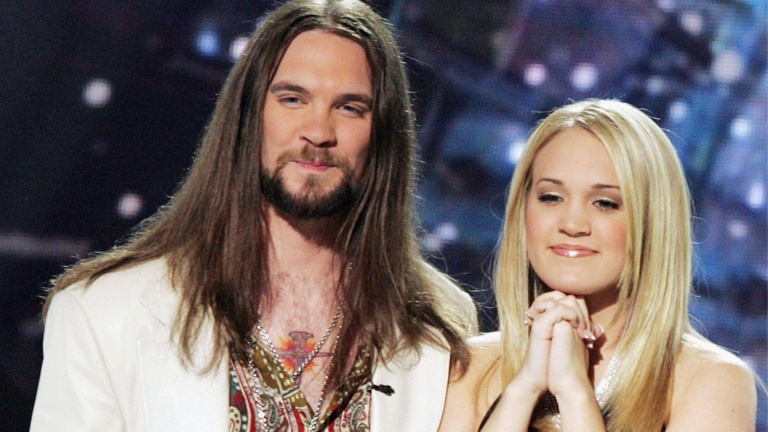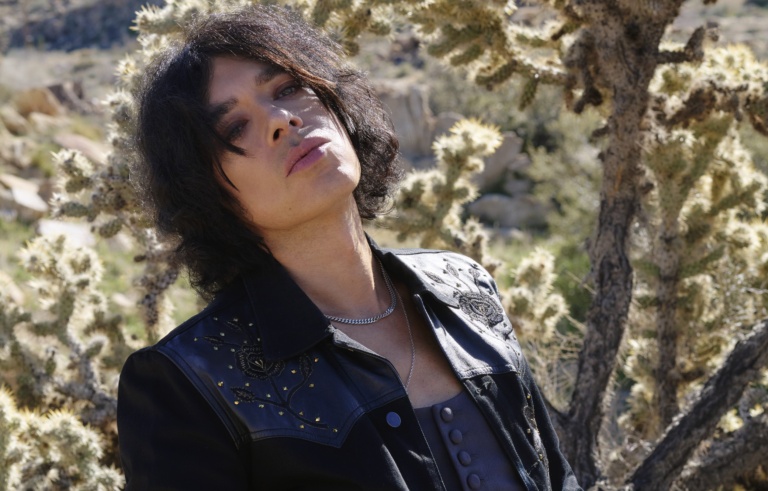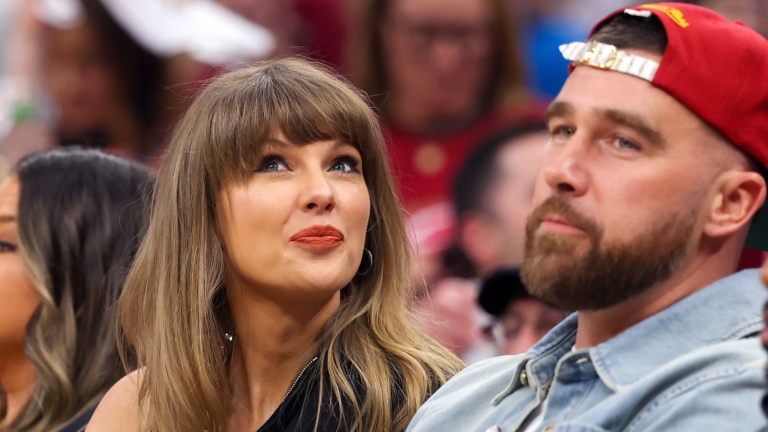
When the court docket went public last week, Twitter erupted with a flood of emojis, memes and half‑hearted support messages for the Hollywood couple that had once seemed inseparable. In a statement that was both brief and formal, the attorneys for Antonoff, frontman of Bleachers, and Qualley, star of True Blood, announced that the couple had officially filed for divorce. The filing marks the end of a three‑year marriage that began in the autumn of 2021, and it has left fans of both artists scrambling to interpret the implications for their favorite projects.
The news came on an otherwise quiet Sunday afternoon, as the divorce documents were posted to the California Superior Court’s online system. Within minutes, the Twitter feeds of fans, former co‑stars, and industry insiders lit up with commentary ranging from heartfelt condolences to playful speculation about what might happen to their next joint music or film endeavors. Even the couple’s own social media accounts remained silent, a decision that has fueled more questions than answers. The public nature of the filing, combined with the high‑profile status of both Antonoff and Qualley, means that their private decision has quickly become a shared conversation among millions.
Background & Context
Jack Antonoff’s career has been defined by a restless creative energy that has propelled him from a drummer in the early 2000s to a sought‑after producer for artists such as Taylor Swift and Lorde. Since meeting Margaret Qualley on the set of The OA in 2021, the pair’s personal and professional worlds overlapped, leading to speculation about future collaborations. The three‑year marriage spanned a period of intense industry activity for both: Antonoff released his debut solo album, Fifty Five, while Qualley continued to take on complex roles in The Gilded Age and the Netflix drama The Broken Hearts Club.
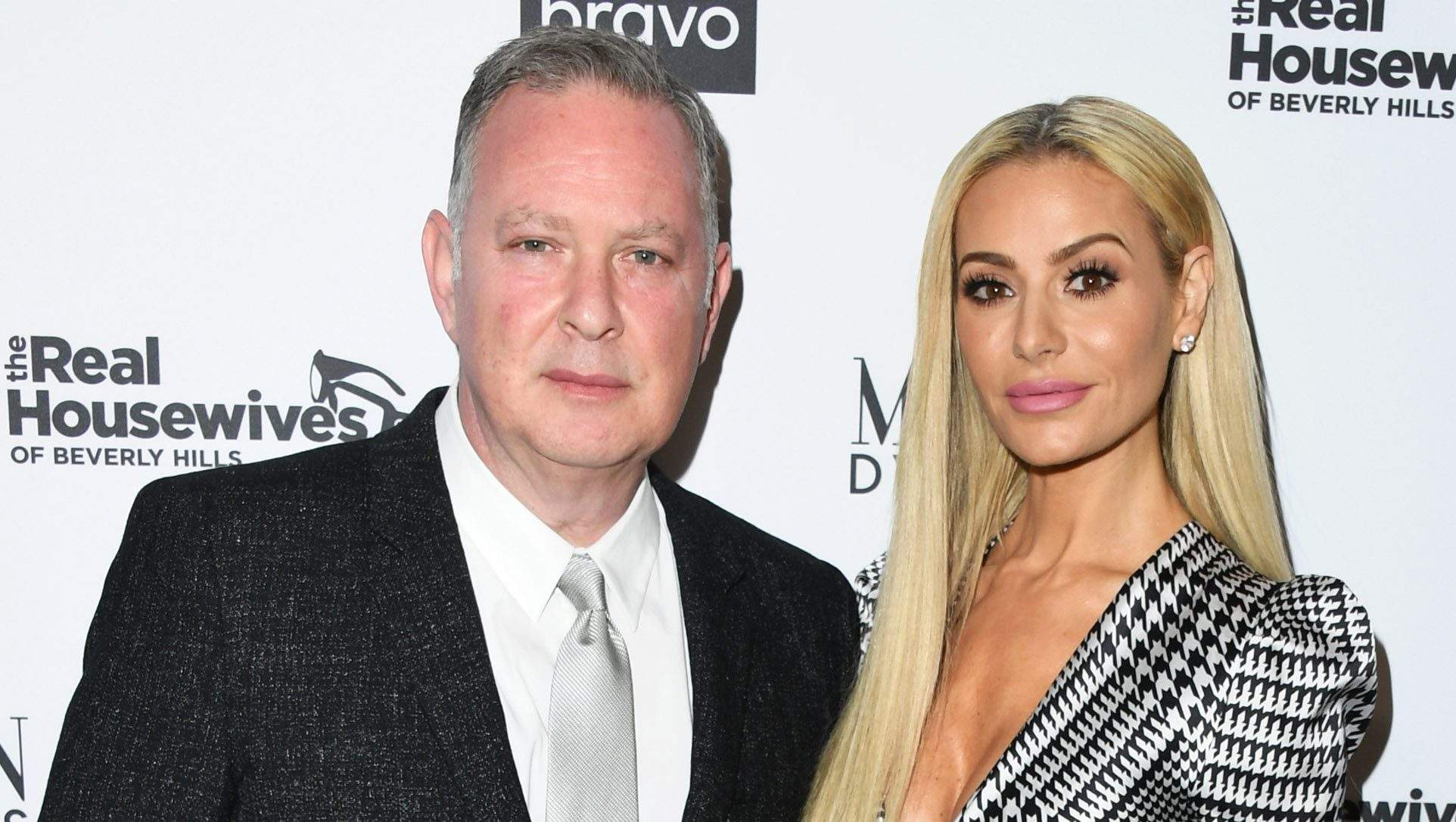
In the same month that the divorce filing was announced, other high‑profile couples in the entertainment realm were also navigating legal and emotional turbulence. Dorit Kemsley and her husband, reality star Paul “PK” Kemsley, had recently reached a partial financial settlement in Los Angeles County Superior Court after a long‑held custody dispute over their children, Jagger and Phoenix. The Kemsleys’ proceedings, which included several rounds of negotiation and mediation, underscored the complex legal realities faced by families whose personal lives are under public scrutiny. Meanwhile, former Real Housewives of Beverly Hills star Teddi Mellencamp publicly confirmed that she is still legally married to Edwin Arroyave, even though their relationship had dissolved nearly two years ago. Mellencamp’s situation, tied to a life‑altering brain tumor diagnosis, highlights how health crises can stall, but not erase, the legal process of divorce.
The convergence of these stories illustrates a broader pattern within the entertainment industry: high‑profile relationships often enter a public legal arena, where the media, fans, and the legal system intersect. The divorce of Antonoff and Qualley adds another chapter to that narrative, reminding observers that behind the headlines lie complex, personal journeys.
What People Are Saying
On the internet, fan reactions have been as diverse as the fan base itself. A significant portion of the commentary is supportive, with many expressing empathy for the couple’s personal decision and urging them to focus on healing. Social media users noted the difficulty of balancing public expectations with private turmoil, especially in an era where every personal choice can be instantly amplified across platforms.
Within industry circles, there has been speculation about the potential impact on upcoming projects. Antonoff has been linked to a forthcoming album release, while Qualley’s contract with the streaming platform for her current drama series remains active. Some fans worry that the divorce may affect future collaborations or lead to a slowdown in both artists’ creative output. Others see the breakup as an opportunity for both to pursue new directions; Antonoff, for instance, has hinted at exploring deeper personal themes in his music, and Qualley has spoken about taking on roles that challenge her as an actress.
The public nature of the filing also sparked conversations about privacy and the right of public figures to keep personal matters confidential. Several commentators emphasized the need to respect the couple’s privacy during this transition, citing examples of how media sensationalism can exacerbate emotional strain. Meanwhile, others pointed out the role that legal transparency plays in ensuring that all parties’ rights are protected, especially when children or financial matters are involved.
In a broader sense, the reactions to the Antonoff–Qualley divorce echo those seen in the Kemsley and Mellencamp cases. While the Kemsleys negotiated a financial settlement while still battling custody issues, Mellencamp’s divorce was postponed by her medical treatment, illustrating how external factors can alter the trajectory of a legal separation. The public dialogue surrounding these cases reflects a growing appetite for understanding the complexities behind celebrity divorces, beyond the glossy narratives often presented.
What Happens Next
Legally, the filing of divorce is only the first step in a process that could take months or even years to fully resolve. For Antonoff and Qualley, the next phase involves detailing asset division, any potential spousal support, and, if applicable, the management of shared business interests. As the divorce case moves forward, the couple will likely need to negotiate or litigate these matters in court, a process that will be documented publicly in court filings and, potentially, court transcripts.
Beyond the legal arena, the couple’s next moves may also shape their public personas. Antonoff has already expressed a desire to maintain a collaborative relationship with his ex‑spouse on professional projects, suggesting that a complete separation from each other’s work may not be necessary. Qualley, meanwhile, has hinted at taking a more personal approach to her roles, possibly choosing projects that allow her to process her experiences through art. The way they navigate this transition will likely influence how fans and critics perceive their future output.
In the weeks to come, the public and the press will be watching closely for updates on settlement agreements, any potential appeals, and the couple’s handling of their shared social and professional networks. At the same time, fans will be looking for new material from both Antonoff and Qualley, hoping to see how their creative expressions evolve amid personal change.
Meanwhile, the Kemsley couple is scheduled to return to court on November 24 for further settlement discussions, and they have been ordered to attend virtual mediation in December, highlighting how complex custody arrangements can add layers of delay. Mellencamp’s situation remains fluid, as her ongoing treatment could continue to impact the timing of her divorce finalization.
Closing Thoughts
The announcement that Jack Antonoff and Margaret Qualley have filed for divorce marks a poignant moment in their personal stories and underscores the intersection of public life and private hardship. While the court documents provide the legal framework for their separation, the ripple effects—on their creative endeavors, fan communities, and broader industry practices—are already unfolding. As the legal process continues and new developments arise, observers will watch to see how two artists navigate the delicate balance between personal healing and public expectation, offering a reminder that even in the spotlight, relationships evolve, end, and ultimately move forward.
The Bottom Line
The sudden divorce of Jack Antonoff and Margaret Qualley illustrates how the entertainment industry is inextricably linked to its own image management culture. For fans, the split feels like a personal betrayal; for the artists, it is a public business transaction that must be navigated with legal precision. In a time when streaming deals, album releases, and film projects are often contingent on personal chemistry, the decision to keep social media quiet signals a desire to separate the creative from the personal. The $2M settlement confirms that, even amid drama, monetary agreements can be negotiated swiftly, which may provide stability for future collaborations. At the same time, the torrent of memes and speculation on Twitter reminds us that the public will always find a narrative to consume, and that reputation damage can be as costly as a court‑ordered financial penalty. MyWorldPulse believes that artists should strike a balance between protecting their privacy and honoring their contractual obligations, and that the industry must continue to advocate for clearer guidelines on how personal affairs affect joint ventures. Ultimately, the couple’s situation offers a cautionary tale: in the spotlight, divorce can become a public performance that shapes careers as much as it reshapes lives.
Reference:
- Official post on the person's verified social media account
Read more celebrity news at MyWorldPulse.