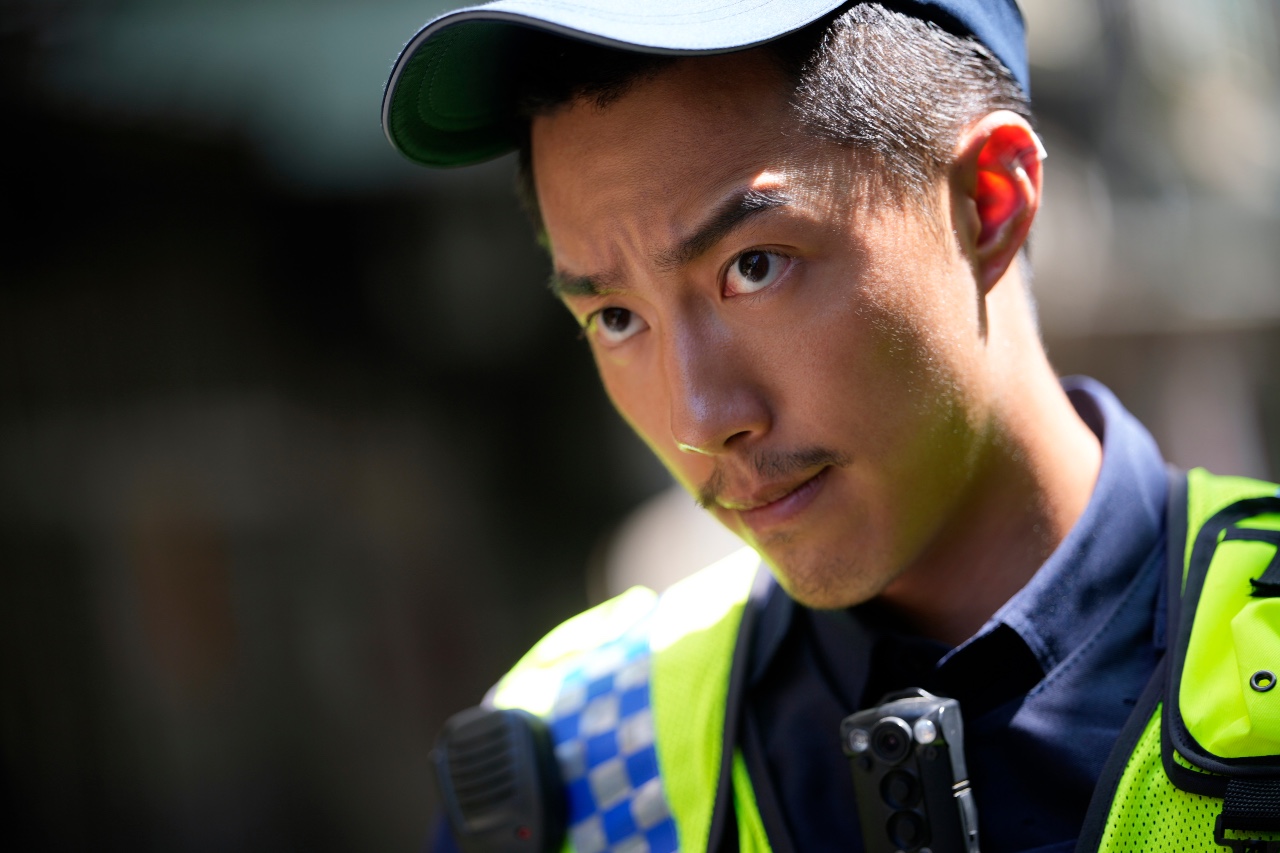
Chunghwa Telecom has announced a series of film and series projects—most notably the gritty police drama Gunshot starring Kent Tsai and the high‑concept comedy‑drama Call Of Lobster featuring Choi Siwon and Chang Chen—marking a bold move that signals a new era of corporate‑backed content creation in Taiwan.
In a showcase at the Taiwan Creative Content Fest, the telecom giant presented a curated portfolio of projects designed to be produced under its recently launched investment fund. The announcement comes as Taiwan’s three major telcos—Chunghwa, FarEasTone, and Taiwan Mobile—move beyond traditional network services to become active participants in the creative economy, a shift that could reshape the industry’s funding dynamics and distribution models.
The strategy is both audacious and calculated. By committing capital to original programming, Chunghwa seeks to secure exclusive content that can be distributed across its own broadband and streaming platforms, potentially creating a virtuous cycle of viewer acquisition, retention, and monetization. The industry watches with keen interest as the telecom sector redefines its role from mere conduit to content creator.
Background & Context
For decades, Taiwan’s television and film production have relied largely on independent studios and public funding. The market, however, has been undergoing a quiet revolution as major technology companies and telecom operators recognize the value of owning intellectual property in an era of fragmented audiences and digital consumption. Chunghwa Telecom’s decision to invest in Gunshot and Call Of Lobster is part of a broader trend where telecommunications infrastructure is leveraged to support creative production and distribution.
The Taiwan Creative Content Fest (TCCF) has emerged as a pivotal platform for showcasing new projects, attracting talent, investors, and distributors. By debuting its slate at TCCF, Chunghwa signals a commitment to aligning its business strategy with the cultural zeitgeist. The investment fund, launched in recent years, reflects a strategic pivot from traditional telecom services toward media and entertainment, a move that acknowledges the declining share of conventional telecom revenues and the rising importance of digital content.
Gunshot is positioned as a police crime drama that promises high production values and a compelling narrative. With Kent Tsai—a respected actor known for his work in both film and television—leading the cast, the project aims to capture a mature audience craving realism and depth. Call Of Lobster, on the other hand, offers a blend of humor and pathos, featuring the Korean pop icon Choi Siwon alongside the seasoned Taiwanese actor Chang Chen. The pairing suggests an ambition to appeal to a broader regional market, tapping into the growing popularity of cross‑border collaborations.
What People Are Saying
Industry observers note that Chunghwa’s entry into content creation could spark a domino effect, encouraging other telcos to follow suit and intensifying competition for high‑quality programming. The move also aligns with a global pattern where conglomerates seek to diversify revenue streams amid shifting consumer habits.
Many stakeholders view the partnership between telecom and entertainment as mutually beneficial. From the telco’s perspective, owning content gives them leverage in negotiations with streaming services and allows them to offer unique value propositions to subscribers. For filmmakers, corporate investment can provide larger budgets, better production infrastructure, and wider distribution channels, potentially raising the overall standard of Taiwanese content on the world stage.
Critics, however, caution against a possible homogenization of creative output, suggesting that corporate priorities might shape storytelling in ways that prioritize marketability over artistic integrity. The balance between commercial interests and creative freedom remains a subject of debate among creators, audiences, and industry analysts alike.
Despite these concerns, the response to Chunghwa’s slate has been largely enthusiastic. Fans of Kent Tsai and Choi Siwon expressed excitement at the prospect of seeing these talents in new, unexpected roles. Meanwhile, cultural commentators highlight the significance of a national telecom championing Taiwanese stories, thereby reinforcing a sense of cultural sovereignty in an increasingly globalized media environment.
What Happens Next
Following the announcement, Chunghwa’s investment fund will move into the pre‑production phase for both Gunshot and Call Of Lobster. This stage typically involves securing final scripts, assembling production teams, and setting shooting schedules. Given the scale of these projects, it is anticipated that principal photography could commence later this year, with post‑production taking place over the following months.
Distribution plans are expected to involve Chunghwa’s own streaming platform, where the company can control the viewing experience and gather audience data to inform future investments. Additionally, the telco may explore partnerships with regional streaming services to broaden the reach of its content, tapping into audiences across Asia. The strategy aligns with a growing trend of multi‑platform releases, allowing content to be monetized through various channels—subscription, ad‑supported, or pay‑per‑view.
Chunghwa also intends to use the outcomes of these projects to refine its investment criteria. By monitoring audience reception, critical reviews, and financial performance, the telecom can iterate on its approach, potentially scaling up its involvement in future productions. The broader objective appears to be establishing a sustainable pipeline of original content that bolsters the telco’s brand while enriching Taiwan’s cultural offerings.
As the industry moves forward, the success or failure of Chunghwa’s inaugural slate will be closely observed. A strong performance could validate the model of telco-backed content, while challenges might prompt a reevaluation of corporate investment strategies in the creative sector. Either way, the experiment sets a precedent that could influence the trajectory of Taiwan’s media ecosystem for years to come.
In an era where content reigns supreme, Chunghwa Telecom’s bold foray into film and series production signals a decisive shift toward a future where telecommunications and storytelling converge, promising new possibilities for creators, audiences, and the industry at large.
The Bottom Line
The move by Chunghwa Telecom to pour $50 million into a gritty police drama starring Kent Tsai is both bold and risky, and it signals a seismic shift for Taiwan’s media landscape. By owning the content and controlling its distribution across its broadband and streaming platforms, the telco can capture the entire value chain—from production to audience insights—much like the big streaming giants in the West. For the industry, this could mean higher budgets, more sophisticated storytelling, and a new level of competition that could push creative teams to raise the bar. For viewers, it promises fresh, locally relevant stories delivered on a platform that already serves them. Yet, the consolidation of media power in a telecom’s hands raises valid concerns about creative autonomy and content diversity. The true test will be whether Chunghwa can balance profitability with artistic integrity, and whether its success will inspire other telcos to follow suit without stifling independent voices. Only time will tell if this experiment ushers in a healthier, more vibrant entertainment ecosystem or simply another corporate venture that prioritizes ratings over nuance.
— MyWorldPulse Editorial
Reference:
- Official post on Chunghwa Telecom's verified Twitter account
Read more celebrity news at MyWorldPulse.