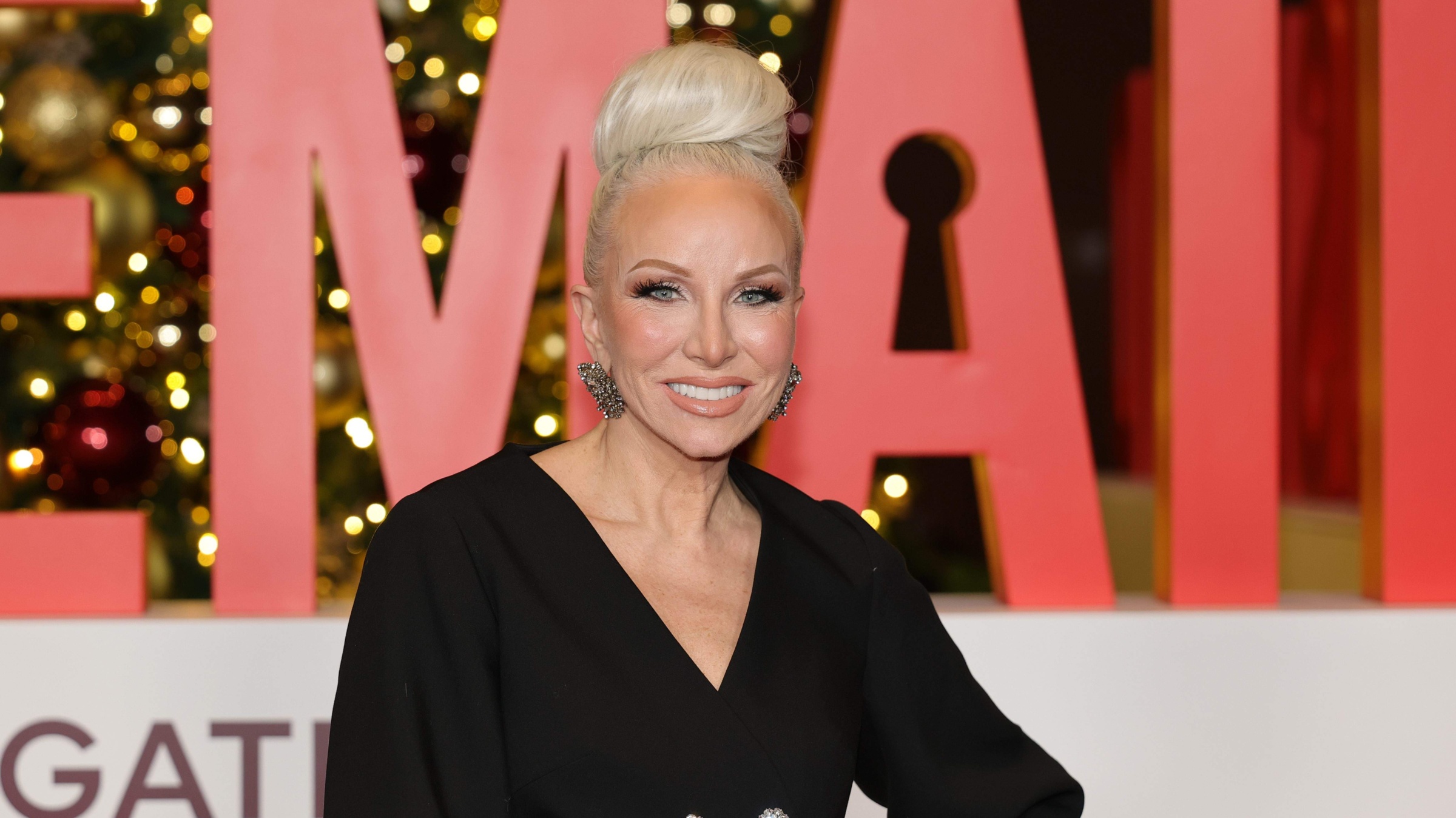
In a surprising reveal on SiriusXM’s “Jeff Lewis Live,” Margaret Josephs admitted that a 5‑minute pride parade she hosted never made it into the final episode of The Real Housewives of New Jersey. The footage, filmed during a local celebration, was cut by producers who claimed that her “story‑driving” role left little room for personal moments.
During the November 16 episode, Josephs sat across from long‑time cast member Dolores Catania and producer Jeff Lewis. The conversation veered from the day‑to‑day drama of reality TV to the unseen corners of the cameras. Josephs confessed that the show had captured her with her family, stepping onto a street lined with rainbow banners, and even a heartfelt speech she delivered to the crowd. Yet the editors chose to keep that segment off‑air, citing time constraints and a focus on the ensemble’s conflict. She said, “I think my personal stories were never told,” and the audience was left to wonder what else was lost.
The omission raises a larger question about the narrative that reality‑tv producers craft. When a charismatic figure like Josephs is positioned as a catalyst for other cast members’ arcs, the editors often trim out the softer, more intimate moments. The result is a show that feels like a scripted drama more than a window into the lives of its subjects. Josephs’ revelation also underscores the power editors wield over public perception, especially when personal achievements—like a community pride celebration—are excised from the final product.
Background & Context
The editing room is where raw footage meets the show’s storyline. Producers, on location, jot down “story‑breakers” and highlight emotional beats before the footage even hits the network’s servers. Jeff Lewis explained that this pre‑screening process helps editors decide which moments best advance the overarching narrative. In the case of RHONJ, Josephs’ role was to keep the cast’s relationships dynamic, which meant that time was often allocated to conflicts or high‑stakes negotiations rather than family gatherings.
This process isn’t unique to reality TV. Filmmaker James Gray, who shot a fan letter to Francis Ford Coppola as a teenager, later recalled Coppola’s simple yet profound reply: “Be personal, James. There’s only one of you in this world.” That advice became a cornerstone of Gray’s work, inspiring him to pursue stories that foregrounded authentic, intimate human experiences. Like Josephs, Gray’s early career was shaped by mentors who emphasized the importance of personal narrative—a theme that echoes across the entertainment industry.
Both stories illustrate how content creators wrestle with balancing individual authenticity against commercial storytelling. In the 90s, a 20‑year‑old letter sparked a lifelong career, while in the 2020s, a 5‑minute parade vanished from a prime‑time reality series. The shared lesson? The stories we tell—and those we don’t—define how audiences remember us.
What People Are Saying
Josephs’ candid admission was met with surprise from fans who had long speculated about missing personal scenes. “You cut out stuff with my family. You cut out a big pride event I did,” she said, her voice a mix of frustration and acceptance. Dolores Catania, who attended the parade, echoed the sentiment, describing the event as “one of the most positive moments of the year.” She added that the lack of airing had left her feeling that her own contribution to the show’s narrative was undervalued.
On the other side of the conversation, James Gray reflected on Coppola’s letter during a recent interview. He explained that the advice nudged him toward a filmmaking approach that prized authenticity over spectacle. “I still carry that letter,” Gray said, “and it reminds me that every character I write is a real person, not just a plot device.” His career trajectory, from indie projects to feature films, underscores how a single piece of guidance can alter a creative path.
Audience reactions on social media were mixed. Some viewers praised the producers for maintaining the show's focus, while others lamented the loss of depth. Critics of reality TV argue that the genre has long prioritized drama over genuine representation, and Josephs’ disclosure adds fuel to that debate. Meanwhile, Gray’s experience has resonated with filmmakers and screenwriters who see the value in “personal” storytelling, reinforcing the idea that authenticity can be a powerful draw.
What Happens Next
In the wake of her reveal, Margaret Josephs has expressed a desire to share more about her family and community engagements. While she acknowledged the constraints of the show’s format, she hinted at potential future projects—perhaps a behind‑the‑scenes special or a short film that documents the parade she missed. She also noted that, “you cut out stuff with my family. You cut out a big pride event I did,” but the footage is still in her possession, giving her a chance to control how it is ultimately presented.
For RHONJ, producers may revisit their editing guidelines to ensure that the cast’s personal narratives receive a fair share of airtime. The network’s decision to keep certain segments off‑air is part of a broader strategy to balance drama with character development, but Josephs’ comment could spark a reevaluation of that balance.
As for James Gray, the influence of Coppola’s advice remains evident in his upcoming projects. With a slate that includes a feature film about a small‑town community and a documentary series on personal storytelling, Gray intends to carry the lesson of authenticity into each new endeavor. His experience serves as a reminder that, in an industry that thrives on spectacle, the most compelling stories are often those rooted in genuine human experience.
Margaret Josephs’ expose has already opened a conversation about who gets to tell their own story on television, while James Gray’s recollection of Coppola’s words underscores the timeless power of personal perspective. Together, they remind us that the stories we choose to share—and those we leave on the cutting room floor—shape not only our careers but the cultural narrative itself.
The Bottom Line
The Real Housewives franchise has long prided itself on exposing the private lives of its cast, yet the deliberate erasure of Margaret Josephs’ pride parade reveals a troubling industry practice: privileging spectacle over substance. When editors excise moments that celebrate community, diversity, and authenticity, they not only dilute the show's cultural relevance but also betray the very audiences who have invested in these women’s journeys. This episode should force producers to confront a stark reality—every decision to cut a scene sends a message about whose stories matter. Reality television thrives on relatability; by sidelining genuine milestones, networks risk alienating viewers seeking meaningful representation. Moving forward, RHONJ must consider more inclusive editorial guidelines that allow authentic personal narratives to coexist with the drama that sells. Only by doing so can the franchise maintain its credibility and resonate with an increasingly conscientious audience. —MyWorldPulse Editorial Team
Reference:
- Official post on Margaret Josephs' verified social media account
Read more celebrity news at MyWorldPulse.