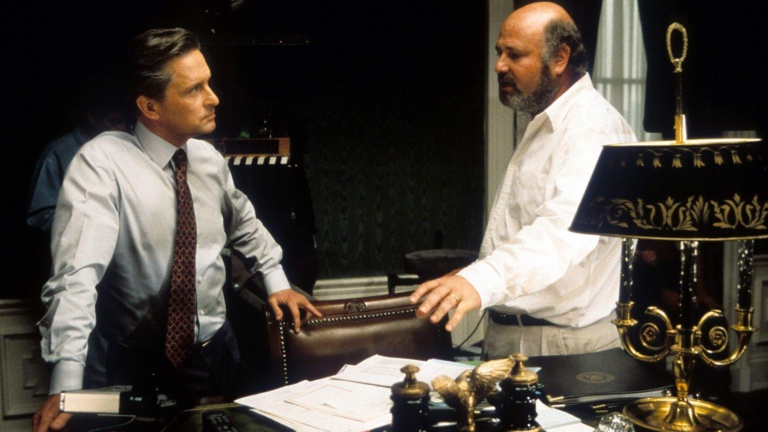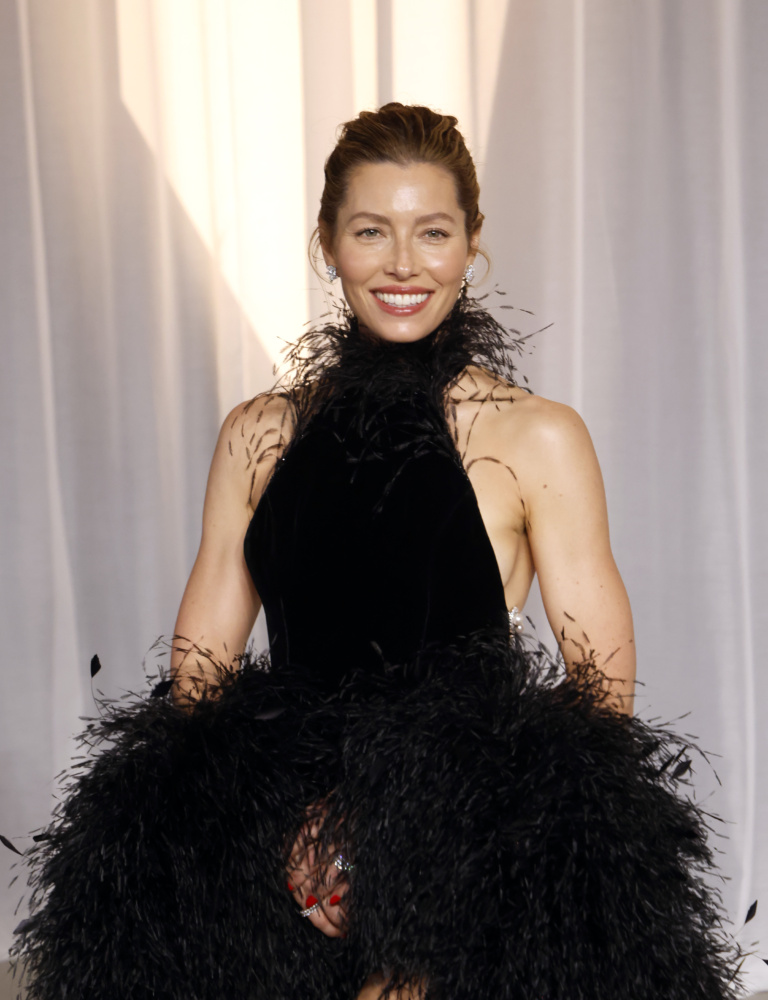
Matt Damon, 56, confessed that the relentless demands of starring in Christopher Nolan’s The Odyssey left him disconnected from his own daughters, a revelation that echoes a broader pattern of how Hollywood’s biggest names juggle fame and family. In the same breath, Princess Catherine, 44, opened up about the isolation she felt after her cancer diagnosis, reminding us that the weight of public life can turn even the most private battles into communal stories.
Both stories unfold at the intersection of celebrity and ordinary human experience. In one case, a blockbuster’s production schedule stretches across continents, siphoning a star’s attention from home. In the other, a royal’s battle with illness is reframed as a shared journey, amplified by a documentary that seeks to bridge personal suffering with collective empathy. Together, they paint a portrait of how the entertainment and royal industries, long praised for their glamour, are now being forced to reckon with the human cost of their high‑profile demands.
Background & Context
Matt Damon’s ascent to superstardom began in the late 1990s with Good Will Hunting, but it was The Odyssey—released in 2023—where he stepped into the role of a Greek hero and faced a production that tested the limits of his personal life. The film’s grueling shoot spanned Morocco, Greece, Italy, Scotland, Iceland, Western Sahara, and Malta, stretching over several months. Damon’s family life, which had thrived on a stable routine, was abruptly interrupted. His wife, Luciana Barroso, and their four daughters—Alexia, 27, Isabella, 20, Gia, 18, and Stella, 16—had to navigate a new rhythm, one where their father was often absent and then returned to a world that had moved on without him.
Princess Catherine’s narrative, meanwhile, is steeped in tradition and public scrutiny. She first disclosed her cancer diagnosis in January 2025, announcing that she was in remission. Yet months later, as part of a forthcoming documentary titled Heal, she reflected on the loneliness that can accompany a serious illness when lived behind the fortress of a royal family. In a candid moment recorded during a gathering of the charity Shine Cancer Support, Catherine said, “I haven’t really explored this outside my family walls, really. So thank you for allowing me the time to do that and the open space to explore that. I really appreciate it, so thank you.” Her words underscore how even a life steeped in public service can feel isolating when confronted with personal adversity.
The two narratives converge on the idea that when life is under constant observation, the boundaries between public duties and private wellbeing blur. Damon’s experience illustrates the emotional toll of maintaining a demanding career while preserving family bonds. Catherine’s experience shows how a life of service can leave little room for the emotional support that comes from being openly vulnerable.
What People Are Saying
Damon’s interview with a media outlet was marked by a frank admission: “The family system that you left has had to learn how to function without you, and then you got to find your place again.” He went on to explain that during the months of filming, the household operated like a traveling circus; “I was away more than I’d ever been.” When he returned, he found his daughters had moved on, picking up new skills and interests that left him feeling blindsided. He even noted how his children would ask him, “You play the cello?”—a reminder that the family’s life had continued in his absence.
Princess Catherine’s remarks were equally powerful. In her documentary footage, she described the sense of isolation that can creep into a cancer journey, even when surrounded by a royal family. Her expression of gratitude to those who had given her a space to open up beyond the palace walls highlighted a need for external solidarity. By sharing that she felt “genuinely, meeting you all here today really means a lot to me because it’s just lovely to be able to share my personal experience, but also hear your stories and be able to connect with others who’ve gone through something similar,” Catherine underscored how her personal struggle became a platform for community healing.
The public reaction to both disclosures has been one of empathy and reflection. Fans of Damon, who have followed his career from Good Will Hunting to The Bourne series and now The Odyssey, have voiced support for his willingness to reveal the emotional costs of his work. Catherine’s fans, drawn from a global audience accustomed to royal protocol, have expressed admiration for her honesty and have praised the documentary’s potential to foster a broader conversation about illness.
What Happens Next
For Damon, the path forward involves balancing the demands of upcoming projects with his renewed focus on family. While he has not publicly announced a specific next role, industry insiders note that he has several scripts lined up, and his experience with The Odyssey may influence the types of roles he chooses—perhaps ones that allow for more flexibility and a return to stability at home.
Princess Catherine’s documentary Heal is slated to premiere in the United States on November 30, with a broader release planned for the following month. Its release may open new avenues for her advocacy, potentially leading to expanded support for Shine Cancer Support and other charities that provide emotional resources for those battling illness. The documentary’s success could also set a precedent for other public figures, particularly those in the royal or entertainment spheres, to share their personal stories in a more transparent and healing context.
Both Damon and Catherine have set the stage for a broader industry conversation: one that questions whether the relentless pursuit of success should come at the expense of personal well‑being, and how public life can be reimagined to allow for genuine vulnerability. As the entertainment world and the monarchy continue to evolve, these stories will likely serve as touchstones for future discussions about the cost of visibility and the importance of maintaining human connection in the midst of public scrutiny.
In the end, the revelations from a Hollywood star and a royal princess remind us that fame, whether on the silver screen or in a palace, is built on the foundation of ordinary human emotions. When those foundations are shaken, the ripple effects are felt far beyond the individual, touching audiences and audiences alike with a renewed appreciation for the fragile balance between public persona and private life.
The Bottom Line
The revelations from both Matt Damon and Princess Catherine are not isolated anecdotes; they are bellwethers of a broader cultural reckoning. As audiences grow more invested in the humanity of those they idolize, the industry must prioritize mental health and flexible working arrangements. Studios that allow actors to negotiate location schedules and maintain regular family time will not only reduce burnout but also foster creative authenticity. Likewise, royal households and their advisors should institutionalize support systems that honor the dignity of personal struggles, turning potential scandals into platforms for advocacy. In an era where every moment is live‑streamed and every sentiment dissected, the ability to blend public performance with private self‑care is no longer optional—it is essential. MyWorldPulse stands with the belief that the path to sustainable fame lies in honoring the human cost that often goes unseen behind the glitz and grandeur.
Reference:
- Matt Damon’s official Instagram post
- Princess Catherine’s official social media announcement
Read more celebrity news at MyWorldPulse.