Mirzapur Tops a Decade of Streaming While New Show Orders Falter
In a striking twist, the gritty crime drama Mirzapur surged to the top of Indian streaming’s most watched titles over the last ten years, even as the number of fresh shows and seasons ordered by major platforms has dipped for two consecutive years, a trend that has left fans and creators alike wondering what the future holds for the industry’s next binge‑worthy hits.
The data, pulled from a comprehensive study of viewer trends on a leading film‑review site, shows that interest in Indian content has jumped roughly 17‑fold since 2014, with search queries and watch‑time metrics reaching heights that were unimaginable a decade ago. Yet, in a paradoxical shift, the volume of new commissions from giants such as Netflix, Amazon Prime Video, Disney+ Hotstar, and others has fallen steadily in 2023 and 2024. The surge in curiosity and consumption comes against a backdrop of tighter budgets and shifting strategic priorities that are reshaping the way stories are crafted for the screen.
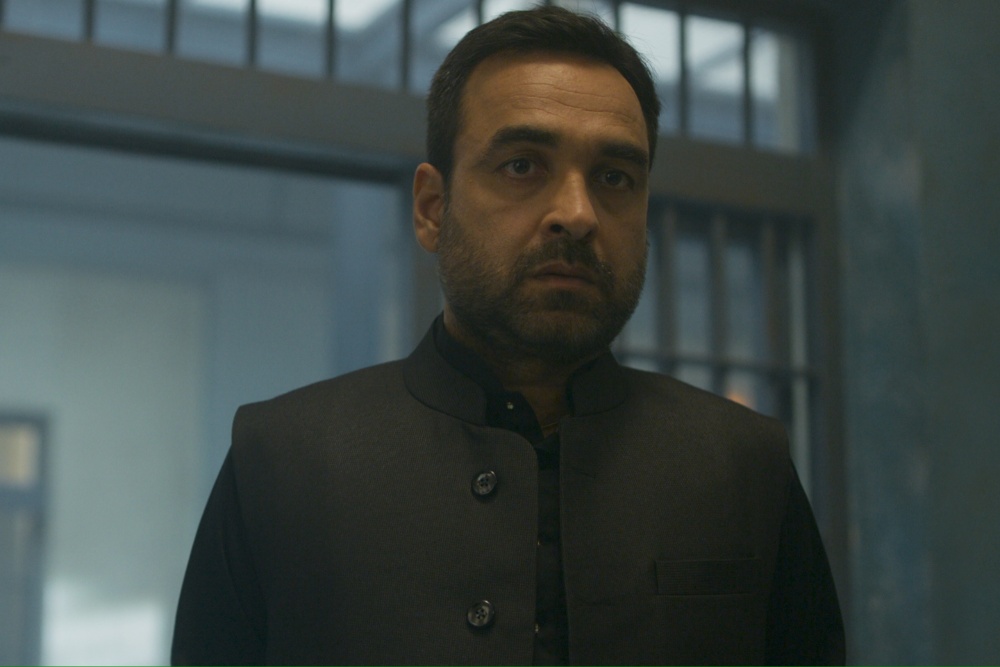
The rise of Mirzapur as the marquee title in this decade‑long analysis underscores the cultural resonance of its raw storytelling, star‑power cast, and relentless pacing. When the series debuted in 2018, it quickly carved out a niche that transcended regional barriers, drawing in audiences across the subcontinent and beyond. Its ascent to the pinnacle of popularity is proof of the way contemporary Indian narratives are resonating globally, reinforcing the notion that a well‑told story can outshine even the most polished productions.
Yet, the decline in new show orders hints at a maturing market. Early in the streaming boom, platforms were aggressively courting local talent and producing a high volume of content to build user bases. Now, with the saturation of titles and the challenge of maintaining subscriber growth, many providers are focusing on a more selective approach—investing heavily in a few flagship projects while letting go of the risk‑laden mass‑production model. This shift, while potentially leading to higher‑quality offerings, could also signal a bottleneck for fresh voices and experimental formats in the Indian streaming space.
Background & Context
The past decade has seen an explosion in the consumption of Indian entertainment on streaming platforms. Back in 2014, when broadband penetration was still in its infancy in many parts of the country, most viewers turned to traditional television and cinema. Over the years, the combination of affordable smartphones, 4G networks, and data‑driven pricing models opened the floodgates for digital streaming, turning the nation into one of the world’s most voracious online audiences.
A key driver of this growth has been the increasing appetite for indigenous stories told with global production values. Indian audiences began to demand content that reflected their realities while also appealing to a broader diaspora. This demand was met by a surge in locally produced shows that offered fresh narratives, from historical epics to contemporary dramas, culminating in the worldwide phenomenon of Mirzapur. The show’s raw portrayal of crime, politics, and power dynamics resonated with viewers, propelling it to the top of the list of most‑watched Indian titles in the decade’s data set.
Despite this surging viewership, the numbers behind new commissions tell a different story. In 2023 and 2024, several major streaming services reported a noticeable drop in the number of fresh shows and seasons they green‑lit, even as they increased investment in long‑running originals and international collaborations. Analysts suggest that the reason behind this decline lies in a combination of heightened production costs, intensified competition for viewer attention, and a strategic pivot toward high‑return titles rather than a broad slate of content. As a result, the creative landscape is tightening, with fewer opportunities for emerging writers and producers to break into the market.
What People Are Saying
Among the fan community, the news of Mirzapur’s triumph sparked a wave of nostalgic reverence. Social media threads buzzed with discussions about the show's unforgettable moments, from the infamous “Khaki” scenes to the chilling line, “It’s a jungle out here.” Fans marveled at how the series seemed to anticipate the evolving tastes of viewers, offering a blend of grit and nuance that set it apart from more formulaic dramas.
Meanwhile, industry insiders and content critics offered a mixed response to the decline in new commissions. Some argued that a focus on fewer, higher‑quality projects could lead to more sustainable growth, while others warned that the reduced output might stifle creative diversity. They pointed to the success stories of niche productions that have carved out dedicated audiences, suggesting that the market might shift toward a hybrid model where boutique creators receive support from larger platforms on a per‑project basis.
Social commentary also highlighted the impact of this trend on the representation of marginalized voices. With fewer slots available for fresh shows, there is a growing concern that stories from under‑represented communities may be sidelined in favor of mainstream, high‑budget productions. The conversation around inclusivity and diversity within the streaming ecosystem has thus become more urgent, prompting stakeholders to rethink how to balance commercial viability with cultural responsibility.
What Happens Next
Looking ahead, the industry appears poised for a recalibration that prioritizes both quality and strategic partnerships. Streaming giants are increasingly eyeing international co‑productions, leveraging global talent and budgets to create content that appeals to cross‑border audiences while retaining local flavor. The trend toward collaborative ventures could provide a platform for emerging writers and directors to access resources that were previously unattainable, potentially offsetting the decline in purely domestic commissions.
At the same time, the surge in viewer engagement signals that there is still a hungry audience for compelling stories. Platforms may respond by adopting more data‑driven content acquisition strategies, identifying niches that remain underserved, and investing in projects that promise a strong return on engagement metrics. This could lead to a diversification of offerings, with a mix of serialized dramas, limited series, and experimental formats that cater to varied tastes.
For creators, the challenge will be to adapt to a landscape where fewer opportunities mean higher stakes. Those who can blend originality with mass appeal may find new pathways to success, whether through independent streaming services, digital-only platforms, or partnership deals that allow them to retain creative control while accessing broader distribution networks.
In the end, the rise of Mirzapur and the concurrent drop in new show orders paint a paradoxical picture: an audience that is more engaged than ever, yet a content ecosystem that is tightening its reins. The coming years will reveal whether this tension sparks a renaissance of bold storytelling or cements a more cautious, selective approach to what makes Indian streaming truly unforgettable.
The Bottom Line
We at MyWorldPulse see Mirzapur’s dominance not as a victory for storytelling, but as a warning. The platform’s decision to slash new show orders reflects a risk‑averse mindset that could stifle the very creativity that drew viewers in the first place. If streaming giants continue to hand out only a few blockbuster projects, the vibrant tapestry of Indian narratives will fray. It is imperative that these platforms invest in a broader spectrum of voices—regional, independent, and under‑represented—to keep the medium alive and relevant. MyWorldPulse urges that a balance be struck: retain the financial discipline needed to sustain growth while fostering an ecosystem where emerging talent can experiment and audiences can discover fresh, culturally rich content.
Reference:
- Mirzapur Official Twitter
- Netflix 2024 Original Series Green‑Lit Report
Read more celebrity news at MyWorldPulse.