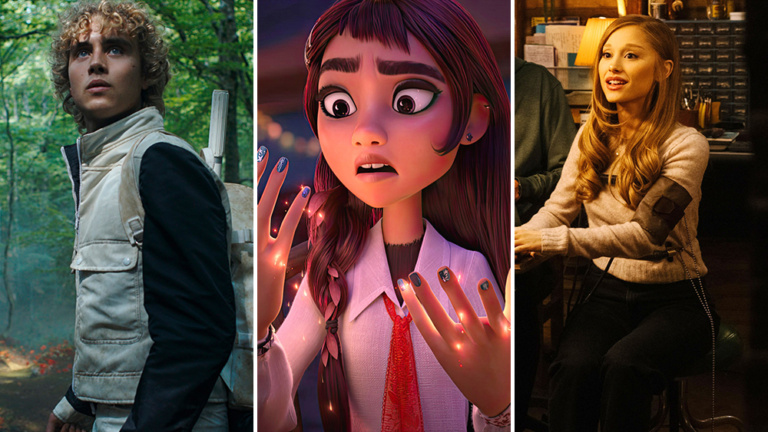
When the first frame of the new film flickered on a screen in the dim glow of a late‑night premiere, the audience’s collective gasp was both a nod to the past and a herald of a future that felt like a long‑awaited reunion. In the early hours of January 2026, a modest but decisive meeting at Lionsgate’s headquarters turned that anticipation into concrete plans: a sequel to Paul Feig’s 2021 hit, The Housemaid, would be carved into the cinema schedule for 2027, and a 3.5‑hour runtime would let the story breathe in a way that the original’s 90‑minute pulse could not. The decision to revisit the house that once held so many secrets was not just a business move; it felt like a family gathering where old friends, both on set and behind the scenes, are invited to share a story that has already lived through its first chapter.
The original Housemaid was a genre‑blending concoction that saw a quiet suburban household turned upside down by a new housemaid who carried more than just a mop. Its blend of comedy, horror, and social commentary struck a chord with audiences, earning praise for its clever script and unsettling atmosphere. The success of that film made it a natural candidate for a follow‑up that would delve deeper into the characters that audiences had begun to love and the mysteries they had begun to suspect. With the sequel now confirmed, the stakes feel higher: the next installment must not only satisfy fans’ nostalgia but also elevate the storytelling to a longer format that can explore the psychological terrain hinted at in the first film.
Background & Context
The road to The Housemaid’s Secret began not in a bright studio, but in a quiet meeting room where Lionsgate executives weighed the risks and rewards of a sequel to a film that, by 2025, had carved out a distinct niche in the horror‑comedy landscape. In January 2026, the green light was given, and the production team began to line up the elements that would bring the story back to life. The director, Paul Feig, who had already proven his versatility with a wide range of projects, returned to helm the sequel, bringing his unique vision to a narrative that had previously felt like a short story in motion. Feig’s decision to accept the green light was reportedly motivated by his affection for the original characters and his desire to expand their arcs into a full‑length feature that could explore the psychological depths of the house’s inhabitants.
While the new film’s core narrative remains rooted in the unsettling dynamics that defined the first movie, it also promises a broader canvas. The sequel’s 3.5-hour length allows for a more expansive exploration of the house’s history and the secrets it keeps. In the original, the tension was built around the arrival of a seemingly innocent housemaid who gradually revealed layers of danger and intrigue. In the sequel, the premise hints at a deeper, more complex backstory: a hidden lineage that connects the maid to the house itself, a lineage that may hold the key to why the house feels so alive. This premise positions the film at an intersection of supernatural lore and human drama, setting the stage for a narrative that can weave humor with genuine suspense.
The production team’s choice to bring back several faces both in front of and behind the camera is a nod to continuity and authenticity. While the original film’s success was bolstered by a talented ensemble, the sequel will benefit from the familiarity of actors who already know the characters’ motivations and dynamics. The return of key crew members—such as the director of photography, the production designer, and the composer—ensures that the visual and sonic language of the franchise will feel both fresh and recognizably cohesive. This blend of new and familiar talent underscores the film’s ambition: to honor its roots while forging a distinct identity that can stand on its own in the competitive summer film market.
What People Are Saying
Word has begun to circulate among industry insiders and early fans alike, hinting at a growing excitement for the sequel. Conversations at film festivals and social media threads suggest that the announcement has reignited curiosity about how Feig will manage the delicate balance between comedy and terror. Critics who remember the original’s sharp satirical edge are speculating that the sequel’s extended runtime will allow for more nuanced character development, potentially offering a richer, more layered satire of suburban life.
The film’s marketing campaign, still in its nascent stages, hints at a strategic focus on both nostalgia and novelty. By positioning the sequel as a continuation rather than a replacement, the campaign taps into the emotional investment of fans who felt a deep connection to the characters. Early buzz also points to a more sophisticated visual style, with reports that the production will employ advanced practical effects to bring the house’s supernatural elements to life. The anticipation is palpable, as fans anticipate whether the film will maintain the original’s balance of dread and absurdity or pivot towards a darker, more immersive horror experience.
The industry’s response has been cautiously optimistic. Analysts predict that the film’s release in 2027 places it in a favorable window, avoiding direct competition with larger blockbusters while still benefiting from the holiday season’s audience surge. The decision to stretch the narrative into a feature-length format is seen as a calculated risk that could pay off by allowing the film to explore themes that were only briefly touched upon in the original. The potential for cross‑platform merchandising—such as themed home décor or streaming specials—also points to a broader revenue strategy that could extend the franchise’s cultural footprint beyond the cinema.
What Happens Next
With the green light in hand and the production schedule rolling, the immediate next steps involve a series of pre‑production activities that will shape the film’s final form. Feig’s team is currently finalizing the screenplay, a task that will require meticulous attention to pacing and character arcs, given the increased runtime. Once the script is locked, the casting process will pick up speed, especially as the director seeks to maintain continuity with the original while also bringing fresh faces that can deepen the story’s emotional stakes.
Location scouting and set design are slated to begin in early summer 2026, with production expected to commence by late 2026. The film’s unique requirement—a house that serves as both a setting and a character—demands a production design that is both detailed and flexible. Feig’s penchant for blending practical effects with creative set pieces will be put to the test as the team creates a house that feels simultaneously familiar and unsettling. The soundtrack will also play a pivotal role, with the original score’s haunting motifs expected to return, reimagined to support the film’s expanded narrative.
The marketing strategy will likely involve a staggered rollout of teaser trailers and behind‑the‑scenes footage, gradually building anticipation in the months leading up to the 2027 release. In the interim, Feig may participate in interviews and panel discussions to keep the audience engaged, offering glimpses into the creative process without revealing spoilers. The film’s distributors, anticipating the summer 2027 window, are also planning a multi‑platform release that could include theatrical screenings, a premium home‑video launch, and streaming availability in the months following the theatrical run. This multi‑channel approach will ensure that the film reaches a broad audience, from die‑hard fans of the original to new viewers drawn by the promise of a fresh, genre‑blending experience.
Closing
As the lights dim on the set and the cameras roll, The Housemaid’s Secret is poised to step beyond the shadows of its predecessor and into a future where the familiar is reimagined, the unknown is explored, and the line between laughter and fear blurs once more. The journey from green light to screen is proof of a creative vision that respects its origins while daring to expand its horizons. For fans of Paul Feig and for anyone who once found themselves both terrified and amused by a seemingly ordinary house, the next chapter promises a story that is both a continuation and an adventure in its own right.
The Bottom Line
At MyWorldPulse, we view The Housemaid’s Secret as a courageous gamble that pays homage to its roots while boldly expanding its narrative horizon. The 3.5‑hour stretch isn’t merely a gimmick; it’s an invitation to dive deeper into the psychological and supernatural currents that made the original resonate. Fans who cherish Paul Feig’s knack for subverting expectations will find the extended runtime a welcome canvas for richer character exploration. Yet, the film’s success hinges on balancing the humor that first captivated audiences with the darker, more immersive tones now promised. If the sequel achieves that equilibrium, it could redefine how horror‑comedy sequels are conceived—proving that length can enhance, not dilute, a genre’s impact. — MyWorldPulse
Reference:
- Paul Feig’s verified Instagram post announcing The Housemaid’s Secret sequel
- Lionsgate’s January 2026 press release greenlighting the 2027 sequel
Read more celebrity news at MyWorldPulse.