When Russell Brand posted a clip from inside a penitentiary, declaring “I’m not guilty,” the ripple effect went far beyond his loyal fanbase. A 17‑minute YouTube upload sparked a public showdown between the entertainer, the Ministry of Justice, and Google’s own policy team—highlighting a growing friction in the digital ecosystem. That friction, in turn, echoes a darker, real‑world crisis that has recently shaken Louisiana: the sudden death of 34‑year‑old Ken Urker, whose toxicology report revealed an obscure, rapidly spreading drug called “rhino.” Together, these events force a reexamination of how platforms handle potentially dangerous content and how they might inadvertently shape the narratives surrounding public health emergencies.
Both stories illustrate a new industry reality: algorithms and human moderators now stand at the intersection of entertainment, law enforcement, and public safety. The case of Brand’s video underscores the fine line that YouTube and its parent company must walk—protecting free expression while honoring legal requests and preventing the spread of misinformation. Meanwhile, the Ken Urker tragedy points to the speed at which illicit substances can proliferate, and how online messaging, whether through unverified posts or sensational headlines, can amplify fear or provide misguided information. As platforms grow ever more influential, the decisions they make regarding content removal—or retention—carry weight far beyond clicks and views.
Background & Context
Russell Brand, a former British comedian turned political commentator, had been incarcerated on a parole violation. While serving his sentence, he filmed a 17‑minute video in which he claimed “I’m not guilty” of the charges that led to his imprisonment. Brand later uploaded the clip to his YouTube channel, sparking controversy among his followers and the broader public. The Ministry of Justice requested Google to remove the content, arguing that it could be considered a violation of privacy or a threat to public order. Google’s legal team reviewed the case and declined the request, stating that no policy had been breached. The platform cited its commitment to transparency and a cautious approach when it comes to user‑generated content that could be interpreted in multiple ways.
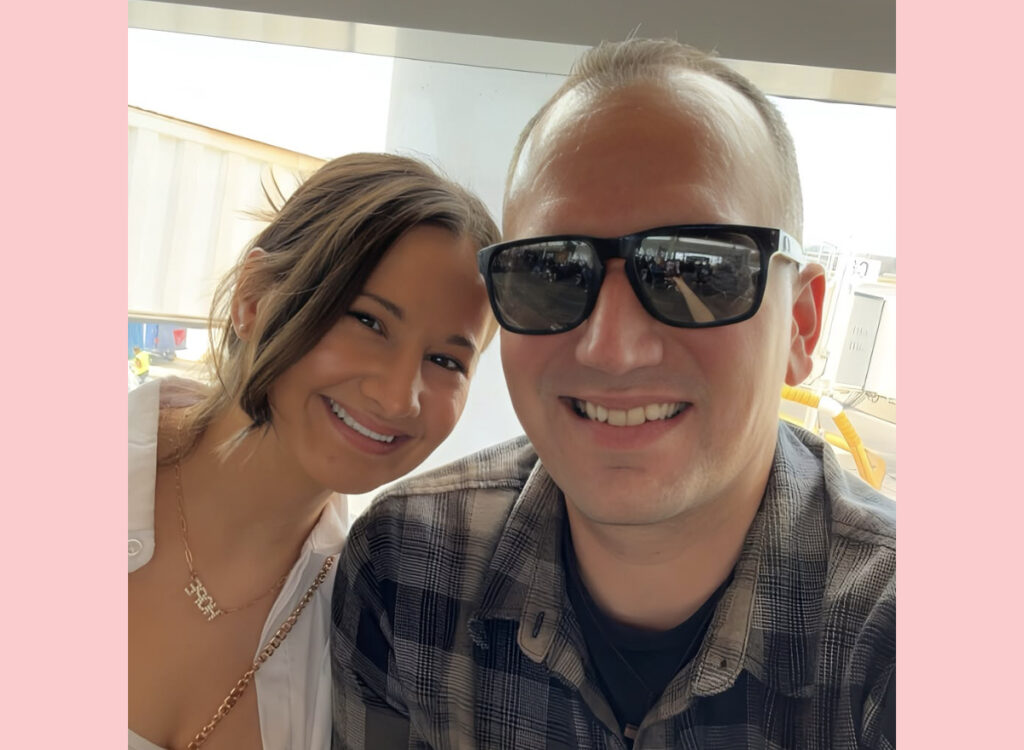
Across the country, another story of tragedy unfolded in Louisiana. Ken Urker, a 34‑year‑old resident of Lafourche Parish, was found dead on October 1 inside his home, with drug paraphernalia and a firearm nearby. Initial reports linked his death to heroin overdose, but a deeper investigation revealed a different culprit. Urker’s mother, Raina Urker, explained that investigators had discovered a blend of fentanyl and medetomidine—an opioid‑like sedative marketed on the street as “rhino.” This potent combination has no reliable antidote and can cause rapid, deep sedation and fatal cardiovascular collapse. The coroner ultimately ruled Urker’s death an accidental polysubstance drug toxicity, and the Sheriff’s Office has continued to investigate the circumstances.
Both incidents are connected through the role of digital communication. Brand’s video circulated rapidly on social media, prompting calls for moderation and legal action. Similarly, the public discourse surrounding Urker’s death was amplified by online posts, many of which spread misinformation about the drug’s identity and treatment. In an era where platforms act as both gatekeepers and amplifiers, the way they respond to such content can either mitigate or exacerbate real‑world outcomes.
What People Are Saying
Within the entertainment industry, reactions to Google’s refusal to take down Brand’s video have been sharply divided. Some vocalists praise the company’s stance as a defense of artistic freedom, insisting that the content, while provocative, does not contain direct instructions for wrongdoing. Others, however, criticize the decision, arguing that a platform hosting a prison‑based confession might inadvertently influence court proceedings or public perception of the case. Legal analysts note that the platform’s decision could set a precedent for future content involving individuals on parole or facing criminal charges.
In the public health sphere, the Ken Urker case has ignited debate about the dangers of unregulated street drugs. Medical professionals emphasize the lethal potential of “rhino,” pointing out that its sedative effects cannot be counteracted by standard overdose treatments like Narcan. Community advocates urge tighter regulation of prescription sedatives that could be diverted to illicit markets. The story also highlights a gap in public awareness: many users online may interpret posts about overdose deaths as general cautionary tales rather than specific warnings about a newly emerging drug. As a result, there is an urgent call for clearer, evidence‑based messaging from both health agencies and social media platforms.
Platform representatives have acknowledged the challenges of moderating content that straddles the boundary between legal controversy and public safety. They underscore a commitment to review policies continually, especially when new, life‑threatening substances surface. Meanwhile, consumer groups argue for greater accountability, insisting that platforms should proactively remove or label content that could mislead audiences about dangerous behaviors. In both cases, the public is increasingly demanding that tech companies take responsibility for the indirect consequences of the content they allow to circulate.
What Happens Next
In the immediate future, Google’s policy team is likely to conduct a more detailed audit of the Russell Brand video, examining whether it falls under any newly emerging content guidelines—particularly those addressing legal proceedings and defamation. The Ministry of Justice may pursue further legal avenues, potentially filing a court order that could compel the platform to remove the clip or face penalties. If the dispute escalates, the case could become a landmark ruling on how user‑generated content that references ongoing legal matters should be treated by tech giants.
Meanwhile, Louisiana authorities are extending their investigation into Ken Urker’s death, focusing on identifying the source of the “rhino” mixture and whether local distributors may have contributed to the spread of this drug. Public health officials are preparing educational campaigns that explicitly mention medetomidine and its risks, hoping to curb the mislabeling of dangerous substances on social media. They are also collaborating with digital platforms to ensure that posts about overdoses are accompanied by accurate medical information and clear references to emergency response resources.
For the wider industry, these two incidents may act as a catalyst for revising content moderation frameworks. Platforms may introduce stricter guidelines for videos involving individuals in legal proceedings, ensuring that they do not influence public opinion or interfere with judicial processes. Simultaneously, health‑related content may become subject to more rigorous verification protocols, with mandatory disclosures when discussing substances that lack FDA approval or that have no established antidote. The convergence of legal scrutiny and public health concerns is creating a new regulatory environment where tech companies must balance free expression, user safety, and compliance with law.
In the months ahead, we’ll likely see more public and governmental pressure on both YouTube and social media giants to adopt clearer, evidence‑based moderation policies. Whether these changes will stem from internal policy shifts, court orders, or public demand remains to be seen. But one thing is clear: the incidents surrounding Russell Brand’s prison message and Ken Urker’s tragic death are forcing a reexamination of how digital platforms shape discourse around crime, law, and health—an intersection that will demand careful navigation as the industry moves forward.
The Bottom Line
The Russell Brand–Google spat and the Ken Urker tragedy serve as a stark reminder that tech giants wield far more influence than they often admit. When a platform chooses to keep a prison‑confession video online, it is not merely defending free speech—it is potentially shaping public perception of a pending criminal case. Similarly, when misinformation about a new, deadly drug circulates unchecked, the cost can be measured in lives. The public and lawmakers are rightfully demanding that companies adopt clearer, more accountable moderation guidelines—particularly for content that intersects with legal matters or public safety. We urge platforms to move beyond reactive takedowns and to invest in proactive, evidence‑based content verification. Only by acknowledging their role as gatekeepers can these firms safeguard both user expression and public wellbeing. The industry must act now, lest it be forced into a legal quagmire that erodes trust and jeopardizes lives.
Reference:
- Official post on Russell Brand's verified social media account
Read more celebrity news at MyWorldPulse.