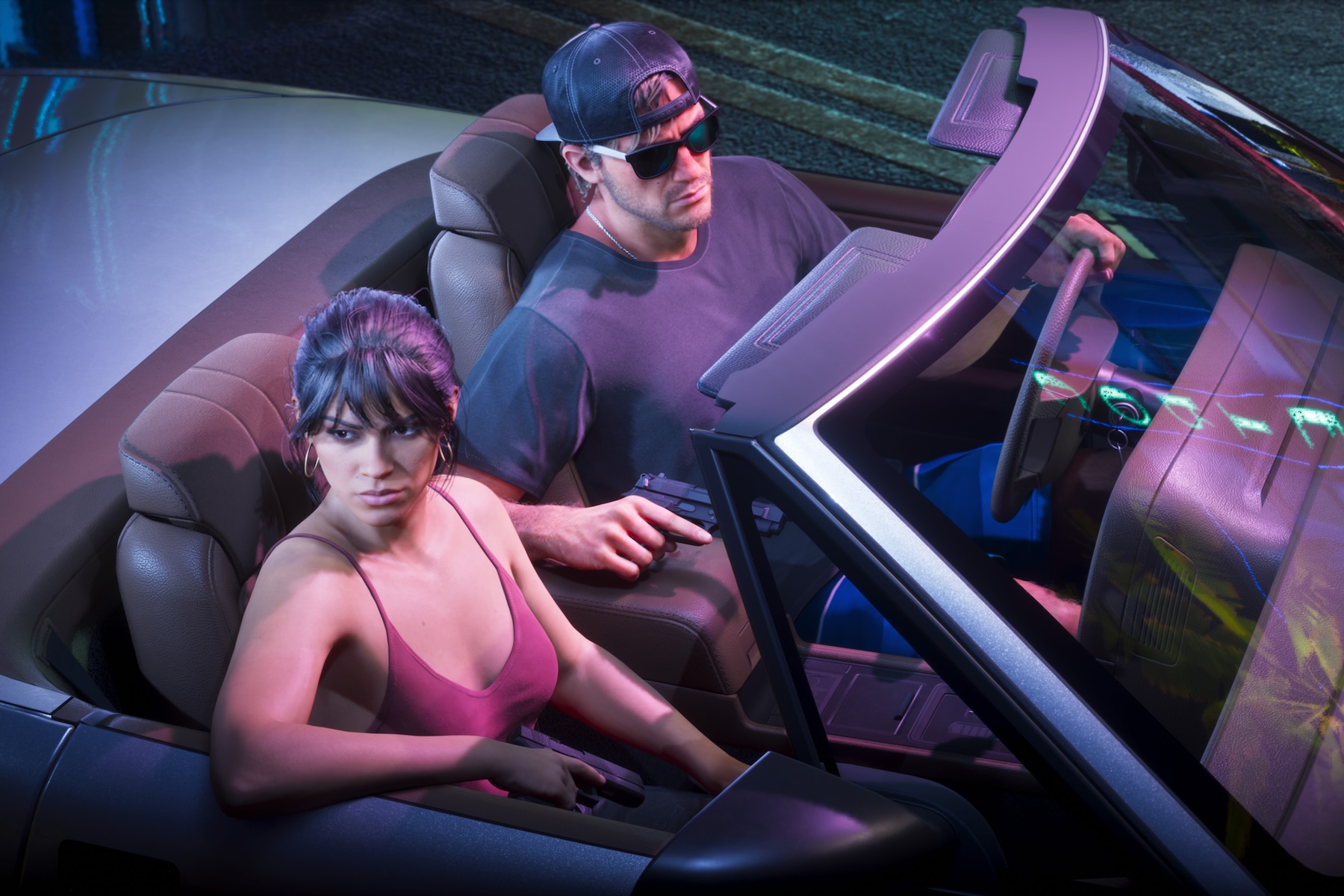
When the first cinematic trailer for “Grand Fictional Auto 6” hit the internet at 8:00 p.m. Eastern, a wave of frantic messages poured into social media, with fans demanding a film adaptation as soon as the game’s release at 10:00 p.m. that same night. The energy was palpable: emojis, memes, and even an impromptu petition amassing over 30 000 signatures in a single hour. It seemed inevitable that Hollywood would scramble for the coveted rights, yet the industry’s response has been unusually quiet.
The franchise that launched in 1997 under Rockstar Games has grown into a cultural juggernaut, boasting more than 400 million copies sold worldwide. Despite its narrative depth, its unapologetic criminality, and its gritty, open‑world design, no feature film or television series has yet materialized. While studios have eyed the potential for a blockbuster, the absence of a definitive adaptation raises questions about what holds the franchise back. Central to the discussion is a statement by Take‑Two Interactive CEO Strauss Zelnick, who has consistently expressed a preference for retaining creative control over the series.
Background & Context
“Grand Theft Auto” emerged as a controversial pioneer in the open‑world genre, blending action‑adventure gameplay with satirical social commentary. Over the years, its narrative arcs have explored the underbelly of American society, often pushing the limits of the Entertainment Software Rating Board. The game’s success has been measured not just in sales but in its cultural footprint: from parodies to political references, the series has seeped into mainstream discourse. Yet, despite this ubiquity, the series remains an unadapted universe on the cinematic map.
Take‑Two Interactive, the parent company of Rockstar Games, has maintained a cautious stance on licensing its intellectual properties. In multiple interviews, Zelnick has emphasized the importance of creative autonomy. He argues that allowing an external studio to reinterpret the world risks diluting the brand’s essence. The company’s history of self‑produced media—such as the critically acclaimed “Mafia” film adaptation and the limited‑run series “The Last of Us”—illustrates a preference for in‑house control or partnerships that preserve the core vision. This approach has worked well for their narrative-driven titles, ensuring fidelity to the source material.
The anticipation surrounding “GTA 6” has amplified the conversation. Fans have drawn parallels to “The Matrix” and “Blade Runner,” citing the game’s noir aesthetic and complex morality as fertile ground for film. Yet the stakes are higher than ever: a cinematic adaptation would command a global box office reach that could eclipse the game’s own revenue streams. The industry’s reticence, therefore, becomes even more intriguing when contrasted with the potential payoff.
What People Are Saying
Online forums and Reddit threads have become hotbeds for speculation. Some commenters praise Zelnick’s vision, noting that “GTA” thrives on its sandbox freedom, which a linear movie format might compromise. Others argue that the franchise’s rich lore offers a treasure trove of characters and storylines suitable for television, particularly in the era of streaming platforms that favor complex, episodic narratives.
Within the industry, whispers circulate about studios preparing bids, with Hollywood executives reportedly eyeing the franchise’s most recent installments for adaptation. Yet even the most vocal fans have taken a step back after the CEO’s latest interview, where Zelnick reaffirmed his preference for internal creative control. This stance has not dissuaded a segment of the audience; instead, it has deepened discussions about artistic integrity versus commercial expansion.
Some analysts point to the series’ history of controversial content as a hurdle. The game’s depiction of violence, drug use, and criminal enterprises pushes the boundaries of family‑friendly entertainment. Translating such material to mainstream cinema might trigger regulatory scrutiny, potentially limiting audience reach. Moreover, there is a legitimate concern that the narrative depth achieved through interactive gameplay might be flattened when adapted to a passive viewing experience.
The fan community’s response, while largely vocal, is surprisingly measured. In the wake of the CEO’s comments, many have turned to creating fan‑fiction and short films, keeping the creative momentum alive without relying on corporate intervention. This grassroots creativity has kept the dialogue alive, ensuring that the conversation about a potential adaptation continues to evolve.
What Happens Next
The next few months will likely see a continuation of fan‑driven initiatives and perhaps a strategic reassessment from Take‑Two Interactive. The company’s focus may shift toward expanding the franchise’s influence through licensing for merchandise, music, and limited‑time events rather than pursuing a large‑scale cinematic venture.
For Hollywood, the current landscape presents an opportunity to negotiate a partnership that aligns with Zelnick’s insistence on creative control. Potential deal structures could involve a co‑production model, wherein Rockstar Games remains the lead creative advisor while a studio handles the logistics and distribution. Alternatively, the industry might wait for a natural evolution within the game’s narrative, using an episodic in‑game storyline that could eventually spin off into a television series, thereby preserving the franchise’s core elements.
Meanwhile, the franchise’s next release will likely continue to push technological boundaries, incorporating higher fidelity graphics, real‑time physics, and more immersive storytelling tools. As “GTA 6” itself draws closer to launch, the conversation about adaptation will likely stay in the periphery, with fans eagerly anticipating the next chapter in the saga, whether on the screen or within the console’s digital horizon.
In the end, the world of “Grand Theft Auto” remains a vibrant, living landscape that thrives on player agency. Whether that agency will translate into the silver screen remains a question only time can answer, but for now, the game’s legacy continues to inspire, frustrate, and entertain a global audience.
The Bottom Line
MyWorldPulse believes that Take‑Two’s protective stance on the GTA 6 franchise is both a defensive business tactic and a missed commercial opportunity. By holding off on a film, the company preserves its creative vision, but it also forgoes a lucrative avenue that could bolster the brand’s reach beyond gamers. Hollywood’s willingness to propose co‑production deals suggests there’s appetite for a partnership, yet the current impasse highlights a fundamental disagreement: can a sandbox, player‑driven game translate into a linear, passive medium without losing its essence? If Rockstar remains rigid, the franchise may become a legend in digital form only, potentially alienating non‑gaming audiences who crave storytelling across platforms. On the other hand, a well‑crafted cinematic adaptation could elevate the series, drawing in new demographics while offering fresh revenue streams. Ultimately, the decision will test whether preserving artistic control outweighs the benefits of cross‑media expansion—a debate that could set precedent for future IP negotiations across the entertainment industry.
Reference:
- CNBC interview with Strauss Zelnick
Read more celebrity news at MyWorldPulse.