The first glimpses of Aaron Sorkin’s new film, The Social Reckoning, have sparked a polarized conversation among reviewers and audiences alike, even as a heart‑shattering tragedy in Japan reminds us that the cultural narratives we consume are often rooted in real, living stories. As the film’s limited theatrical debut approaches, the nation is simultaneously grappling with the loss of eight‑year‑old idol Runa Hirata, whose untimely death has left fans and industry insiders reflecting on the hidden toll of relentless performance schedules.
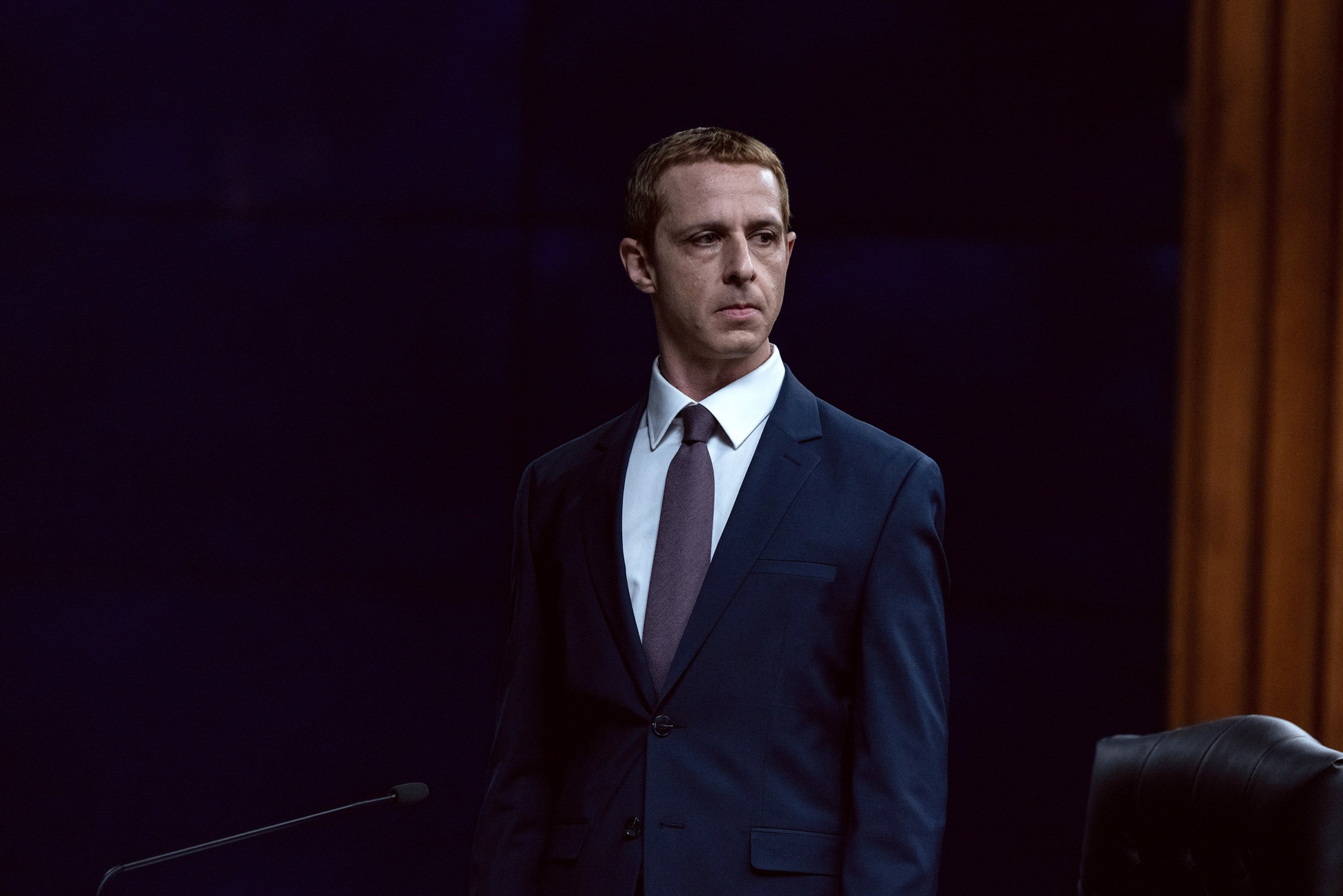
Sorkin, famed for turning the mechanics of technology into intimate human dramas, returns with a script that promises to interrogate the man behind Meta, Mark Zuckerberg, and the seismic shift the platform has wrought on the global conversation. Early press events have seen the film described as a “solid sequel” to The Social Network by some, while others caution that its unflinching critique may leave viewers unsettled. At the same time, the Japanese entertainment world is in mourning, as the DIANNA Project confirms the death of Runa, an eight‑year‑old trainee who had already begun to captivate audiences with her infectious stage presence.
In a week that has become a crucible of artistic ambition and human fragility, the two stories converge on a single, resonant theme: the power of the spotlight to both elevate and expose, and the urgent need for accountability—whether in the algorithms that shape our online realities or the health protocols that protect our youngest performers.
Background & Context
Aaron Sorkin’s legacy in contemporary cinema is firmly anchored in his ability to distill complex subjects into crisp, dialogue‑heavy narratives that still feel grounded in human emotion. The Social Network (2010) not only won the Academy Award for Best Adapted Screenplay but also set a benchmark for films that dissect the tech industry’s cultural ripple effects. Now, The Social Reckoning seeks to broaden that scope, zooming in on the ethical dilemmas that arise when a single individual’s vision can reshape how billions communicate.
Sorkin’s previous work has often mirrored society’s grappling with emerging technologies: A Few Good Men (1992) and The West Wing (1999‑2006) both explored the interplay between personal conviction and institutional power. In The Social Reckoning, the narrative is poised to explore the “digital echo chamber” phenomenon, drawing lines between Zuckerberg’s corporate decisions and the erosion of public discourse. The film’s release falls amid a flurry of other tech‑driven thrillers this summer, suggesting a broader cultural appetite for narratives that challenge the status quo.
Meanwhile, the death of Runa Hirata has reverberated across the idol community, a subculture that has historically celebrated both the resilience and vulnerability of young performers. The DIANNA Project, founded in 2020 as a progressive alternative to traditional talent agencies, positioned Runa as a rising star poised to bring fresh energy to the scene. Her sudden passing—diagnosed as myocarditis linked to influenza—underscores the physical toll of rigorous rehearsal schedules and the high expectations placed on trainees from a very early age. Historically, similar tragedies—such as the unexpected death of 19‑year‑old singer Lisa Iwata in 2015—have prompted industry-wide introspection about health monitoring and safety protocols.
What People Are Saying
The press gathering that previewed The Social Reckoning was a study in contrasts. One reviewer, who had watched the film in a black‑and‑white frame, praised Sorkin’s razor‑sharp dialogue and his ability to translate Zuckerberg’s ambitions into a compelling, character‑driven story. “It’s an unflinching look at a man who built a platform that now dominates our conversations,” the critic wrote, noting how the film’s pacing mirrored the rapid-fire exchanges typical of Sorkin’s work. Another commentator, however, described the film as “a harsh assessment” of both Zuckerberg and the broader tech ecosystem. The review suggested that the narrative might leave audiences uncomfortable, perhaps due to its unrelenting critique of the very tools many rely on daily.
Audience reactions online have been similarly divided. Some fans have hailed the film as a necessary wake‑up call, while others fear it will stoke divisiveness by vilifying a figure whose innovations cannot be denied. Within weeks, film forums have sparked debates over the ethics of depicting real‑life personalities in dramatized form—a question that Sorkin has faced before, most notably in The West Wing, where he portrayed real political figures with fictionalized narratives. The tension between creative license and factual representation continues to fuel discourse, raising broader questions about the responsibilities of filmmakers when tackling contemporary cultural touchstones.
Parallel to the cinematic debate, the death of Runa Hirata has ignited a profound wave of mourning across Japan and beyond. The DIANNA Project’s brief statement—“We ask for privacy and respect during this difficult time”—prompted fans to flood social media with tributes that captured Runa’s exuberant performances and her genuine connection with audiences. Hashtags such as #RememberRuna and #DIANNAMemorial trended within hours, showcasing an unprecedented speed of collective grieving in the digital age. The memorial concert scheduled for September 27 has already begun to attract the attention of not only fans but also industry professionals who hope to use the event as a platform for advocating better health oversight within the idol industry.
Both stories have highlighted the power of shared experience, whether it is through a film that reflects societal anxieties or through a collective mourning that unites thousands in remembrance of a child’s bright spark.
What Happens Next
The limited theatrical run of The Social Reckoning is slated to open this weekend in key markets, with a wider national rollout expected in the following weeks. Critics and scholars anticipate that the film will become a touchstone for discussions on media ethics, corporate responsibility, and the intersection of technology and society. Universities have already begun to include the script in media studies syllabi, citing Sorkin’s ability to weave a dense web of dialogue that both entertains and enlightens. Industry panels at upcoming film festivals are set to feature Sorkin, whose reputation for incisive storytelling makes him a sought‑after voice in contemporary film circles.
On the other side of the narrative, the DIANNA Project’s memorial concert promises to be more than a tribute. Scheduled to feature performances by other trainees and veteran idols, the event aims to honor Runa’s memory while spotlighting the physical demands placed on young performers. The concert’s organizers have announced a parallel health awareness campaign, partnering with medical professionals to disseminate information about myocarditis, influenza prevention, and the importance of routine health check‑ups for performers under 18. By turning a moment of tragedy into a platform for change, the idol industry may finally begin to address the systemic issues that have long been overlooked.
In the coming weeks, both the film and the memorial will continue to shape conversations about accountability—whether it concerns the ethical implications of a tech titan’s decisions or the need for comprehensive health safeguards for budding entertainers. As the public engages with Sorkin’s latest work, the reverberations of Runa Hirata’s loss will persist, reminding us that stories we craft on the silver screen and the personal narratives that unfold behind the scenes are deeply intertwined. The week’s events, disparate at first glance, together underscore the fragile line between innovation and responsibility, and the collective imperative to protect both the digital and the human realms.
Read more celebrity news at MyWorldPulse.