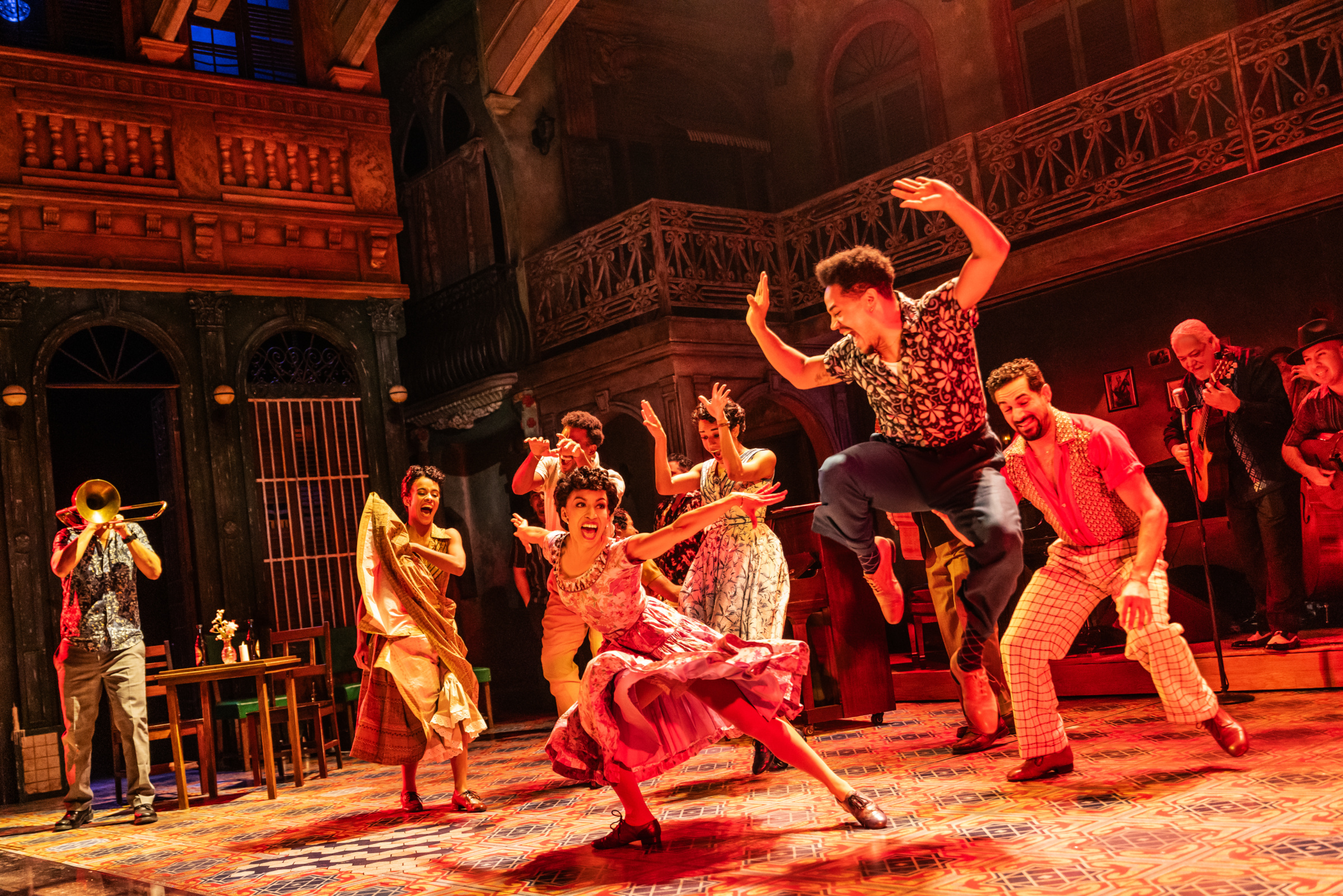
In the hushed glow of the Majestic Theatre, the curtain draws for the last time on a show that has become a nightly pilgrimage for fans of Cuban music and theatrical storytelling alike. As the lights dim on January 17, 2027, the production that has graced the stage for 96 weeks and delivered 767 memorable performances bows to a final applause, closing its chapter on Broadway. The timing feels both inevitable and poignant, marking the end of a cultural bridge that has carried the rhythms of Havana to the heart of New York for almost two decades.
Behind the applause, a more sober calculation unfolds. The producers, having poured an estimated $17 million into the show’s elaborate sets, costumes, and creative talent, are still chasing a full recoup. Yet they report that the numbers are on track; the show’s steady ticket sales and strong touring demand suggest that the project will finally balance its books before it exits the Broadway circuit. This financial narrative underscores the reality that even the most beloved productions must eventually reconcile art with economics, and Buena Vista Social Club’s journey reflects that delicate dance.
Looking beyond the final Broadway performance, the production’s story continues. A new chapter is slated to begin in the West End in 2027, where a refreshed ensemble and updated staging will reintroduce the Cuban melodies to London’s theatergoers. The transition promises to preserve the original’s soul while adapting its energy for a new audience, extending the life of a show that has already traversed multiple continents and earned a Tony Award for its artistic achievement.
Background & Context
The idea for Buena Vista Social Club blossomed from the collaborative spark between composer David Byrne and the Cuban ensemble that lent its name to the musical. Drawing on the real-life musicians who recorded the 1997 album that sparked a global revival of Cuban folk, the production translates their stories into a narrative that interweaves music, history, and personal triumph. From its off‑off-Broadway debut to its triumph in the 2014 Tony Awards, the show has navigated a trajectory of critical acclaim, festival tours, and educational outreach, turning the intimate world of Cuban music into a living classroom for theater audiences.
Its 96‑week run on Broadway places it among the longer‑lasting revivals, proof of its enduring appeal. Over the past six seasons, the show has performed 767 times, a figure that speaks to both logistical precision and a sustained demand that kept its doors open from early 2021 through the winter of 2026. Each performance has carried a blend of live orchestration, choreography, and storytelling that has earned praise for authenticity and emotional resonance.
The production’s influence extends beyond the theater. It has sparked a renewed interest in Cuban culture among younger generations, inspiring musicians and scholars to revisit traditional genres. The show’s use of archival recordings, combined with contemporary staging, created a living dialogue between past and present—a concept that has been studied in academic circles and featured in music conservatories across the country.
What People Are Saying
Audience members who have sat in the theater for months or years speak in a chorus of warmth and gratitude. Even as the closing date approaches, patrons express a mixture of sadness and excitement—sadness at the loss of a nightly ritual, excitement at the possibility of the show’s next incarnation in London. The sense that Buena Vista Social Club is more than entertainment; it is a cultural touchstone, is evident in the way fans recount the way the music moved them, the way the performers’ stories resonated with personal experiences of migration, resilience, and love.
Critics, too, have largely framed the show as a triumph of musical storytelling. Reviews have highlighted the production’s capacity to translate the intricacies of Cuban rhythm into accessible, emotive moments onstage. The musical’s reputation for high production values—meticulous period-accurate costumes, immersive set design, and flawless sound engineering—has kept it in the conversation among theater aficionados. While some reviewers have noted that the show’s pacing can feel uneven, especially toward the final acts, the consensus remains that its artistic ambition eclipses any minor missteps.
Within the creative community, the production is often cited as a benchmark for cross‑cultural collaboration. The cast, which has included a rotating roster of seasoned Cuban musicians and emerging Broadway performers, has been praised for their authenticity and chemistry. The production team’s decision to keep the original score intact, while interweaving contemporary elements, has been lauded as a respectful homage to the source material, preserving the integrity of the original album while adapting it for a live audience.
What Happens Next
The move to London’s West End in 2027 promises to bring both continuity and change. Producers have confirmed that the new production will feature an updated ensemble, combining veteran Cuban artists with local British talent. The staging will also be refreshed to accommodate the larger theater space, incorporating new lighting and sound designs that aim to amplify the show’s emotional core. In addition, the West End run is slated to begin in late spring, allowing ample time for rehearsals, marketing, and the recruitment of a new creative team.
Financially, the West End venture presents both an opportunity and a risk. While the show’s established brand may draw audiences in London, the cost of transatlantic travel, venue rentals, and local production staff will require careful budgeting. Yet the producers’ confidence that the show will eventually recoup its investment suggests a belief in the production’s universal appeal. They have indicated plans to secure additional sponsorships and partnerships, potentially from cultural institutions interested in promoting cross‑Atlantic artistic exchanges.
Audience expectations in London will likely mirror those in New York, with theatergoers eager for a musical that feels both exotic and intimately human. The producers have expressed a desire to engage with local communities through workshops and educational outreach, continuing the show’s legacy of cultural exchange. If the West End production achieves the same level of critical and commercial success as its Broadway predecessor, it could extend Buena Vista Social Club’s influence for another decade, ensuring that the music of Havana continues to echo across stages worldwide.
As the final curtain falls on Broadway, the stage lights dim but the rhythm does not cease. The story of Buena Vista Social Club—rooted in Cuban heritage, nurtured in American theater, and now poised to bloom again in London—remains proof of the enduring power of music to bridge cultures and move hearts across continents.
The Bottom Line
MyWorldPulse believes that Buena Vista Social Club’s finale is more than a curtain call; it’s a clarion call for the industry to honor artistic depth without compromising financial prudence. The musical’s 96‑week Broadway triumph proved that authentic storytelling, grounded in real history and sound, can captivate audiences and earn critical acclaim, even in a market dominated by spectacle. Yet the producers’ continued pursuit of full recoupment after a $17 million investment reminds us that theater is ultimately a business. Future projects must weave robust creative visions with transparent, realistic budgeting from the outset. Moreover, the planned West End transfer is a strategic move that respects the show’s heritage while recognizing the necessity of adapting to new audiences. By embracing cultural collaboration and smart fiscal planning, the industry can sustain its most impactful stories—ensuring that the rhythms of Havana, and indeed any culture, continue to echo across stages worldwide. – MyWorldPulse Editorial Team
Reference:
- Official post on Buena Vista Social Club’s verified Instagram account announcing final Broadway performance
Read more celebrity news at MyWorldPulse.