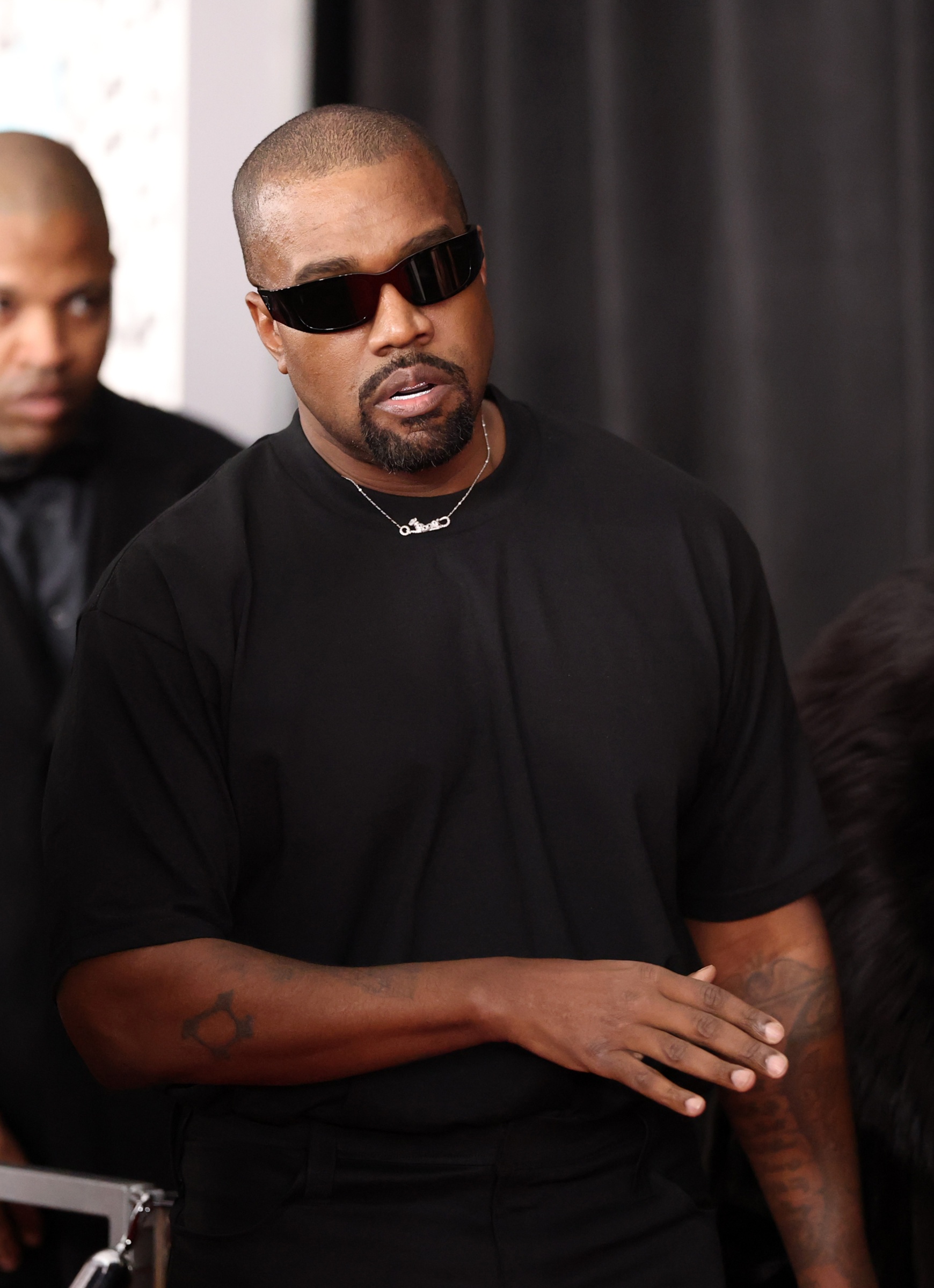
After four years of quiet, the Yeezy brand is poised to step back onto the Paris runway, offering a chance to rewrite its narrative. The 2018 collection that featured “White Lives Matter” shirts left the world in tatters, pulling the label into a maelstrom of criticism that rippled across sneaker culture, social media and the broader conversation about art and activism. Now, weeks before Paris Fashion Week, Kanye West’s re‑emergence could signal a new chapter—one that balances the audacity of his creative vision with the realities of a post‑pandemic market.
Kanye’s return isn’t just a brand revival; it’s a cultural recalibration. For many, Yeezy has been a touchstone for the evolution of streetwear from a niche subculture into a global commodity. In 2015, when the partnership with Adidas launched the first Yeezy Boost 350, it was already clear that the intersection of music and fashion could produce something larger than the sum of its parts. The 2018 show, however, shattered that trust, turning a runway into a political flashpoint that would haunt the brand for years.
With Paris slated for late March, the stakes are high. The fashion world will be watching, hoping that Yeezy can deliver a collection that is both artistically daring and commercially viable. Yet the runway will also serve as a litmus test for West’s broader public narrative—a narrative that has oscillated from humble musical success to outspoken political activism.
Background & Context
Yeezy emerged at a time when the lines between luxury and streetwear were dissolving. When Kanye launched the brand in partnership with Adidas, the collaboration was as much a statement as it was a business venture. The line’s minimalistic silhouette—loose silhouettes, muted tones, and a signature emphasis on texture—quickly set it apart. The brand’s sneakers, especially the Yeezy Boost 350 and 500, became cult artifacts, with resale markets often pushing prices well above retail.
The 2018 Paris runway was intended to be a culmination of that journey. Instead, it became a flashpoint. The “White Lives Matter” shirts, a bold political statement, were paired with the signature Yeezy aesthetic. In a city that has historically been a hub for avant‑garde fashion, the show was interpreted as an incitement, not a critique. The backlash was swift: sponsors pulled out, fans were outraged, and even Adidas quietly began to distance itself. In the weeks that followed, West stepped away from the fashion scene, focusing on music releases, his high‑profile marriage, and a series of political commentary pieces that only added layers to the controversy.
The hiatus also coincided with a seismic shift in the streetwear economy. The pandemic accelerated e‑commerce and the “drop” culture, with brands like Supreme and Off‑White relying on scarcity and hype rather than the traditional runway cycle. In that environment, Yeezy’s silence felt like a missed opportunity. Yet the brand’s core consumer base—young, digitally connected, and fiercely loyal—remained attuned to any hint of a return.
What People Are Saying
Social media reactions to the Paris announcement are polarized. On one side, longtime fans flood platforms with “can’t wait” emojis, reminiscing about the first time they wore a Yeezy Boost or watched a minimalist runway. These supporters highlight the brand’s past achievements: the way Yeezy pushed sneaker culture into the realm of high fashion, the way its soundscapes intertwined with visual aesthetics.
On the other side, activists and critics are wary. They recall the 2018 fiasco, arguing that a new collection risks repeating the same missteps. Some activists have even begun campaigns to boycott any Yeezy release, citing the brand’s history of politicized imagery that they believe promotes divisive rhetoric. Their voices have been amplified by journalists and commentators who frame the discussion around the responsibility that comes with being a cultural tastemaker.
Industry analysts see the Paris show as a pivotal moment for the brand’s commercial future. The termination of the Adidas partnership left Yeezy without a major distribution network. Observers speculate whether West will pursue a direct‑to‑consumer model—leveraging his own digital platforms—or seek a new partnership, perhaps with a boutique retailer that can handle limited drops. They also note that the streetwear market is increasingly fragmented, with consumers looking for authenticity over hype. Yeezy’s success will depend on whether it can reconcile its artistic legacy with a new distribution strategy that respects both its fan base and market trends.
What Happens Next
The Paris runway itself will likely be a carefully choreographed narrative. Reports suggest a minimalist set, perhaps a stark white backdrop that echoes the 2018 aesthetic but with a more subdued palette. The outfits could blend classic Yeezy silhouettes—low‑cut jackets, loose trousers, and a heavy emphasis on denim—with subtle, politically nuanced references. For example, the brand might replace overt slogans with embroidered text, or incorporate imagery that speaks to unity rather than division.
Attendees will be a mix of high‑profile designers, influencers, and streetwear curators. Their reaction will be immediate and documented live, with hashtags trending in real time. In the following days, Yeezy will likely launch a limited‑edition capsule—perhaps a collection of sneakers and apparel—through an online drop or a pop‑up in Paris. This commercial rollout will serve as a real‑world test of the brand’s new direction. Will it capture the attention of consumers who were alienated in 2018? Will it spark a wave of sales that outpace the hype?
Beyond the runway, West’s public statements will be under intense scrutiny. In the past, his tweets and interviews have often foreshadowed upcoming releases. Now, he will need to walk a fine line—asserting his creative vision while avoiding another political controversy. His next moves will shape how the brand positions itself in the broader conversation about art, activism, and commerce.
The next few months will be decisive. Whether Yeezy can rebuild trust with its base, attract new audiences, and navigate the intricacies of a post‑pandemic market will determine its future. At the same time, the brand’s actions will influence how other streetwear labels approach political commentary and public engagement.
As the lights dim on the Paris runway and the audience disperses, the world will be watching the next chapter unfold—one that promises to be as complex and compelling as the music and poetry that have always underpinned Kanye West’s creative empire.
The Bottom Line
The Yeezy revival is a calculated test of redemption. Kanye West is no longer a free‑wheeling provocateur; he’s become a brand strategist who must balance the allure of his creative legacy with the practicalities of a post‑pandemic market that values authenticity and responsibility. By explicitly pledging to eschew political slogans, West acknowledges the 2018 backlash and attempts to separate the brand’s aesthetic from his personal agenda. Yet this pivot also risks diluting the very edge that once set Yeezy apart. The challenge for West—and for the streetwear industry—lies in crafting a narrative that respects the brand’s history while avoiding the pitfalls of politicized marketing. If Yeezy can successfully navigate this tightrope, it could become a blueprint for artists who wish to monetize their influence without alienating their base. Conversely, any misstep will reinforce the cautionary tale of how quickly a brand’s image can unravel when its founder’s persona overshadows its product.
Reference:
- Official Yeezy announcement on Kanye's Instagram
Read more celebrity news at MyWorldPulse.