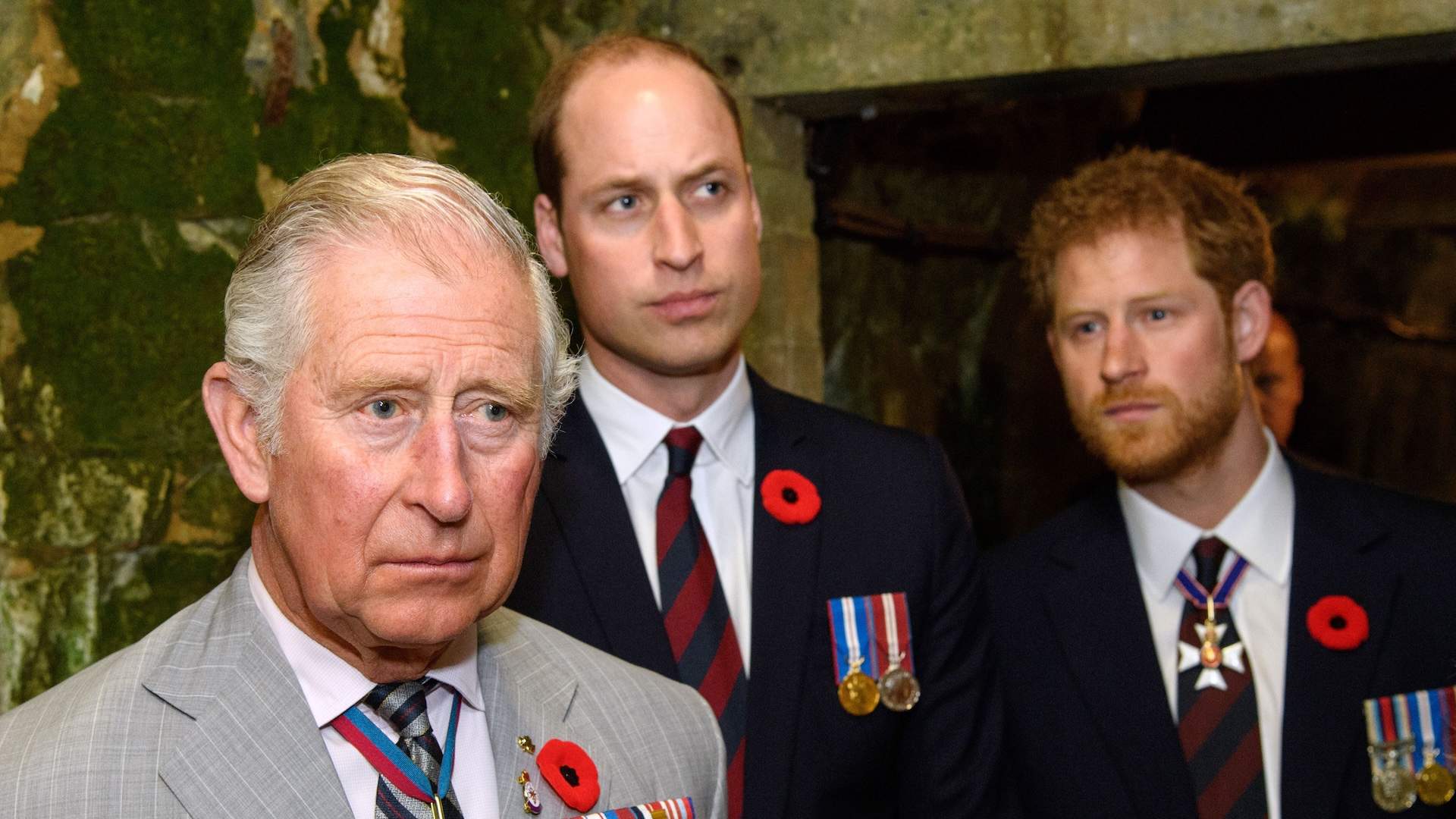
In a move that stunned fans across the globe, King Charles III announced a solemn service in honor of the late Princess Diana as a potential bridge between Prince Harry, Duke of Sussex, and Prince William, Duke of Cambridge, who have been locked in a decades‑long feud.
The announcement came on a warm Thursday afternoon, the royal palace buzzing with reporters, when the King, seated on a private balcony, casually mentioned that the 30th anniversary of Diana’s passing in August 2027 could be an opportune moment for a family‑wide tribute. The word spread like wildfire: millions of followers on social media posted emojis of hearts and lilies, while others shared tear‑filled comments recalling their own memories of the "People's Princess." Fans debated whether a simple ceremony could truly mend a broken brotherhood that has fractured not only the public's view of the monarchy but also the private lives of the princes.
The idea is not entirely new. In 2007, a commemorative service at the Wellington Barracks Guards’ Chapel saw Harry delivering the eulogy, and William participating with a reading. That event, still remembered by many, was seen by some as a rare moment of unity. Now, with the King’s proposal to replicate a similar gathering, supporters hope the shared grief over Diana’s death could become a catalyst for reconciliation. Critics, however, question whether a ritual can replace years of tension, especially after William’s recent remarks indicating he “has washed his hands” of Harry and the perceived distractions the Sussexes bring to his role as Prince of Wales.
Background & Context
The feud between the two brothers began in the wake of Prince Harry’s marriage to Meghan Markle and his subsequent departure from senior royal duties in 2020. While William has carried on with his duties, Harry has pursued a new career path, writing, media production, and philanthropic work. Their relationship has been marked by public statements, mutual absences, and a series of documentary projects that have exposed personal grievances.
Historically, the monarchy has relied on ceremonies and public gatherings to unify its members, and the 2007 service was a precedent. The King’s current suggestion leverages this tradition: a thanksgiving service at a royal chapel, featuring music beloved by Diana, a reading from William, and a eulogy possibly delivered by Harry. The ceremony would coincide with the 30th anniversary of Diana’s passing, a date that holds symbolic weight for the family and the nation.
The King’s motivation, according to the report, stems from his frustration with the ongoing sibling squabbles that have outlasted the princes’ departure from London. He reportedly believes that the shared grief and collective remembrance of Diana could provide a platform for the brothers to see each other beyond the roles of public figures. The proposal has been met with intrigue within Buckingham Palace, where advisers suggest that such an event could restore a degree of dignity to the family and avoid the pitfalls of future public debates or documentaries that may pit the brothers against one another.
What People Are Saying
Royal commentators and experts have divided themselves on the feasibility of this plan. Some see it as a hopeful, yet understated gesture that acknowledges the emotional toll the feud has taken on both princes. One analyst noted that a carefully choreographed ceremony might reduce the potential for political posturing and allow the brothers to step into a shared space defined by love and remembrance, rather than conflict.
Others remain skeptical. A former royal advisor, who chose to remain anonymous, expressed doubt that a single event could resolve years of strained communication. “While the ceremony is an elegant idea, reconciliation requires ongoing dialogue and mutual compromise,” he said. Another commentator, a historian specializing in royal family dynamics, warned that the monarchy’s public image is often more fragile than the personal relationships within it. He suggested that even if the brothers attend, the media’s appetite for drama could quickly resurrect old grievances.
The reaction from the public has been mixed. On social media, a handful of hashtags—#DianaTribute, #FamilyFirst—have trended, with users expressing hope that the ceremony will bring healing. Meanwhile, other posts feature sarcasm or outright dismissal, noting that family feuds in the monarchy have a long history of lasting beyond any single event. Many fans of Prince Harry have voiced optimism, citing his recent statements about wanting to mend fences. Those supportive of Prince William have echoed the same sentiment, focusing on the possibility that William might use the opportunity to read a meaningful passage, thereby showing vulnerability.
Despite the debate, there has been a noticeable shift in the tone of coverage. Rather than focusing on past altercations, the narrative now centers on the possibility of forgiveness and healing, a narrative that resonates with an audience increasingly concerned with mental health and emotional well‑being. The proposed service, if realized, could serve as a model for resolving family conflicts in other public spheres.
What Happens Next
The palace has confirmed that the proposal is under serious consideration, though no formal decision has been made yet. Within the next few weeks, palace staff are expected to consult with the heads of the chapels and the royal household’s event coordinators to gauge feasibility. If the service is approved, detailed planning will involve selecting appropriate music, arranging for the presence of the royal family, and ensuring that the ceremony aligns with the solemnity that a tribute to Diana demands.
In the event that the brothers agree to participate, there will likely be a pre‑ceremony briefing to align on the structure and script. The King’s advisers are preparing a statement that emphasizes the service’s role as a tribute to the late Princess Diana rather than a platform for any political or familial debate. This diplomatic framing aims to keep the focus on remembrance while subtly encouraging a thaw between the siblings.
Should the brothers decline, the palace will likely issue a neutral statement, indicating that while the service was a thoughtful gesture, the decision rests with each individual. This outcome would not be unprecedented; the royal family has previously declined to host joint events when personal issues ran deep. Regardless of the final decision, the very proposal signals a shift in the palace’s approach to internal conflict, moving from a purely procedural stance to one that considers emotional healing as part of public duty.
In any scenario, the proposed service is expected to attract significant media attention and public interest. Whether or not the brothers step onto the altar together, the event—if it occurs—will become a touchstone in discussions about the future of the monarchy, the power of public rituals, and the complex dynamics that shape the lives of its members.
The next few weeks will be crucial. Fans and observers alike will watch closely as the palace navigates this delicate situation, hoping that a simple act of remembrance can bridge a rift that has endured for too long.
The Bottom Line
The Royal Family’s move to use Princess Diana’s 30‑year anniversary as a bridge between Harry and William is a bold attempt to heal a decades‑long rift, but it risks becoming a carefully choreographed spectacle rather than genuine reconciliation. While the emotional appeal of a joint tribute is undeniable—particularly in an era that prizes mental‑health narratives—it also underscores how institutions can use ritual to mask deeper issues. The hope that a single ceremony can transform strained relationships is optimistic, yet history shows that real change requires ongoing dialogue, not just symbolic acts. In the meantime, the palace’s focus on a public service may placate some critics but may also invite scrutiny from those who see the event as a calculated PR move. Ultimately, the story is a reminder that even the most venerable institutions must balance emotional healing with transparency, lest the public question whether the gesture is sincere or merely a performance. Our view: the proposal is a positive step, but its success hinges on the brothers’ willingness to engage beyond the podium.
Reference:
- Royal Family's official announcement on Twitter
Read more celebrity news at MyWorldPulse.