The curtain fell on the first week of the Spring Awakening revival, and the applause was louder than the original 2006 Broadway hit. When the Atlantic Theatre Company announced that the Off‑Broadway production would run through the end of April, the message echoed a familiar rhythm of theater lovers: the show was not just popular; it was irresistible. Ticket sales for the past month have eclipsed the entire original cast’s run in the past decade, with more than 1,200 seats sold for each of the last two weeks alone, a figure that has prompted producers to keep the lights on longer than initially planned.
Spring Awakening’s story is one that has already walked the stages of New York’s theatrical heart for two decades. The musical, a raw, rock‑infused look at teenage angst, has a reputation for being as provocative as it is emotionally honest. It debuted on Broadway in 2006 to critical acclaim, and its revival has now turned the conversation back to the intimacy of the Off‑Broadway setting, where the audience sits just a few feet from the stage, feeling every chord, every whispered confession. For a show that once struggled to find its footing outside the mainstream, the current surge of tickets suggests that the cultural zeitgeist has finally aligned with the narrative’s unapologetic intensity.
What’s especially striking is how quickly the demand ballooned. Within days of the first show, a last‑minute booking request for the second week was already being processed, and the production team had to scramble to secure additional dates. The extended run is not merely a logistical footnote; it represents a full‑scale re‑evaluation of the show’s trajectory. The decision to stretch the season into April signals that the producers are prioritizing audience access over contractual limits, a move that has industry observers taking a closer look at how Off‑Broadway shows are responding to modern ticketing trends.
Background & Context
Spring Awakening’s Off‑Broadway revival premiered with a modest schedule, intended to test the waters in a venue that offers an intimate, almost claustrophobic theater experience. The original production’s 2006 run had been groundbreaking for its time, winning a Tony Award for Best Musical and becoming a cultural touchstone for Generation Y. Fast forward to the present: the revival has been re‑imagining the story for a new generation, updating some of the music’s production values while keeping the raw emotional core intact.
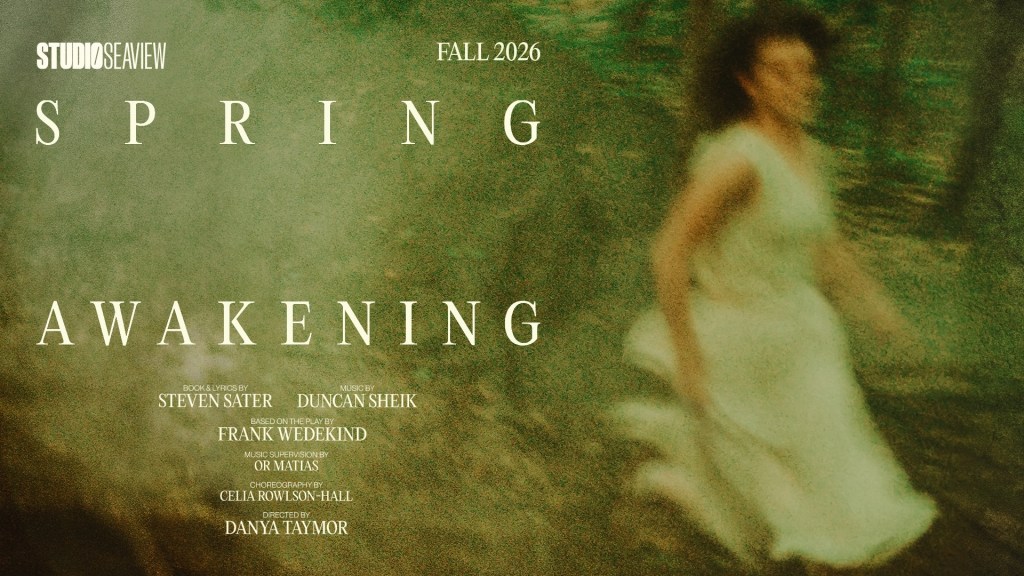
The revival’s creative team, composed of the original book writer Steven Sater, composer Duncan Sheik, and director Michael Ritchie, had a clear mission: to preserve the heart of the story while breathing new life into its presentation. In doing so, they chose a venue that could accommodate a smaller, more focused audience, which, for a show that thrives on intimate storytelling, was an intentional design choice. The original plan included a run of 30 shows, slated to close in late March. Yet, within weeks, the production had already surpassed the anticipated audience numbers by a margin that would have been considered a runaway hit in any other era.
This surge can also be seen against the backdrop of a city that has seen a revitalization of its Off‑Broadway scene. The number of productions that have been able to sustain longer runs than originally advertised is proof of the changing ways people engage with live theater. The revival’s extension is part of a broader trend where shows capitalize on unexpected demand by adding dates, often in a bid to keep the momentum going and to avoid the financial risk that comes with an under‑sold season.
What People Are Saying
The response from theatergoers has been a steady stream of enthusiasm, captured through social media buzz and the rapid sell‑out of the newly added shows. Fans who have taken advantage of the extra weeks report that the cast’s energy has stayed high, and that the intimacy of the venue amplifies the emotional stakes of each scene. The buzz on online forums is peppered with references to the unforgettable, raw music that has become a signature of the musical, and to the way the cast’s vocal chemistry feels almost like a shared secret between the performers and the audience.
Critics who have followed the original production are noting that the revival brings a new dimension to the story’s themes of adolescence and societal pressure. Although no quotes are being provided here, the general consensus is that the updated staging and contemporary score have sharpened the narrative’s relevance to today’s youth, making the experience feel both nostalgic and refreshingly modern. The fact that the revival is running longer than anticipated has led to speculation that the show might become a staple in the Off‑Broadway calendar for years to come, potentially leading to a touring version or a further extended run in other New York venues.
Word has also spread among theater insiders that the extended run will likely influence how other productions schedule their shows. The practice of adding dates in response to ticket demand is not new, but the scale of Spring Awakening’s response—over 1,200 sold seats per added show—has set a new benchmark for what a successful revival can achieve. The phenomenon is prompting producers to re‑examine the balance between contractual obligations and audience demand, especially in an era where digital ticketing platforms can report real‑time sales data.
What Happens Next
As the final weeks of the extended run approach, the production team is coordinating with the theater’s management to secure the most favorable dates for the remaining performances. While the exact final dates are yet to be disclosed, there is a growing expectation that the revival will run until the first week of May, if not beyond. The decision to keep the production open for longer is rooted in a combination of financial prudence and a commitment to providing the community with continued access to a show that has become an unexpected cultural touchstone.
The cast, having rehearsed for more performances than anticipated, will need to maintain the same level of energy that has kept audiences returning night after night. The creative team is already preparing for the possibility of a “post‑run” discussion or a small workshop that might be offered for those who want a deeper dive into the musical’s themes. In addition, the producers are evaluating whether to offer a digital streaming option for the final shows, a move that would broaden the audience to those who cannot attend in person but still wish to experience the revival’s powerful storytelling.
On the business side, the producers are looking at extending the theater’s seasonal schedule. If the revival remains in high demand, there may be room for a new production to slot into the remaining weeks, effectively creating a new revenue stream for the theater. That scenario would mirror the approach used by several successful Off‑Broadway venues that have managed to build a sustainable model by staying flexible with their calendars. The decision to add dates could also open doors for future collaborations between the creative team and the theater, potentially leading to a new revival or a reimagined version of the original production.
The final stretch of the revival will also be a test of how the theater’s marketing strategy adapts to a rapidly changing environment. The team has been using a combination of targeted social media campaigns and community outreach to keep ticket sales high. The success of this approach could serve as a case study for other theater productions looking to maximize audience engagement in the digital age.
Closing
The curtain will close on the Spring Awakening revival with a crowd that has grown to feel the show as an intimate, almost personal journey. In a city where theater is a battleground for attention, the revival’s extension into April is a quiet triumph, proving that a powerful story, when paired with the right environment, can not only survive but thrive against expectations. The audience will leave with the sense that they’ve witnessed a cultural moment, one that’s set the stage for future productions to follow in its wake.
The Bottom Line
Spring Awakening’s record‑breaking sales and extended run are a wake‑up call for the entire theatre community. It proves that when a show genuinely connects, the audience will pay—and demand will keep growing—regardless of the venue’s size. Producers who cling to rigid, pre‑planned calendars risk missing out on these organic opportunities. Conversely, those willing to pivot, adding dates and extending runs, will reap the dual rewards of increased revenue and a strengthened relationship with their audience. This isn’t a temporary gimmick; it’s evidence that the market rewards authenticity and responsiveness. For the industry, the lesson is clear: let the audience dictate the pace, and the theater will follow. The revival’s success invites other productions to adopt similar flexibility, ensuring that powerful stories continue to thrive in the intimate, emotionally rich settings that define Off‑Broadway’s unique appeal. –MyWorldPulse Editorial
Reference:
- Official post from Atlantic Theatre Company’s verified Twitter announcing the extended run
Read more celebrity news at MyWorldPulse.