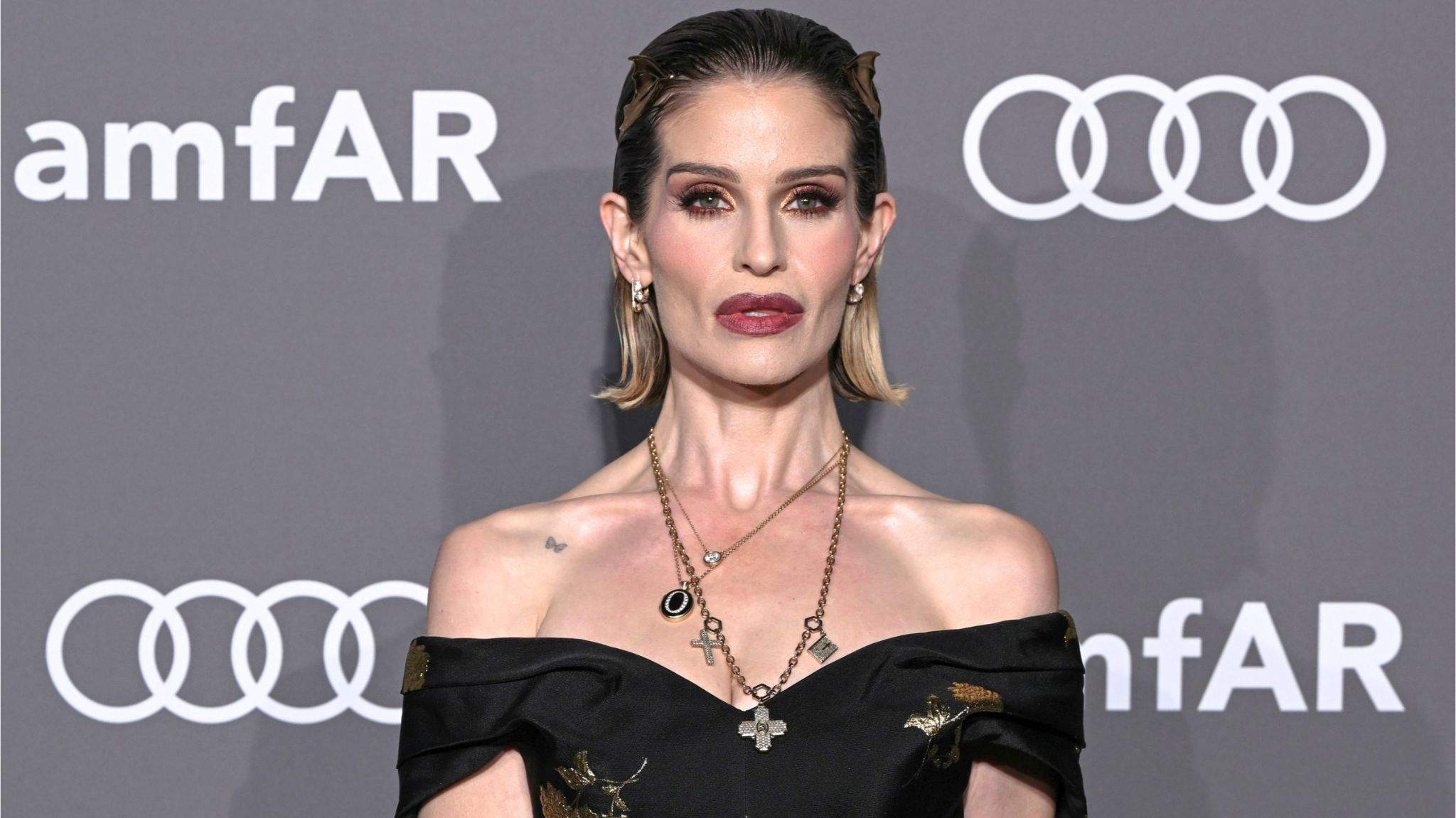
In a raw moment that felt like a confession, Kelly Osbourne announced that the shock of her father’s passing had sent her spiraling back into a habit she’d been fighting for years. “I got Dad’s demons as well as his blessings,” she said, the words echoing a sobering truth about the fragile boundary between grief and recovery.
The 42‑year‑old, who has long been known for her brash on‑screen personality, had just crossed the threshold of one year of sobriety when she revealed that her last drink was a single glass on December 26, 2025. The date sits stark against the backdrop of July 22, 2025, when the world said goodbye to Ozzy Osbourne, the legendary heavy‑metal icon who had battled Parkinson’s for nearly a decade. In the weeks that followed, Kelly said she found herself turning to alcohol and misusing medication as an escape from the relentless ache of loss.
Her story is more than a tale of relapse; it is a window into how grief can erode even the most practiced defenses. She spoke of a weight loss that had gone unnoticed until a fitting for the Grammys revealed a stark new silhouette, a change that sparked a wave of cruel comments on social media. Kelly’s candidness about the weight of body‑shaming, especially after the Grammys and BRIT Awards, has struck a chord with many who have faced similar scrutiny.
Background & Context
Kelly Osbourne’s public journey began in the early 2000s, when she carved a niche on reality television with her outspoken wit. Yet, the shadows of addiction had long stalked her career. In previous interviews, she had acknowledged the twin challenges of drug and alcohol misuse, hinting that the pressures of fame often pushed her toward unhealthy coping mechanisms. The passing of Ozzy on July 22, 2025, magnified these struggles. The tragedy forced Kelly to confront the ghosts she had tried to keep at bay for years.
The loss proved a catalyst that pushed her into a relapse. She described the process as not binge‑drinking, but rather a search for a numbness that could dull the pain of grief. “Whatever it took to feel nothing, because I couldn’t take it. The pain was so horrible,” she said, painting a vivid picture of the emotional toll the death exacted on her. The result was a swift decline in both sobriety and self‑care: a loss of appetite, a shrinking of her usual routines, and an alarming drop in weight that slipped by her like an unnoticed thief.
Body‑shaming followed in the wake of her physical change. At the Grammys, a fitting with a renowned designer revealed a leaner frame, and photos posted on the red carpet exposed a side of Kelly that the public had not seen for years. The instant commentary that followed was brutal; people pointed fingers, speculated, and did not hesitate to criticize her appearance. She said that this cruelty felt like an unprecedented wave of judgment, a fact she underscored during a post‑BRIT Awards Instagram Stories segment where she called out those who had publicly scrutinized her pain.
The ripple of negative attention magnified the emotional wounds that had already been inflicted by her father's death. In the months that followed, Kelly found herself at a crossroads, where her own fragile health and her battle with addiction collided with the relentless scrutiny of the public eye.
What People Are Saying
Kelly’s revelation has sent shockwaves through fan communities that had long admired her for her unfiltered honesty. Many listeners on her previous “We Need to Talk” podcast episode in September praised her for speaking candidly about the challenges of recovery. The conversation resonated with a broader dialogue about mental health and the stigmas that cling to those who struggle.
Social media platforms have been a battleground of reactions. Some comments praised Kelly for her bravery and the authenticity she brings to her story. Others—still echoing the earlier wave of body‑shaming—focused on the changes in her appearance. In the midst of this, supporters from the fanbase rallied, posting messages of solidarity and offering resources for mental health. A recurring theme in the responses has been the recognition that grief is not a single, uniform experience, and that each individual may face distinct trials.
Media outlets covering the story have contextualized her experience within the broader landscape of public figures dealing with addiction. A narrative has emerged that highlights the cyclical nature of recovery when grief and industry pressures intersect. In many ways, Kelly’s openness has redefined the conversation around addiction and mental health in the entertainment world. It signals that even those who seem larger than life can be vulnerable, and that a relapse can be a part of the long road to healing.
The backlash from critics has sparked conversations about the responsibility of audiences and the media in addressing sensitive issues. A wave of commentary now encourages more compassionate dialogue rather than judgment. Kelly herself has hinted that her newfound perspective will influence future projects, as she seeks to be part of initiatives that educate and destigmatize addiction and mental health struggles.
What Happens Next
While Kelly Osbourne has marked a significant milestone in her personal recovery, the story does not end here. She has made it clear that the path to sobriety is ongoing, and that her experiences are shaping her future public engagements. The next chapters in her journey are likely to focus on sustained wellness, community outreach, and continued transparency with her audience.
Her mother, Sharon Osbourne, 74, played an instrumental role in guiding her toward professional help. Sharon introduced Kelly to life coach Chris Miller, who connected her with a dedicated team of therapists and support staff. Together, they helped structure a regimen that prioritizes mental health, nutritional balance, and holistic wellbeing. This collaborative approach marks a shift from the reactive crisis response she had previously relied on to a more proactive, preventative stance.
In terms of public appearances, there are hints that Kelly may be slated to attend the upcoming BRIT Awards as a guest host or panelist, a move that would allow her to re‑engage with a platform that once seemed a source of criticism. She has also expressed interest in participating in a documentary that chronicles the personal toll of fame, addiction, and recovery—an endeavor that could further amplify her message.
Beyond the limelight, Kelly has announced plans to launch an online resource hub aimed at young adults grappling with similar issues. The initiative would offer educational content, support group listings, and links to professional counseling services. Her goal is to transform her painful experience into a beacon for others who feel alone in their struggles.
In short, the 42‑year‑old is stepping into a future that balances vulnerability with empowerment. While the road ahead may still hold challenges, the public will likely watch her with renewed curiosity and support as she continues to use her platform to champion healing and self‑acceptance.
The world waits to see how Kelly Osbourne will carry her newfound clarity into the next phase of her life, hoping that the candid revelations of her past will pave the way for a more compassionate tomorrow.
The Bottom Line
MyWorldPulse stands with Kelly Osbourne in her courageous exposure of the intimate toll that grief can exact on a person already battling addiction. This story is not just a personal milestone; it’s a rallying cry for the entertainment industry to reassess how it supports talent during moments of vulnerability. By openly discussing her relapse and the subsequent body‑shaming she endured, Osbourne invites a broader dialogue that transcends celebrity. The platform she now intends to use for education and advocacy is essential; it reminds us that empathy can be a powerful tool in an industry that thrives on spectacle. We applaud her willingness to transform pain into purpose, and we urge producers, managers, and broadcasters to implement robust mental‑health frameworks that protect artists from the pitfalls of fame. Our publication believes that only through sustained transparency and systemic change can the entertainment world truly honor the humanity of its stars.
Reference:
- Kelly Osbourne’s official Instagram post
Read more celebrity news at MyWorldPulse.