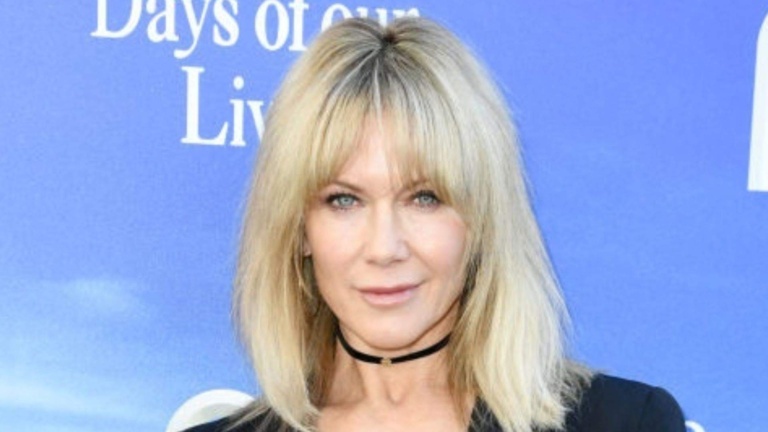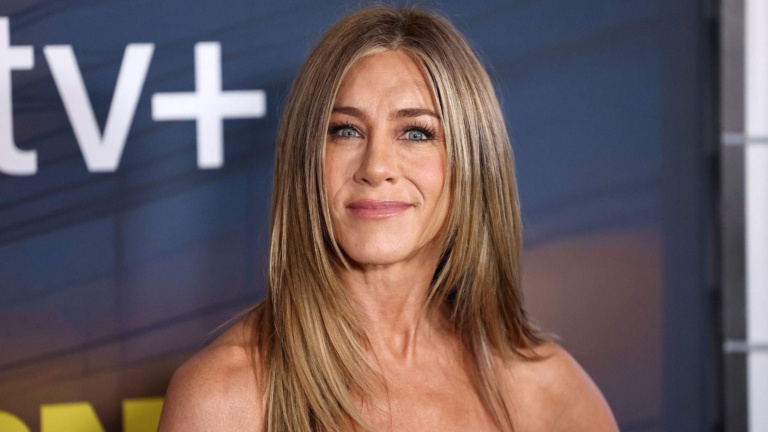
When the Scary Movie star slid a quiet but heartfelt post into her Instagram feed, it felt less like a celebrity response and more like a private confession. Her words—“Yikes. Yes, I read a few things. I really didn’t see that coming. Of course it hurts”—captured a moment of vulnerability that many fans, many viewers, found deeply human. After seven seasons of playing Christy, the sober, spirited daughter of a battle‑shaped mother, Anna Faris had told audiences she was stepping away from Mom to chase new opportunities. That decision, announced in 2020, had left an emotional echo that would resonate long after the show’s finale. Now, with Chuck Lorre’s memoir Sitcom pouring into public discourse, the actress’s response reverberates not just through the fandom but also in a broader conversation about creator‑actor relationships, authenticity, and personal growth.
The timing of Faris’s post is significant. The memoir, released this week, revealed Lorre’s earlier doubts about casting Faris in the role of Christy. He recalled that, during the first season, he questioned whether she was the right fit for a story that demanded both comedic timing and a genuine portrayal of addiction recovery. Faris, who has lived her own experience with sobriety for more than a year and a half, turned the conversation into an opportunity to remind everyone that her departure was rooted in personal evolution, not a simple career move. By juxtaposing her own narrative of healing and resilience with Lorre’s retrospective admissions, Faris offered a perspective that was both introspective and unflinchingly honest.
The broader backdrop of Mom adds a layer of nuance. Premiering in 2013, the series chronicled the intertwined lives of Christy and her mother, played by Allison Janney. Over seven seasons, the show earned acclaim for its blend of humor and heartfelt drama, tackling themes from alcoholism to family dynamics with a light yet earnest touch. Faris, who had already battled her own public image through earlier comedic projects, embraced the role as an outlet and a platform. The show’s cancellation and her exit in 2020, announced as a pursuit of “new opportunities,” came as a surprise to many fans who had grown accustomed to the chemistry that developed over those years.
In the memoir, Lorre writes, “After six years, she left the show for mysterious reasons that were not mysterious to anyone on the show.” The discrepancy between six and seven years highlights a subtle miscommunication, perhaps a typographical slip or a misinterpretation of a production timeline. The core point remains: Lorre felt vindicated by her departure, a sentiment that Faris openly disputed by acknowledging the depth of the relationships forged during production. Her post underscored that, although she felt “hurt,” the experience had shaped her profoundly—shaping her identity as a sober advocate and a dedicated performer.
Background & Context
Mom launched as a CBS staple, quickly gaining a loyal audience that appreciated its unfiltered take on the complexities of motherhood and addiction. With Allison Janney’s Oscar‑winning performance, the show’s dynamic resonated on multiple levels. Faris’s character, Christy, embodied both humor and pain, often serving as the emotional anchor in episodes that balanced levity with the weight of real-life struggles. The show’s production was not without its challenges; the cast and crew navigated tight schedules, evolving storylines, and the inevitable pressures of network television.
The relationship between Lorre and Faris during the first season, as described in the memoir, reveals the tension that often exists between a creator’s vision and an actor’s personal journey. Lorre’s initial reservations about Faris’s suitability for the role highlight the high stakes involved in casting a lead for a show centered around sensitive topics. Faris’s subsequent decision to stay for seven years suggests that both parties found a common ground that allowed for creative collaboration and genuine storytelling.
Throughout her tenure, Faris’s own life mirrored her on‑screen character. Publicly acknowledging her sobriety, she used her platform to advocate for addiction recovery, turning personal adversity into advocacy. The departure from Mom coincided with a period of self‑reflection; Faris revealed on the Happy Sad Confused podcast that she had “lost her focus” and was “in a complicated time in her life.” These candid admissions contextualize her exit as more than a professional pivot; it was a moment of reckoning that reflected both her artistic integrity and her personal well‑being.
What People Are Saying
The online reaction to Faris’s Instagram post was largely supportive, with many fans applauding her openness and reminding herself that the show’s seven‑season run was a rare endurance in contemporary television. Comments poured in from former cast members, offering words of gratitude and admiration for the work they had shared. George Paez, a co‑star, noted how Faris had maintained a professional and affable demeanor throughout the series, acknowledging that Chuck had at times seemed displeased, yet Faris stood by her craft. Paez’s reflections—“You gave me back the confidence I lacked at that moment”—illustrated the collaborative respect that flourished behind the scenes.
Social media commenters also echoed Faris’s message about recovery, emphasizing how her own sobriety story resonated with viewers. Some fans expressed admiration for her ability to navigate a career and a personal journey simultaneously, noting that “now I’m healthy, I’m working, and I’m happier than I’ve been in a long time.” These responses served as proof of the influence of the show beyond entertainment; it became a touchstone for many grappling with addiction and mental health challenges.
Conversely, the comments from Lorre’s memoir received mixed reviews. While some praised his candidness, others questioned the timing of his revelations, pointing out that the book was published years after Faris’s departure. Faris’s own statement suggested a desire to control the narrative, to frame her exit not as a casualty of the show's shifting dynamics but as a deliberate step toward personal growth. Fans who felt protective of her image appreciated her ability to confront the issue directly, reinforcing the sense of agency she had carried throughout her career.
The broader conversation also touched on the role of memoirs in shaping legacy. Lorre’s Sitcom offers a retrospective look at his creative process, but its revelations inevitably influence how actors are perceived in hindsight. Faris’s response highlighted the importance of self‑definition in a public life that is constantly revisited and reinterpreted. Her emphasis on gratitude—“Chuck gave me a job I loved” and “nothing changes how grateful I am for those people”—positions her as an artist who respects the collaborative nature of television while safeguarding her narrative.
What Happens Next
With Mom concluded and the memoir in circulation, the focus shifts to how Faris will continue to evolve both personally and professionally. Her openness about sobriety and mental health signals a potential new chapter in advocacy and storytelling. Faris has already hinted at exploring roles that resonate with her life experiences, seeking projects that provide meaningful narratives rather than merely entertaining ones.
Industry observers note that Faris’s candidness could open doors to projects that prioritize authentic representation of recovery. Casting directors may view her as a valuable asset for roles that require a deep understanding of addiction and resilience. Moreover, her involvement in public conversations about mental health could lead to speaking engagements, panel discussions, or even written pieces that complement her acting work.
The release of Lorre’s memoir also sparks a reexamination of his own body of work. Producers, writers, and actors might consider the implications of creator–actor dynamics revealed in Sitcom, especially concerning the transparency of intent versus the lived experience of the actors involved. Faris’s response sets a tone of dialogue, hinting at future conversations that balance creative vision with respect for individual journeys.
In the immediate term, fans can anticipate Faris’s continued presence on social media and occasional media appearances, perhaps providing further insight into her healing process and career aspirations. The Mom cast may reunite for retrospective specials or anniversary events, where Faris could reflect on her tenure and share how the show has shaped her life. Her journey reminds us that personal evolution often intertwines with professional trajectories, and that public figures can, even after departure, remain integral to the stories that defined them.
In sum, Anna Faris’s reaction to Chuck Lorre’s memoir underscores a delicate interplay between artistic collaboration, personal authenticity, and public perception. It reminds us that the narratives we cherish are often layered with behind‑the‑scenes realities, and that the most compelling stories are those where the human experience remains at the center.
The Bottom Line
At its core, Anna Faris’s Instagram post is a bold act of reclamation. She refuses to let a memoir dictate her narrative, instead choosing to spotlight the human side of a role that defined a generation of viewers. This stance is a call to the entertainment industry: talent deserves a voice equal to the scripts they bring to life. As networks push for greater transparency and mental‑health support, Faris’s openness sets a precedent—actors can—and should, shape the narrative around them. In a world where image is often curated, her raw honesty invites us to re‑examine what it means to be a storyteller and a survivor. The conversation doesn’t end with a single post; it opens doors for deeper, more authentic collaboration between creators and performers, and it reminds audiences that behind every character lies a real person with struggles and strengths.
Reference:
- Official Instagram post by Anna Faris
- Lorre's 'Sitcom' memoir
Read more celebrity news at MyWorldPulse.