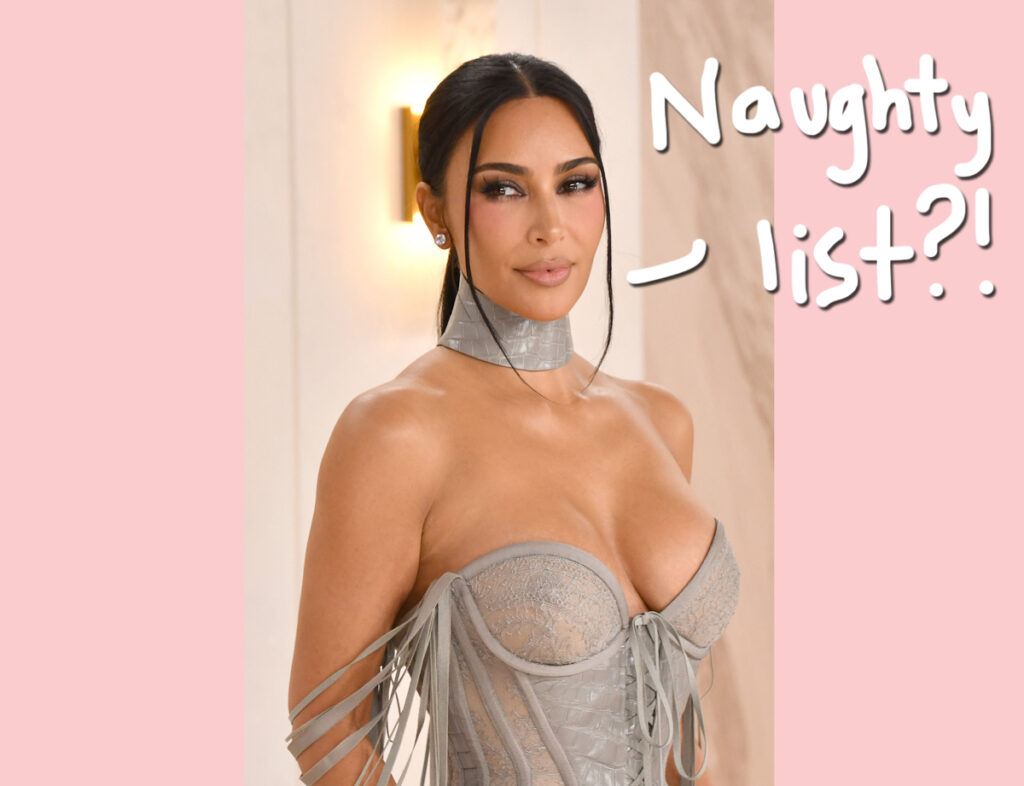
Kim Kardashian’s SKIMS $148 Accessories Advent Calendar Leaves Fans Calling It “What a Bunch of Junk” and Triggers a Full Refund Rollout
December 1st began as a glitter‑laden celebration for SKIMS, Kim Kardashian’s shapewear empire, but the day quickly turned into a saga of disappointment. The limited‑edition accessories advent calendar, priced at $148, promised a festive trove of hair ties, scrunchies, keychains, and a squishy toy, yet most buyers reported receiving items they described as “inexpensive trinkets” rather than holiday‑grade surprises. The fallout has sent a ripple through social media, prompting SKIMS to offer refunds or store credits to every purchaser.
In the world of modern marketing, an advent calendar is no longer just a paper box with a daily secret. Brands have turned it into a high‑profile unboxing event, layering luxury goods in opaque compartments to generate buzz. SKIMS’ entry into this trend felt like a bold move—except the perceived value fell well short of the $148 price tag. Customers compared the contents to items “found at the bottom of a purse,” while others questioned the brand’s decision to bundle what could be easily bought in bulk for a fraction of the cost.
Kim Kardashian’s SKIMS brand has long relied on the allure of curated, high‑quality pieces. Yet the accessories calendar, which marketed itself as “festive” and “surprise‑filled,” seemed to miss the mark. The backlash spread fast, with comments echoing through hashtags and personal posts, and the hashtag #NaughtyList trending as disappointed buyers rallied for a better product experience. Facing a wave of criticism, SKIMS promptly issued a statement acknowledging the feedback and outlining a remedy: each customer would receive a personal outreach offering a full refund or a SKIMS credit for future purchases.
Background & Context
The tradition of advent calendars dates back centuries, originally simple paper boxes that counted the days until Christmas. In recent years, the concept has evolved into a marketing staple, especially for fashion and beauty brands. Companies produce boxes containing samples, limited‑edition items, or full products, all wrapped in a mysterious compartment. The idea is that consumers feel the excitement of a daily reveal, while brands benefit from increased engagement and perceived value.
The modern advent calendar has become a social media sensation. Influencers often stream the entire unboxing on platforms like Instagram and TikTok, providing instant feedback on the contents. This trend can be a double‑edged sword: while it generates hype, it also exposes brands to swift criticism if the product falls short of expectations. For SKIMS, the $148 accessories calendar was intended to offer a “holiday collection” of everyday staples, from hair accessories to a small branded toy. However, the marketing promised an elevated experience, whereas the actual contents felt ordinary and, for many, trivial.
The controversy echoes past missteps in the industry. Dior’s 2023 advent calendar, priced at $3,500, was notorious for its mismatched gifts, such as a candle in one compartment and a standalone candle lid in another. When brands promise luxury and deliver mundane items, the gap between expectation and reality can become a brand‑shattering chasm. SKIMS’ situation is no different; the brand’s name carries a certain premium that the accessories calendar did not live up to in the eyes of its customers.
What People Are Saying
Social media exploded with candid reactions. Some users posted photos of the calendar’s contents, labeling them “trash” or “dud” and lamenting the perceived waste of money. Others compared the items to “purse junk,” a phrase that quickly spread across various platforms. The hashtag #SKIMSAdvent became a rallying cry for those who felt let down by the product.
One user posted a side‑by‑side comparison of the calendar’s items versus a standard beauty kit, noting that the price was roughly equivalent to a single item in a typical makeup collection. Another comment highlighted that many of the accessories could be bought in a multi‑pack for less than $20. The public sentiment was clear: the $148 price tag was not justified by the contents. A collective frustration culminated in the use of the term “What a bunch of junk,” encapsulating the backlash in a single, punchy phrase.
The brand’s response was swift. SKIMS’ statement acknowledged the dissatisfaction and offered a choice to each customer: a full refund or a SKIMS credit for future purchases. By reaching out personally to every buyer, the company attempted to mitigate the damage and demonstrate a commitment to customer satisfaction. The decision to offer store credit, in addition to refunds, signals an attempt to retain customers and preserve the brand’s long‑term relationship with its audience.
The conversation didn’t end with the offer. Many fans expressed mixed feelings—some appreciated the apology and the chance to return their money, while others questioned whether the credit would be worth it given the brand’s track record. A segment of the community called for a more transparent approach, suggesting that SKIMS should provide a clear breakdown of the product’s perceived value. Others, loyal to Kim Kardashian’s broader brand, welcomed the apology and hoped for future improvements.
What Happens Next
The SKIMS crisis presents an opportunity for the brand to re-evaluate its approach to limited‑edition releases. The company’s statement indicates that customer feedback will directly shape future products. It remains to be seen how SKIMS will recalibrate its offerings—whether it will focus on higher‑quality accessories, bundle more valuable items, or perhaps pivot to a different type of advent calendar altogether.
Meanwhile, the public’s trust in SKIMS is now in a delicate state. The choice between a refund or credit will determine whether buyers feel the brand has truly addressed their concerns. Some may opt for a refund, closing the chapter on the misstep; others may accept a credit, hoping that future SKIMS products meet their expectations. The company’s future strategy will likely include clearer communication about product contents and pricing to prevent similar backlash.
Industry analysts suggest that SKIMS will need to reinforce its brand promise by aligning product value with consumer expectations. A potential next step could involve releasing a “premium” version of the advent calendar with high‑end items such as silk scrunchies, custom keychains, or a limited‑edition accessory. Alternatively, the brand might explore collaborations with other designers or influencers to create a more appealing and valuable assortment. The backlash also underscores the importance of authentic unboxing content—allowing customers to see the items before purchase—to reduce the risk of disappointment.
Kim Kardashian herself has remained largely silent on the matter, letting the brand’s statement speak for her. However, the incident highlights the power of fan engagement and the speed at which negative sentiment can spread. For SKIMS, the next few months will be critical. The brand’s ability to learn from this experience and restore confidence could determine its long‑term success in an industry that increasingly rewards transparency and authenticity.
In the end, the SKIMS advent calendar controversy reminds us that in the age of instant gratification and social media scrutiny, even the most celebrated names can stumble. The path forward hinges on how well SKIMS can turn a misstep into a moment of growth and renewed trust.
The Bottom Line
MyWorldPulse's View: The SKIMS advent calendar fiasco highlights a growing gap between brand hype and product reality. While Kim Kardashian’s name carries weight, luxury consumers now expect tangible value that justifies premium prices. SKIMS’ decision to bundle cheap accessories into a $148 box felt like a breach of trust, especially when customers were forced to pay for items that could be bought in bulk for a fraction of the cost. The swift refund offer is a necessary damage control move, but it also signals a reactive stance rather than a proactive one. For the brand to regain credibility, SKIMS must rethink its limited‑edition strategy—perhaps launching a truly premium version with high‑end materials, or at least providing a clear breakdown of contents before purchase. Transparency is key: a detailed reveal or an unboxing preview could have mitigated backlash. In an era where social media turns a single complaint into a viral trend, the cost of misreading the market can be steep. SKIMS’ response offers a learning opportunity; how it implements changes will determine whether the brand can transform this misstep into lasting trust. MyWorldPulse believes the next move will define SKIMS’ long‑term resilience in the competitive shapewear and lifestyle arena.
Reference:
- Official post on Kim Kardashian's verified Instagram account
Read more celebrity news at MyWorldPulse.