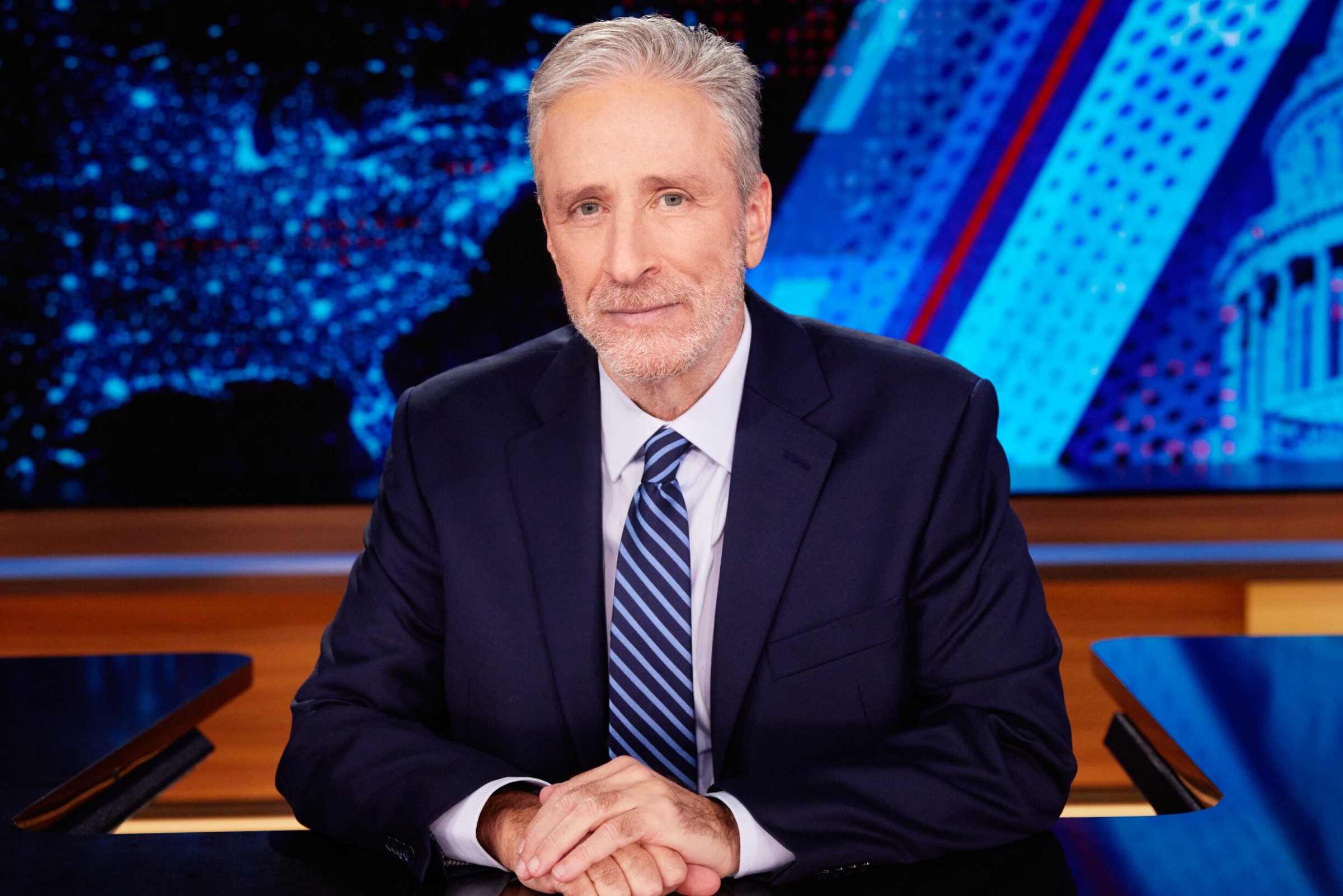
Jon Stewart, the veteran comedian, clinched a two‑year deal to stay in the spotlight, keeping the satirical desk alive through the 2028 election cycle. A new contract will let him sit at the desk part‑time and continue executive‑producing, securing his spot for the next political showdown.
Jon Stewart’s name has become synonymous with the sharp‑tongued, fearless commentary that defined “The Daily Show” for almost a quarter of a century. The former New Hampshire governor‑turned‑comedian took over the program in 1999, and his tenure has spanned four presidential administrations, countless skits, and a legion of fans who count on his blend of humor and honesty. As the political calendar turned toward 2026, the network approached him with a one‑year renewal. In a move that surprised many, the comedy titan turned down a short extension and instead negotiated a fresh two‑year contract, guaranteeing his presence on the show through the 2028 election. The decision reflects Stewart’s own desire to keep the show’s voice alive as the next wave of political drama unfolds.
The agreement is more than a mere contractual footnote; it cements Stewart’s influence over the show’s editorial direction. While he will step back from full‑time hosting duties, he will still sit at the center of the desk for key segments and maintain his role as an executive producer. His signature blend of satire will guide the show’s approach to political satire, ensuring continuity for the audience that has come to expect a particular style of commentary.
Background & Context
When Jon Stewart stepped onto “The Daily Show” in 1999, the program was still carving out its identity. The early years were defined by a mix of news satire and a growing audience hungry for a fresh take on the media landscape. Stewart’s arrival brought a new cadence to the show, blending punchlines with a keen insight into politics, culture, and media manipulation.
Over 24 years, Stewart has seen the United States move through a series of transformative political moments: the 2000 election, the wars in Iraq and Afghanistan, the 2008 financial crisis, the rise of social media, and the impeachment inquiries that reshaped American politics. His signature monologues became a nightly ritual for millions, with his incisive commentary offering both critique and a comedic release. By the time the network approached him in late 2025, Stewart’s tenure had become a staple of American television, and his departure would have left a void that few could fill.
In early 2024, Stewart had publicly announced his intention to step down at the end of 2026, signaling a retirement from the daily grind and a desire to focus on projects outside the show. However, the contract negotiations that followed revealed a different story. Rather than leaving the show entirely, Stewart chose to remain in a part‑time capacity, keeping the brand alive while allowing his creative energies to flow elsewhere. This arrangement reflects a broader trend in the industry where long‑time hosts pivot to executive roles, preserving brand equity while redefining personal involvement.
What People Are Saying
Fans who have followed Stewart’s career for decades expressed a mixture of relief and excitement at the news. Many highlighted how his presence had become a stabilizing force during chaotic election cycles. The social media buzz underscored the significance of Stewart’s humor in a climate that often feels overly divisive. In one heartfelt comment, a viewer noted that Stewart’s “truth‑telling” had been a lifeline during turbulent times.
Industry insiders praised the strategic nature of the move. Television analysts see the deal as a savvy balancing act: Stewart gets to reduce his on‑screen commitments while retaining influence, and Comedy Central preserves the brand’s continuity. The network’s decision to offer a two‑year extension—through 2028—demonstrates confidence in Stewart’s enduring appeal, even as the political landscape continues to shift. Some commentators noted that the contract aligns Stewart’s tenure with the next presidential election, suggesting a deliberate intent to maintain a seasoned voice during a period of heightened political discourse.
Critics, however, argued that Stewart’s reduced involvement might leave a gap for emerging voices. They suggested that the show could use this transition period to experiment with new comedic formats and hosts. Yet many maintain that Stewart’s presence, even in a limited capacity, will keep the show’s core identity intact while opening doors for fresh talent to emerge.
What Happens Next
With the contract now in place, “The Daily Show” is poised to navigate the next two years with a familiar anchor. Stewart’s role as an executive producer will give him a seat at the decision‑making table, allowing him to influence the selection of segments, guest hosts, and comedic themes that keep the show relevant. Meanwhile, his reduced on‑screen schedule means the desk will often feature guest hosts, a practice that has already added fresh energy to the program in recent seasons.
Behind the scenes, the show’s writers are reportedly in talks with a roster of comedians who could step into the host role during the extended period. This plan not only preserves continuity but also positions the show to evolve. The network may also use this time to develop spin‑offs or digital content that expands the “Daily Show” brand beyond traditional television.
In the broader context, Stewart’s extension signals a shift in how legacy hosts manage transitions. By blending reduced on‑screen duties with executive oversight, Stewart is carving a new path that could become a template for future hosts looking to balance legacy with innovation. As the 2028 election approaches, viewers can expect a steady hand at the desk, tempered by fresh comedic voices, all under Stewart’s seasoned guidance.
The decision to keep Jon Stewart involved through 2028 is more than a contractual arrangement; it is a statement about the enduring power of satire in shaping public discourse. As the political climate intensifies, the world will look to the “Daily Show” for sharp wit and candid commentary—an endeavor that Stewart is uniquely equipped to lead, even as he steps back from the daily routine.
The Bottom Line
MyWorldPulse believes Jon Stewart’s move to a part‑time, executive‑producer role is a masterstroke that balances personal ambition with brand stewardship. The Daily Show has long been a cultural touchstone, and by retaining Stewart’s satirical lens, the network guarantees the program’s authenticity and credibility—critical factors when political noise only intensifies. Yet, the decision also opens the door for fresh voices to experiment with the format, providing a platform for emerging talent while still anchored by a proven leader. This hybrid model could become the industry standard for legacy hosts who wish to remain influential without the demands of daily on‑screen duties. As viewers, we can expect a familiar steadiness in commentary, coupled with inventive segments that reflect a broader spectrum of humor. For networks, the contract offers a low‑risk method to maintain brand equity during politically charged years. In short, Stewart’s choice is a win for both the audience and the industry, preserving the sharp wit that fans cherish while paving the way for innovative content creators to shine.
Reference:
- Official post on Jon Stewart's verified Twitter account
Read more celebrity news at MyWorldPulse.