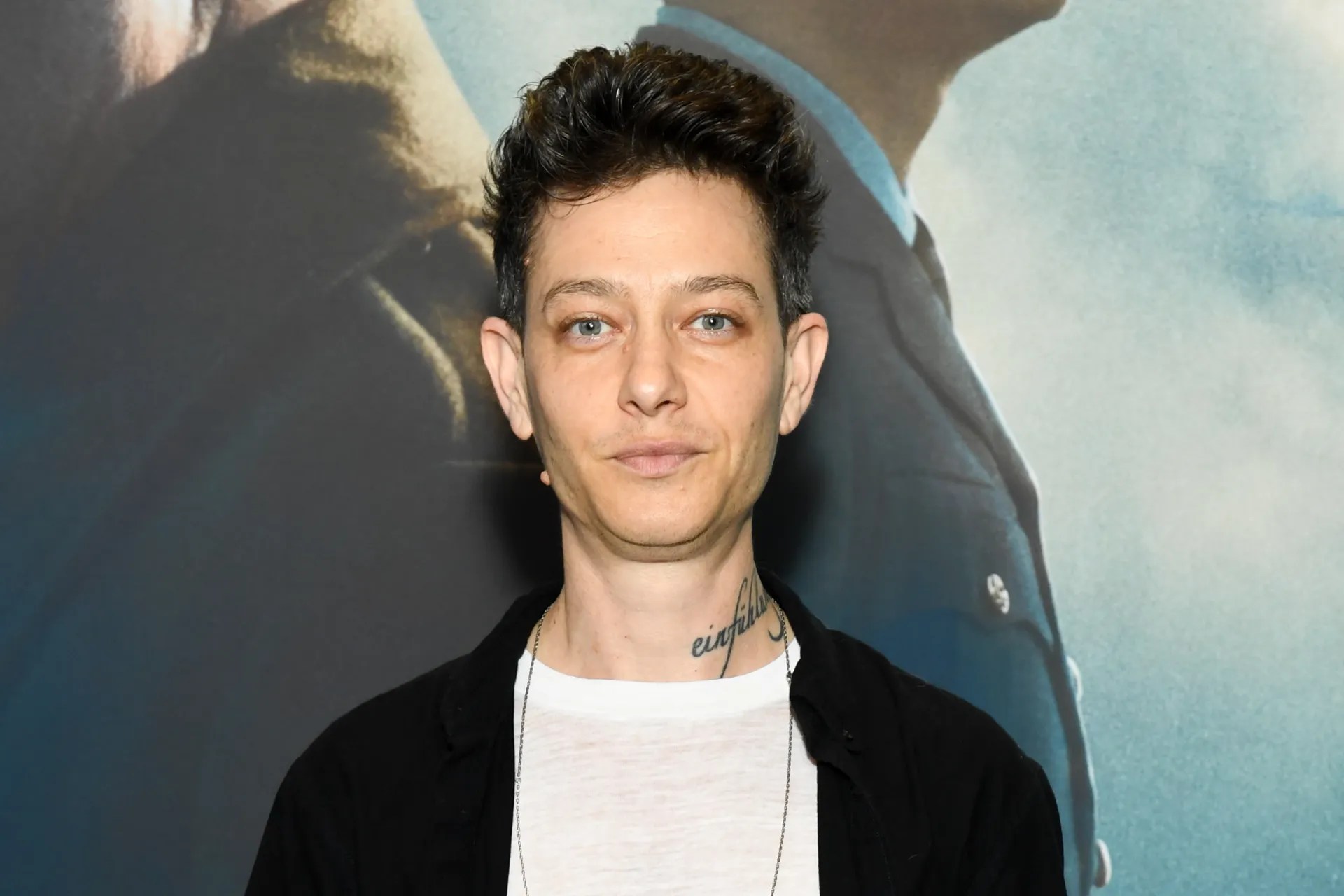
In a move that sent ripples through Hollywood’s tight‑knit community, Asia Kate Dillon revealed that after a decade and a half of acclaimed performances, they are pivoting toward customer‑service work. The revelation came via a personal post, sparking conversations that stretched far beyond the stage and screen.
Dillon, known for defying traditional gender norms with their gender‑fluid identity and their roles on Orange Is the New Black and Billions, shared a stark truth: their acting job market has “all but diminished.” This candid confession arrived on a platform where fans normally celebrate their latest episode, but instead they were met with a plea for a new direction. At 31, the actor’s career trajectory illustrates a broader trend: even seasoned performers face fierce competition and the constant threat of being sidelined as streaming giants reallocate budgets.
Hollywood’s landscape is changing. In a parallel industry shift, Versant Media’s CEO, Mark Lazarus, recently declared that the company is unlikely to purchase Skydance’s cable television assets. This admission highlights the volatility of media conglomerates, as they weigh large‑scale acquisitions against maintaining long‑term sustainability. Meanwhile, the world of celebrity culture itself is in flux. Prince Harry’s interview with GQ, where he confessed that his and Meghan Markle’s attitudes have shifted and that he wishes to mend family rifts, underscores how public figures’ personal journeys can influence public engagement and, in turn, media consumption.
---
Background & Context
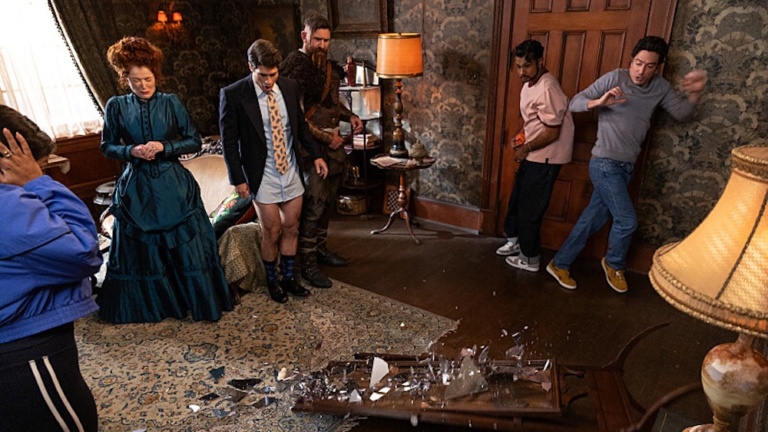
For most actors, the path to stardom seems linear: a breakthrough role, followed by a succession of offers that keep the career momentum alive. Asia Kate Dillon’s journey, however, was anything but typical. After debuting in Orange Is the New Black in 2013, the actor’s portrayal of the nonbinary character Alex Vause earned them a dedicated fan base and industry recognition. Five years later, Dillon transitioned to Billions, playing Taylor Mason, a character that challenged gender expectations on a high‑stakes financial drama. Despite these high‑profile roles, Dillon has faced an industry that increasingly favors novelty and marketable talent over seasoned performers.
The pandemic accelerated changes that have left many actors scrambling for relevance. Production halts, budget reallocations, and a surge in scripted content on streaming platforms diluted the limited pool of roles. In this environment, Dillon’s own experience reflects a larger pattern: seasoned actors, regardless of talent, find themselves on the periphery of the job market. Their public acknowledgment that they are "looking for service work" speaks to a reality many in the arts face—balancing creative aspirations with economic necessity.
This individual struggle is mirrored by corporate movements. Versant Media, spun off from Comcast and NBCUniversal, expressed reluctance to acquire Skydance’s cable networks—a move that would have expanded its physical media footprint but might have stretched resources thin. By rejecting such a large purchase, Versant signals a cautious strategy focused on preserving operational stability rather than rapid expansion. The cautionary stance of a major media player underscores the precarious nature of the entertainment business, where strategic missteps can jeopardize both creative and financial futures.
---
What People Are Saying
The response to Dillon’s announcement has been swift and layered. Within hours, the actor’s followers flooded the comment section with support, reflecting a broader societal shift toward acknowledging the instability many creatives endure. Fans praised Dillon’s honesty, recognizing that transparency can humanize a star who has long been a symbol of defiance against conventional labels. The actor’s open stance also sparked conversations about gender fluidity and representation in a job market that has historically favored clear binaries.
On the business side, industry insiders noted how Dillon’s situation parallels the broader trend of talent being displaced in favor of cost‑effective content production. Analysts emphasized that streaming platforms prioritize high‑volume content creation over individualized storytelling, thereby limiting the opportunities for nuanced performances that actors like Dillon bring. This shift is consistent with Versant Media’s decision to forego the acquisition of Skydance’s cable assets; the company appears to be acknowledging that strategic investments in large-scale physical media may not align with the current consumption pattern dominated by on‑demand services.
Meanwhile, public reactions to Prince Harry’s interview illustrate the power of personal narratives in shaping audience engagement. Harry’s candid reflection on family dynamics, coupled with his admission of changing attitudes, humanized a figure often perceived as distant. This openness has led to a surge in media coverage that explores the intersection between personal experience and public expectation. The prince’s narrative, while unrelated to Dillon’s, creates a backdrop of shifting attitudes toward established institutions, whether that be the monarchy or the entertainment industry.
Together, these stories underscore a world where personal and corporate narratives intertwine. While the actor’s career pivot may appear individual, it resonates within a media ecosystem where content distribution, brand identity, and audience engagement are in constant flux. The public’s empathy toward Dillon, mirrored by their fascination with Prince Harry’s personal evolution, demonstrates the complex interplay between personal authenticity and industry dynamics.
---
What Happens Next
Asia Kate Dillon’s career decision invites speculation about the future of acting careers in a rapidly evolving entertainment landscape. Industry observers anticipate that actors may increasingly diversify their skill sets, seeking roles in adjacent fields such as digital content creation, voice work, or even customer‑service platforms. Dillon’s transition could set a precedent, prompting other performers to explore unconventional career pathways that still utilize their communicative talents.
In corporate terms, Versant Media’s cautious stance could influence other media companies to reevaluate expansion plans, especially when considering traditional cable assets. If the market continues to favor streaming over linear broadcast, we might see a slowdown in the acquisition of physical media properties, prompting a reallocation of capital toward digital infrastructure and original content development.
On a cultural level, Prince Harry’s openness about his evolving attitudes and his desire to “work it out” with his family may catalyze broader discussions about generational dynamics within the public sphere. As audiences increasingly demand authenticity from both entertainers and public figures, the lines between personal life and professional persona are expected to blur even further. This shift could lead to a more empathetic media environment where career setbacks or personal crises are met with collective support rather than immediate backlash.
Ultimately, Dillon’s candid admission highlights the need for systemic changes that provide safety nets for artists. Whether through union advocacy, diversified revenue streams, or industry‑wide policy reforms, the path forward will require collaboration among actors, production companies, and audiences. In the meantime, the actor’s willingness to share their story—whether through a tweet or a public statement—remains a powerful reminder that behind the glamor and the script lies a human navigating the unpredictable currents of a volatile industry.
In an era where both the personal and the corporate are constantly reshaped, Asia Kate Dillon’s decision to pursue customer service work may seem like a footnote, yet it offers a compelling narrative about resilience, adaptability, and the ever‑changing nature of the entertainment world.
The Bottom Line
Dillon’s public pivot is a stark reminder that the glamour of Hollywood often masks an unforgiving economy. As streaming platforms churn out content at breakneck speed, the industry’s focus on novelty leaves little room for seasoned talent. This is not just a personal story—it’s a wake‑up call for unions, studios, and talent agencies to safeguard artists’ livelihoods. The shift toward non‑traditional roles should not be seen as a last resort but as an opportunity to rethink career trajectories and the value placed on diverse experience. If Hollywood wants to maintain its reputation as a creative haven, it must offer realistic, sustainable pathways for actors whose careers do not fit the linear, high‑budget mold. That means investing in training programs that bridge acting with digital media skills, creating flexible contract models that reflect the gig economy, and, above all, acknowledging that the industry’s true strength lies in its people, not just its product. MyWorldPulse calls on all stakeholders to take this moment as a catalyst for systemic change—because the future of entertainment depends on it.
Reference:
- Official post on the person's verified social media account
Read more celebrity news at MyWorldPulse.