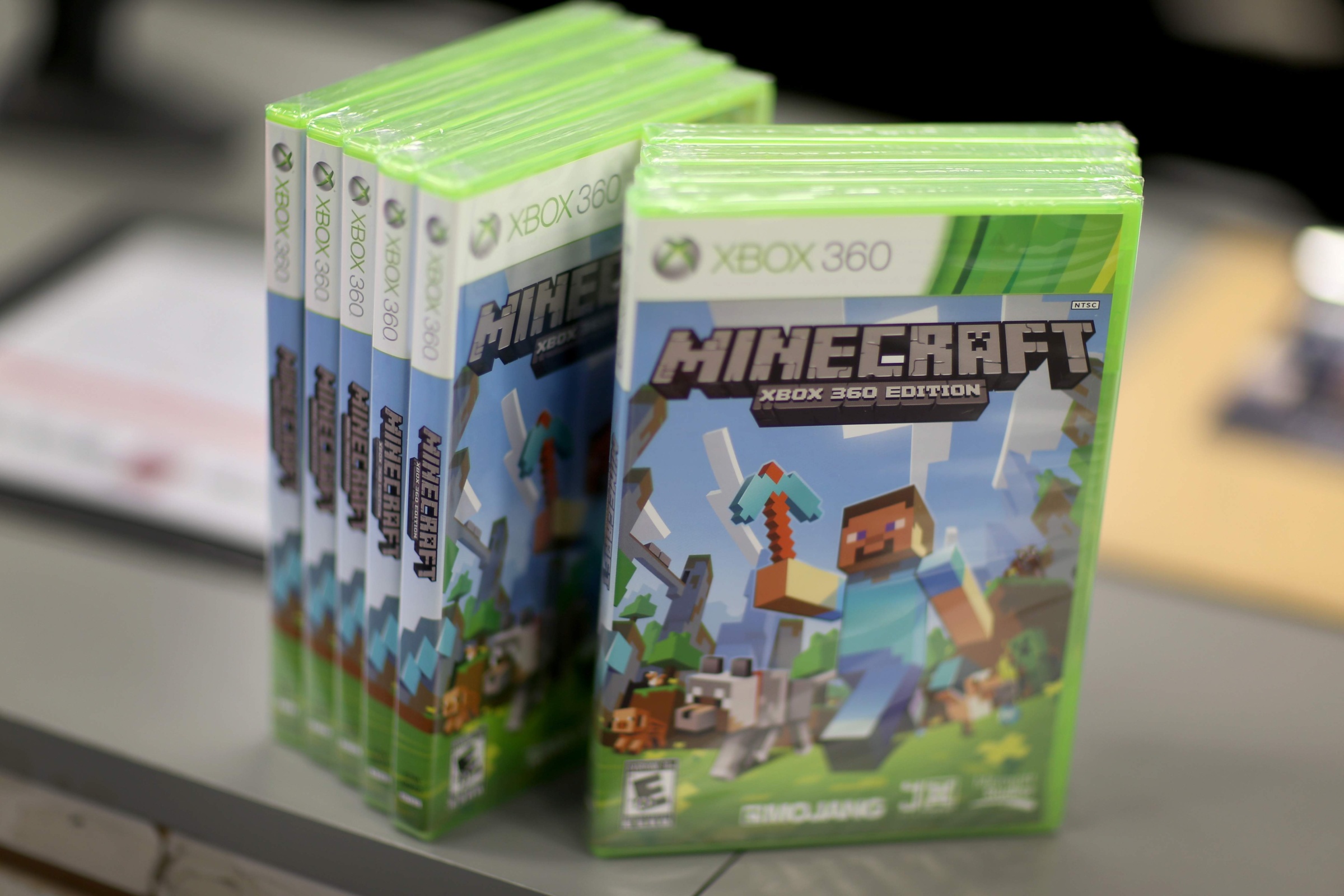
The first rumble of the news hit social feeds with a simple headline that made the whole gaming world pause: the Swedish mastermind behind Minecraft, Markus Persson, had just listed his Beverly Hills estate for the exact amount he paid for it eight years ago—$70 million. Within minutes, a tidal wave of reactions poured in from gamers, industry insiders, and even casual fans who had watched his meteoric rise from a small Swedish town to a global icon. Threads exploded on Twitter with emojis and memes, while YouTubers quickly drafted reaction videos, each trying to explain how a man who once sold a pixelated block game for a $2.5 billion deal could still be humbled by a single luxury property. The sheer audacity of the price parity, coupled with the high-profile nature of the property itself, turned a real estate listing into an overnight global talking point.
When the listing went live, the property’s Instagram feed exploded with a series of high‑resolution shots that highlighted the mansion’s sheer scale: an almost acre of land, 22,300 square feet of curated opulence, and a panoramic view that stretches from the Hollywood Hills to the Santa Monica coast. Fans quickly pointed out the eight bedrooms, fifteen bathrooms, private elevator, and an in‑house movie theater—details that had been whispered about in the gaming community since the first images surfaced after Persson’s 2014 sale of Mojang. The listing page also teased a private recording studio, a nightclub with a DJ booth, a candy room worth $200,000, and a wine cellar with room for 2,500 bottles—an almost mythical level of extravagance that seemed to echo the boundless creativity that birthed Minecraft.
The story didn’t stop at the façade. Behind the glossy exterior lies a narrative of a young programmer who began coding at seven, landed his first job at eighteen despite never finishing high school, and released a side project that would become a cultural phenomenon. By 2011, Minecraft was a global juggernaut, leading Persson and his colleagues to sell Mojang to Microsoft for $2.5 billion. Eight years later, after outbidding Beyoncé and Jay‑Z for the very same estate, he chose to keep the asking price static, hinting that the sale might be motivated by a desire to step away from the relentless buzz of Los Angeles life. The reaction across forums and fan sites was immediate: a mix of awe at the sheer audacity and speculation about what might trigger this sudden shift for a man whose legacy is defined by creative freedom.
Background & Context
Beverly Hills’ luxury real‑estate scene is no stranger to headline‑making prices, yet the $70 million listing marks the highest value ever posted in the city this year and the second‑highest in Los Angeles County. The estate, a product of developer Bruce Makowsky’s 2014 construction, sits at the pinnacle of ‘Billionaire’s Row,’ a strip that hosts an eclectic mix of A‑list celebrities and tech moguls. From Jeff Bezos to Taylor Swift, the neighborhood is a playground for the affluent, and Persson’s home—complete with a private elevator and two‑story layout—fits comfortably within this elite cohort.
The property’s features reflect Persson’s personal interests as much as its market value. The private recording studio, nightclub, and candy room showcase a penchant for immersive entertainment environments, while the dedicated security office and staff quarters suggest a lifestyle that balances luxury with functionality. These elements were not inherited from the original builders; they are a direct result of Persson’s own renovations. Adding to the mansion’s allure, the panoramic view ensures that natural light bathes the interior, a detail that has been a frequent talking point among interior design enthusiasts who appreciate the harmony of indoor and outdoor spaces.
From an industry perspective, the timing of the sale aligns with a broader shift in the luxury market. Over the past decade, Los Angeles’ high‑end segment has experienced a slowdown, mirroring trends seen in other booming markets such as Austin and South Florida. Sellers have begun to price properties more conservatively, and buyers have become more discerning. Persson’s decision to list the property for the same price he paid could be interpreted as a strategic move to maintain market stability or simply a personal statement about the value he assigns to his own home.
What People Are Saying
Gamers worldwide erupted on social media, with many expressing disbelief at the coincidence that the asking price matched the purchase price exactly. Commentators on streaming platforms argued over whether this was a savvy marketing tactic or a genuine reflection of market value. Some highlighted the irony of a man who sold a pixelated game for billions now negotiating a luxury estate at a price that could be considered modest in the context of his net worth. Others reminisced about the early days of Minecraft, drawing parallels between the game's simple, build‑your‑own world ethos and Persson’s current life choices.
Within the broader entertainment community, the news sparked a flurry of speculation about Persson’s next ventures. Industry observers suggested that the sale might signal a pivot back to quieter, less public endeavors—perhaps a return to game development or a new tech project under a different name. Some analysts pointed out that Persson’s move aligns with a trend among tech billionaires who are stepping away from the public spotlight to focus on personal passions and philanthropic efforts.
Fans of the Minecraft franchise also took to the comment sections to reflect on how the game's legacy extends beyond the blocky landscapes. There were heartfelt tributes to Persson’s contributions to the gaming world, with many noting that his willingness to innovate has created a platform that supports countless independent developers. The community’s collective mood ranged from celebratory to contemplative, underscoring how Persson’s personal choices resonate far beyond the confines of real estate.
What Happens Next
The listing agent has confirmed that Persson is committed to completing the sale, citing a reduced presence in Los Angeles as the primary motivation. Potential buyers will have to contend with a property that, while still a jewel on the market, is now a rare opportunity to own a home that has lived through some of the most iconic moments in gaming history. As the real‑estate market continues to adjust, interested parties may find the price attractive given the estate’s unique features and storied past.
If the property does not sell immediately, the estate will likely remain on the market for several months, during which time the listing could attract a wave of high‑profile buyers. The next few weeks will be crucial for Persson and his team as they navigate the intricacies of a high‑value transaction that carries both commercial and personal significance. In the meantime, the Minecraft community will keep the conversation alive, perhaps looking forward to the next chapter in Persson’s evolving story—whether that means a new game, a quieter life, or something entirely unexpected.
The world watches with bated breath, eager to see how a creator who once turned humble code into a cultural phenomenon will decide to close—or perhaps open—another chapter in the saga of his remarkable life.
The Bottom Line
Persson’s $70 million listing is a masterclass in personal branding that transcends gaming, real estate, and tech. By keeping the price static, he signals a desire to preserve the legacy of his early work while subtly stepping back from the relentless pace of LA life. This move invites a broader discussion about how founders and creators choose to live out their success—whether by staying in the limelight or retreating to spaces that reflect their passions. The listing’s high‑end features—candy room, private studio, movie theater—are not mere luxury add‑ons; they are a physical manifestation of Persson’s creative ethos, echoing the modular, build‑your‑own world of Minecraft. For fans, it confirms that the game’s creator still values imagination over mere financial gain. For investors, it underscores a shift toward quality of life over speculative gains in the post‑pandemic market. In a world where tech giants often wield their wealth to make headlines, Persson’s measured approach reminds us that true influence lies in the authentic choices that reflect one’s values.
—MyWorldPulse Editorial Team
Reference:
- Official post on Markus Persson's verified Twitter account
Read more celebrity news at MyWorldPulse.