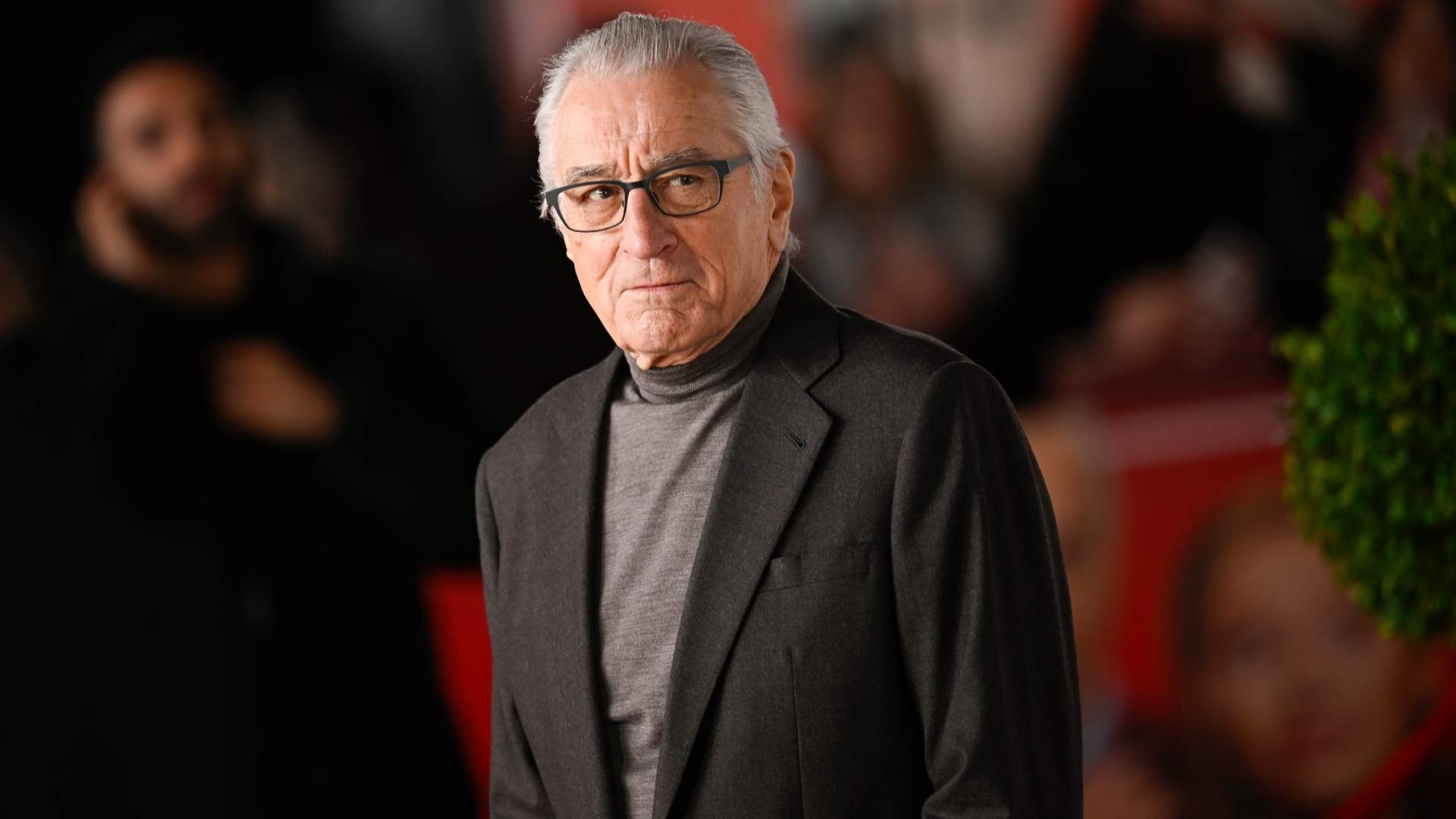
When the silver‑screen icon Robert De Niro was asked to leave Jennifer Lawrence’s pre‑wedding dinner at Newport’s Belcourt mansion in October 2019, it sent a ripple through Hollywood that still reverberates in the way the industry handles star‑powered events. In a single hour at a lavish rehearsal, the veteran’s exit became a micro‑cosm of celebrity etiquette, illustrating how even a legendary figure can feel out of place when the spotlight is misaligned. The incident, once a backstage anecdote, now serves as a cautionary tale for couples, planners, and the public‑facing personas that accompany them.
The wedding, a high‑profile celebration of Lawrence and photographer‑turned‑producer Cooke Maroney, was a star‑strewn affair held on the crumbling stone terraces of Newport’s historic Belcourt. The rehearsal dinner, attended by a constellation of Hollywood luminaries— from Ben Stiller to Ariana Grande—was intended to be a casual, intimate gathering. Yet, when De Niro arrived, he found himself standing alone amid a crowd of people he barely knew. By the time the couple’s mother had spotted him, Lawrence had already decided to send the older actor home, whispering the simple yet decisive “Go home.”
The drama was captured on a lie‑detector segment hosted by Vanity Fair, where De Niro admitted that he was “having an okay time,” but ultimately chose to step away after an hour. In a later interview with People, he clarified that he had enjoyed the evening, describing it as “nice,” and that the abrupt departure had little to do with a dislike of the setting or company. Yet the story underscores a larger reality: even seasoned actors are acutely aware of how their presence can shape, and sometimes unsettle, the atmosphere of a personal celebration.
Background & Context
The Belcourt dinner took place on a historic estate that has hosted countless cinematic events, from the 1970s “The Godfather” set to recent film festivals. Lawrence, known for her grounded approach to fame, had carefully curated her guest list to blend high‑profile names with close friends. Cooke Maroney, a frequent collaborator and lover of classic films, added an extra layer of intimacy to the proceedings.
Robert De Niro, a titan of the silver screen whose career spans over five decades, was invited as a special guest, a nod to his influence on the industry and proof of his friendship with the bride. At 83, he carries the weight of a legendary filmography and an expectation to embody both gravitas and joviality at social functions. Yet the rehearsal dinner’s informal nature clashed with the polished expectations that often accompany a celebrity’s appearance.
Hollywood has long grappled with the “celebrity guest” phenomenon. While stars can elevate a wedding’s profile, they also bring a set of unwritten etiquette rules. In 2019, the industry had begun to shift toward a more collaborative, inclusive approach, yet the De Niro episode highlighted how quickly a single misstep can trigger a ripple effect—fans on social media debating the merits of presence versus presence, and pundits dissecting the social dynamics of celebrity gatherings.
What People Are Saying
The incident quickly ignited a flurry of commentary across social platforms. Fans praised De Niro’s candor, noting his willingness to admit he had enjoyed the evening while acknowledging that the decision to leave was driven by Lawrence’s desire to maintain a relaxed, intimate tone. The fact that he had only spent an hour on the lawn of Belcourt, a venue that normally feels like a stage, seemed to many a symbolic reminder of how even legends can feel out of place in settings that do not align with their persona.
Conversely, a segment of the audience took a more critical view, arguing that the decision was a slight to De Niro. They pointed to the veteran’s longstanding reputation as a gracious host and argued that the request to “go home” felt abrupt and unnecessarily polite. They noted how his “just okay” experience, as stated in the Vanity Fair interview, might have been misinterpreted by the bride and her circle as a sign of disinterest, thereby prompting her to remove him from the event.
The comments reflect a broader conversation about the evolving nature of celebrity hospitality. In an era where authenticity is prized, the delicate balance between star power and personal privacy is often precarious. Many fans echoed the sentiment that Lawrence’s choice was ultimately about preserving the mood she wanted for her own wedding—a sentiment that aligns with the modern trend of intimate, “in‑the‑family” celebrations that prioritize the bride’s vision over external expectations.
What Happens Next
Industry insiders speculate that this episode will influence how future weddings are planned, especially those featuring high‑profile guests. Wedding planners may be prompted to include clearer guidelines for celebrity attendees, ensuring that they understand the level of formality expected. Couples may also lean more heavily on “guest etiquette sheets” that outline preferred arrival times, dress codes, and the type of engagement the couple wishes for the guest to have.
Moreover, the incident has opened the door for conversations around the mental space celebrities occupy when attending events outside their professional sphere. The dialogue is likely to expand to include the psychological impact of being invited to private gatherings, and how that can lead to unexpected departures. In response, some celebrities are already signaling that they will set clearer boundaries for future invitations.
The incident also reminds us that the public’s appetite for celebrity drama remains insatiable. A single hour at a wedding rehearsal can now become a viral anecdote, complete with memes and commentary. The story may very well become part of Hollywood lore, a cautionary tale that will be cited by planners, couples, and even actors when they consider their own invitations.
In the long run, the De Niro incident underscores the evolving nature of celebrity participation in personal events—a shift from unbridled presence to a more thoughtful, mutually respectful engagement. As the industry continues to adapt, the lessons learned from that short but memorable dinner will echo in future wedding halls, ensuring that stars and their hosts both find the right balance between celebration and authenticity.
The Bottom Line
The De Niro departure from Jennifer Lawrence’s rehearsal dinner is a cautionary tale for the entire entertainment‑wedding ecosystem. While the star’s exit was brief, its ripple effect exposed a fragile equilibrium between celebrity presence and the intimate atmosphere that couples strive to create. As wedding planners and couples navigate this new terrain, the need for explicit, pre‑event etiquette becomes paramount. A well‑drafted guest‑list policy, clear arrival guidelines, and respectful communication can prevent the discomfort that arises when expectations clash. Moreover, this incident reminds us that the industry cannot afford to treat celebrity attendance as a free‑for‑all commodity; every invitation must be weighed against the event’s core vision. Ultimately, the lesson is simple: honor the personal narrative of the couple while acknowledging the unique dynamics that a high‑profile guest brings to the table. This balanced approach will preserve authenticity and respect, ensuring that both the bride’s vision and the guest’s dignity remain intact.
Reference:
- Official post on Robert De Niro’s verified Instagram
Read more celebrity news at MyWorldPulse.