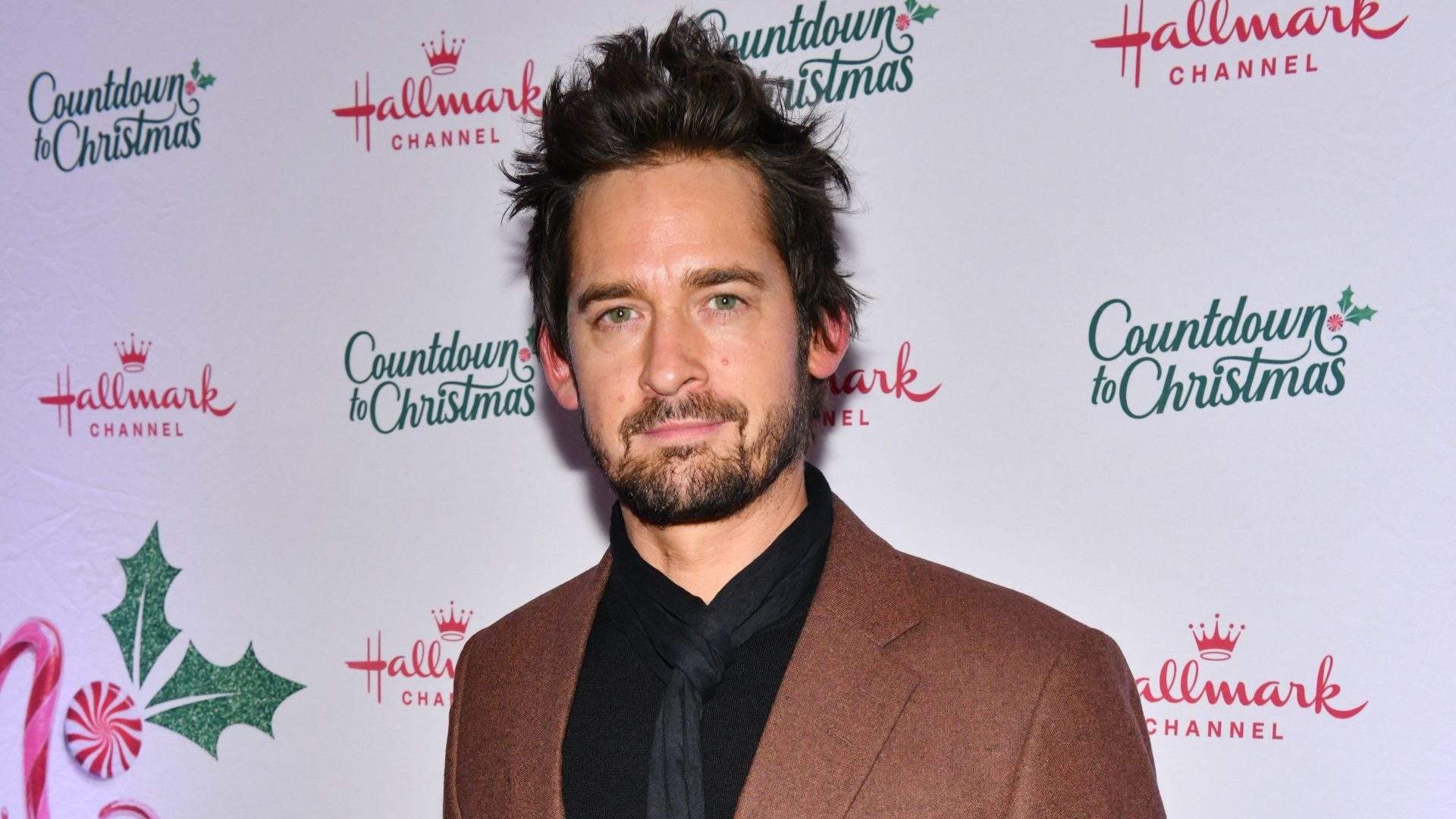
Hallmark’s new “Christmas in Canterbury” poster drops a fresh splash of yuletide cheer, while a high‑profile Hollywood project—Luca Guadagnino’s adaptation of American Psycho—is quietly shelved, a reminder that the industry still favors dependable holiday content over risky, big‑budget ventures.
The story of a choir‑master romance unfolding in Canterbury Cathedral was already a staple of Hallmark’s December lineup, but the official poster posted by Will Kemp on Instagram on November 21 added a crisp, snow‑covered visual cue that this year’s “Countdown to Christmas” is officially underway. Fans could not help but gush: “Omg you and Jessy!! Perfection! Can’t wait!😍” and “Still can’t believe you guys shot this in Canterbury!! I was born in Canterbury and graduated at Canterbury Cathedral! So excited to see Canterbury on the big screen! ♥️,” echoing the warm reception that typically greets every Hallmark holiday film. The premiere on the Hallmark Channel is set for December 11 at 8 p.m. Eastern, with a later show on Hallmark Plus the next day, giving viewers a full week of festive entertainment.
In a stark contrast, the glossy sheen of Hollywood’s big‑budget slate has dimmed with the announcement that Luca Guadagnino’s planned American Psycho will not proceed. The director, known for his work on Call Me By Your Name and The Assassination of Gianni Versace: American Crime Story, had been linked to a fresh take on Bret Easton Ellis’s controversial novel for Lionsgate, with a screenplay penned by Scott Z. Burns. The decision, announced in a brief press release, effectively removes a high‑profile project from the studio’s upcoming schedule, underscoring the uncertain terrain of adapting complex literary works for the screen.
Background & Context
Hallmark’s annual “Countdown to Christmas” is a reliable engine for network and cable, delivering around 20 original films each December. The brand’s formula—romantic, wholesome narratives set against a picturesque backdrop—has built a loyal audience that turns to its holiday lineup like a family tradition. Will Kemp’s role as Harrison Bainbridge in Christmas in Canterbury dovetails with the network’s commitment to feel‑good storytelling: a girl’s choir maestro in Vienna faces the challenge of teaching the boys’ choir in Canterbury, while a budding romance blossoms between the two protagonists, ultimately reminding viewers that love can be found in even the most unlikely places. The film’s cast also features Jessy Schram as Rose Kincaid and Sohm Kapila as Asha Singh, both returning to the Hallmark fold after previous holiday productions.
Luca Guadagnino, by contrast, represents the glitz and risk of Hollywood. His previous film, The Last Duel, garnered critical praise and a nomination for Best Historical Film at the Oscars. American Psycho was supposed to capitalize on the enduring popularity of the 2000 adaptation starring Christian Bale, but the story’s violent and psychological elements posed a potential challenge for mainstream audiences and distributors. The involvement of Lionsgate, a studio that thrives on both blockbuster franchises and niche thrillers, suggests that the studio saw a viable market. Yet, despite having a seasoned director and a polished screenplay by Scott Z. Burns, the project was ultimately halted, indicating that even well‑positioned projects can be derailed by creative differences, budget concerns, or strategic shifts.
The juxtaposition of these two narratives highlights a broader trend: while traditional holiday programming remains a financial and cultural mainstay for cable and network studios, the film industry continues to grapple with the unpredictable nature of high‑concept, high‑risk projects. Hallmark’s success demonstrates the enduring power of familiar, comforting stories during the holiday season, whereas the shelving of American Psycho signals a cautious approach from Hollywood when projects may not align with contemporary audience expectations or studio priorities.
What People Are Saying
Social media buzz surrounding the Christmas in Canterbury poster was immediately electric. Fans not only expressed excitement about the visuals, but also a deep affection for the film’s setting, with one comment noting, “Always exciting whenever a new Will Kemp film premiers! This one looks to be uplifting by the young voices! I will be looking for the cameos from your family members! 🎄🎶🎼🎼🎵🎤.” These responses illustrate how Hallmark’s brand has cultivated a community that eagerly anticipates each new release, often speculating on cameo appearances and the film’s moral message.
Conversely, the announcement regarding American Psycho generated a muted but thoughtful reaction among industry observers. Some expressed disappointment over the loss of a potentially provocative reinterpretation of a beloved novel, while others applauded Lionsgate for taking a measured approach. Industry insiders suggested that the studio’s decision might be influenced by the increasing importance of aligning film content with streaming strategies, as well as a cautious stance toward projects with content that could polarize audiences. While the press release did not provide exhaustive reasons, the brief nature of the announcement spurred speculation that the film may be revisited under different circumstances.
The broader conversation about film and television production continues to evolve, with audiences and creators increasingly demanding transparency and thoughtful engagement. Hallmark’s steady output and the enthusiasm it garners demonstrate the power of predictability and emotional resonance, whereas the withdrawal of American Psycho serves as a reminder that the entertainment ecosystem remains fluid, with creative direction often pivoting in response to shifting cultural and commercial landscapes.
What Happens Next
For Hallmark, the next phase involves preparing Christmas in Canterbury for its December 11 premiere, with a marketing push that will likely include targeted advertisements, social media countdowns, and promotional trailers featuring Will Kemp and Jessy Schram. The network may also leverage the film’s English setting to attract an international audience, as the holiday genre has proven popular beyond the United States. Post‑premiere, the film’s performance will be closely monitored, particularly its viewership numbers on the Hallmark Channel and streaming performance on Hallmark Plus, as these metrics shape future production decisions for the network’s holiday slate.
Meanwhile, Lionsgate’s decision to pause American Psycho opens the door for potential redevelopment. The studio might reassess the project’s budget, cast, or distribution plan, or it could redirect the script to a different director or platform. The involvement of Scott Z. Burns as the writer suggests that the story remains in the studio’s possession, and it is not unheard of for projects to be revived after an initial halt. Should American Psycho return, it would likely be under a revised framework that better aligns with Lionsgate’s current strategic priorities, potentially focusing on a more audience‑friendly tone or a streaming‑first release.
In the meantime, viewers can enjoy the steady stream of Hallmark holiday films that deliver warmth and optimism, while industry watchers anticipate the next bold move that Hollywood may make—whether that means resurrecting a shelved adaptation or launching an entirely new venture that challenges current expectations. The juxtaposition of a reliable holiday movie and a suspended thriller underscores the dual nature of the entertainment landscape: one path paved with tradition and certainty, the other charted by ambition and uncertainty.
The Bottom Line
At MyWorldPulse, we see the Hallmark phenomenon as a testament to the power of predictability. The brand’s success reminds us that, even in an era of digital disruption, audiences crave the warmth of familiar holiday stories. Yet the cancellation of American Psycho serves as a cautionary tale about the fragility of ambitious projects in a market that increasingly prioritizes low‑risk, high‑return ventures. For the industry, the lesson is clear: innovation must be paired with strategic distribution plans and a keen sense of audience appetite. For viewers, it’s an invitation to celebrate the comforting certainty of holiday programming while remaining hopeful for the day when bold, thrilling narratives find their rightful place on screens worldwide. – MyWorldPulse Editorial
Read more celebrity news at MyWorldPulse.