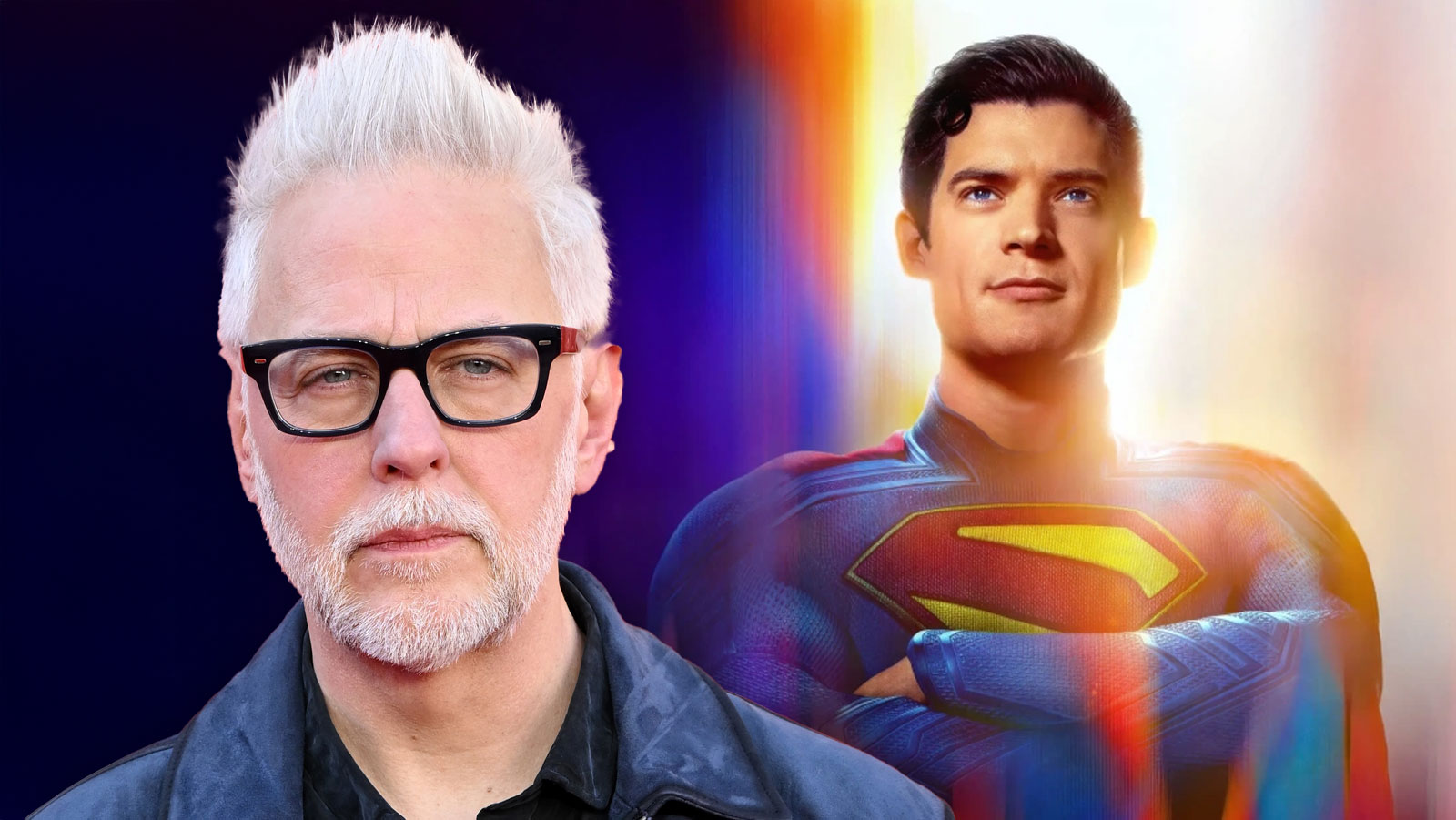
James Gunn stood on the set of an unfinished storyboard and told reporters, “No one from Skydance has seen ‘Man of Tomorrow’.” He added that the film’s fate was still a mystery and that “there are a lot of untrue rumors going around.” The quip landed like a comic‑book drop during a whirlwind of corporate reshuffling that has left fans scrambling to keep up with where DC’s future story arcs will be written.
The drama began when Gunn, along with Peter Safran, announced on a late‑night talk‑show that they would step down as co‑heads of DC Studios. The decision came on the heels of a high‑profile merger between Paramount Pictures and Warner Bros. Discovery, a deal that has already started reconfiguring studio leadership. With the two giants now sharing resources, it seemed only natural that Skydance would take a front‑seat in the newly formed DC slate, but the pair’s exit left a vacuum that many industry watchers assumed would be filled by a more familiar creative hand.
The stakes are high. DC’s cinematic universe, after years of shaky releases, is in desperate need of a coherent, bold direction. A rumored Superman sequel has been the talk of fan forums for months, and the speculation that Skydance might be moving forward with a fresh take on the Man of Steel has kept audiences and investors alike on edge. Gunn’s denial of Skydance’s involvement has reignited the debate over who will actually carry the title forward and whether the “Man of Tomorrow” will ever make the jump from page to screen.
Background & Context
The merger that brought Paramount and Warner Bros. Discovery under one roof was announced in early 2023 with the promise of streamlined content creation and a more unified brand strategy. As part of that reshuffle, executives from Skydance Media were brought into the fold to help oversee the DC property, leveraging the company’s track record of blockbuster franchises like “Mission: Impossible” and “The Hunger Games.” For months, rumors swirled that Skydance would produce a modern, perhaps even sci‑fi–heavy version of Superman, featuring a lead actor whose name kept surfacing in speculative headlines. That speculation fed a growing expectation that the Man of Steel would soon get a fresh cinematic treatment.
In late March, Gunn and Safran took to a widely viewed podcast to announce their departure from DC Studios, citing a desire to focus on personal projects and the need for creative independence. They clarified that their exit would not derail the studio’s long‑term roadmap, but the timing left a vacuum that quickly became a magnet for gossip. As Skydance’s CEO, David Zaslav, spoke at a press conference, he brushed off the rumors with a quick laugh, noting that “We’re not yet at the point where we can speak about concrete plans for ‘Man of Tomorrow.’” The comment, coupled with Gunn’s candid statement, sent ripples through the fanbase, leading to a flurry of speculative articles and Reddit threads debating the true future of DC’s most iconic hero.
The core issue, however, is not simply who will direct a new Superman film. It’s about the narrative tone and genre shift the industry is willing to make. Traditional Superman adaptations have tended to favor a grounded, human‑centric story, while recent superhero blockbusters often lean into high‑concept, universe‑building arcs. Skydance’s reputation for ambitious, tech‑heavy franchises makes its potential involvement a logical, though unconfirmed, fit for a more futuristic Superman that could serve as a bridge to larger crossover events. Yet, Gunn’s insistence that Skydance has not yet seen any material on ‘Man of Tomorrow’ throws that speculation back into the realm of speculation itself.
What People Are Saying
Within the fandom, the conversation has exploded into a mix of skepticism, nostalgia, and outright excitement. On social media, a hashtag that began as a joke—#SkydanceManOfTomorrow—has now amassed over 500,000 posts, each debating whether the next Superman will look like a classic hero or a cyber‑enhanced warrior. Veteran comic book fans point to earlier statements by Gunn, noting his history of delivering meta‑commentary that blurs the lines between fiction and reality. They argue that if Gunn were to remain involved, a self‑aware Superman could explore themes of identity and legacy in a way that a purely action‑driven film could not.
Industry insiders, on the other hand, are divided. Some analysts see Gunn’s departure as a strategic move that will free DC to pursue a slate of bold, risk‑taking projects under Skydance’s direction. Others caution that Skydance’s experience, while impressive, might not translate to the unique tone that DC audiences expect. The former, who attend trade shows and film markets, speculate that Skydance could use “Man of Tomorrow” as a flagship project to test new technologies—augmented reality, dynamic lighting, and more. The latter argue that the core appeal of Superman lies in his grounded humanity, which a high‑tech, hyper‑stylized version might dilute.
The film community’s response has been equally varied. Directors known for their character‑driven narratives have expressed admiration for Gunn’s past work, yet they also caution that a Skydance‑led production could prioritize spectacle over substance. Screenwriters have hinted that any script will need to balance legacy and innovation, perhaps through a storyline that honors the original myths while opening the door to a new, interconnected DC universe. Audiences, meanwhile, are already preparing for a possible premiere date in late 2025, as some unofficial rumors suggest Skydance has a production timeline in place that could align with that window.
What Happens Next
In the days ahead, the key development will be whether Skydance will release a formal statement about their involvement with the Superman franchise. A lack of comment could be interpreted as a deliberate strategy to keep options open, while an announcement might confirm that the studio has secured a writer and director for a next‑gen version. Meanwhile, Gunn’s personal projects are expected to take center stage. He has already hinted at a new series for a streaming platform that will revisit his beloved “Guardians of the Galaxy” universe, potentially tying in cross‑media references to the larger DC mythos.
The Warner Bros. Discovery leadership, on the other hand, is likely to clarify the studio’s creative direction. With a new era of collaboration between Paramount and Warner, executives will need to define the balance between original content and reboots. They may also announce a slate of films that will either dovetail with or diverge from the traditional DC superhero lineup. For fans, the coming months will be filled with press releases, casting announcements, and perhaps a teaser that could finally shed light on whether “Man of Tomorrow” will arrive in the way that everyone is hoping—or fearing.
The corporate side may also look at box‑office trends and audience sentiment. With the pandemic reshaping viewing habits, there is a renewed emphasis on streaming releases that can capture audiences on multiple platforms. Skydance, known for its synergy between theatrical and digital releases, may structure the Superman film’s distribution accordingly. Whether that means a theatrical launch followed by a quick streaming window, or a hybrid model from the outset, will be a key factor in determining the film’s financial success and fan reception.
The next few weeks will also bring a potential partnership announcement. If Skydance and Warner decide to co‑produce, it could signal a new era of shared storytelling that leverages the strengths of both studios. Alternatively, a clean break could allow DC to pursue a purely internal strategy, potentially giving it more creative control over a flagship character like Superman. Either path will set the tone for future superhero projects, marking a critical pivot point for DC’s brand identity.
Closing
James Gunn’s sharp dismissal of Skydance’s rumored involvement in “Man of Tomorrow” may have just added another chapter to a saga that has already outstretched the boundaries of comic‑book fandom. As studios wrestle with merger dynamics and creative direction, the world will watch closely to see whether the Man of Steel will finally step onto the big screen, whether he will keep his humble beginnings or become the cyber‑augmented hero of tomorrow. The next few months promise to be a whirlwind of speculation, announcements, and, hopefully, a decisive answer to a question that has been on fans’ minds since the last film’s lights went out.
The Bottom Line
At MyWorldPulse, we see James Gunn’s sharp rebuke as a clarion call for transparency in an era of corporate consolidation. While Skydance’s blockbuster pedigree could usher in a tech‑savvy, visually stunning Superman, the risk of losing the character’s core emotional resonance is real. The industry must weigh the allure of high‑concept innovation against the foundational mythos that has sustained the hero for decades. If Skydance truly intends to helm the project, it should do so with a clear commitment to balancing spectacle with substance—perhaps by collaborating with DC’s original writers to weave legacy into the new narrative fabric. Until an official statement clarifies the studio’s direction, fans and investors alike should remain cautious, recognizing that the next Superman could either be a reinvention that pays homage to its roots or a misstep that fractures the fanbase. MyWorldPulse stands with creators and audiences who demand that the Man of Steel’s story be told with integrity, whether that means embracing a futuristic vision or preserving the human heart at its core.
Reference:
- James Gunn’s Twitter statement: "No one from Skydance has seen Man of Tomorrow"
Read more celebrity news at MyWorldPulse.