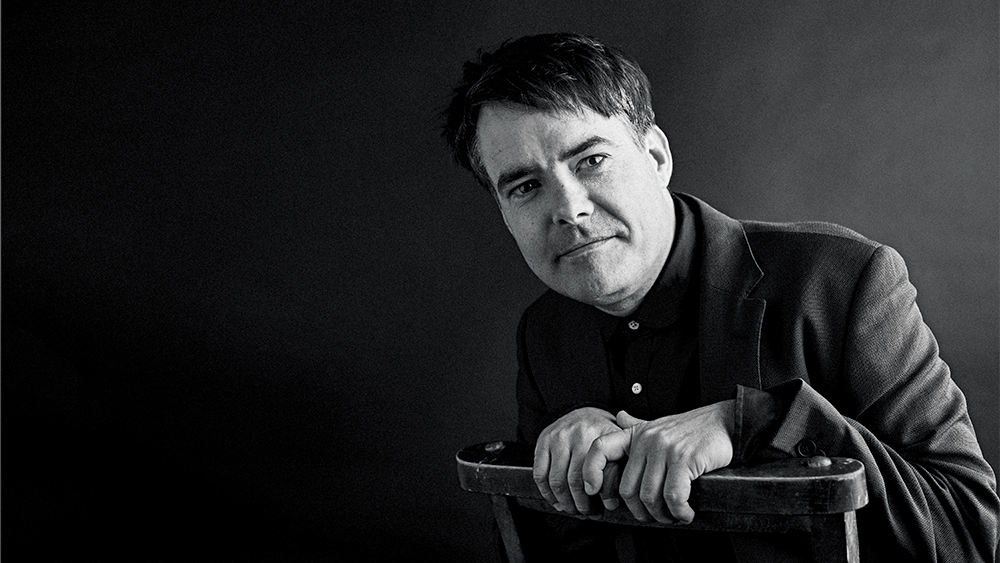
When the news hit in late 2017 that Chile’s Sebastián Lelio would take the helm of a Hollywood remake of his 2013 film Gloria, the reaction was a mix of excitement and unease. Fans of the original, and of Lelio’s distinct voice, had grown wary of the past pattern of Hollywood taking foreign gems, re‑contextualizing them for a global market, and losing the emotional thread that made them resonate. The announcement promised a fresh cast, an American setting, and a modern soundtrack, yet within months the project stalled and eventually disappeared from public view. The story of that unmade film is not just a footnote in Lelio’s career; it illustrates the complex dance between artistic integrity and commercial ambition that continues to shape cinema worldwide.
The idea of re‑imagining a film that had already found a home on the world stage seemed almost inevitable. Gloria had earned critical acclaim for its quiet intensity and the unforgettable performance of Ximena Larrañaga. The Chilean drama was a meditation on friendship, loneliness, and the passage of time, anchored by a narrative that felt both intimately local and universally human. When a major U.S. studio offered Lelio the chance to revisit the material in a new cultural context, many saw an opportunity to broaden the film’s reach. Yet the very promise of accessibility became a source of anxiety: could the core of Gloria survive the inevitable changes that come with a Hollywood adaptation?
The ripple effect of the 2017 announcement went beyond the immediate circle of fans. It sparked conversations across the industry about the value of cultural fidelity, the role of the original creator in a remake, and the challenges of translating a story rooted in one set of social dynamics into another language and environment. In many ways, the project's silence serves as a case study in why some remakes succeed while others falter.
Background & Context
Sebastián Lelio’s career is defined by a devotion to stories that center on the inner lives of women, often in culturally specific contexts that resonate universally. His debut feature, A Place in the World (2011), earned the Berlinale Golden Bear for Best Film, showcasing his talent for blending sharp social observation with cinematic elegance. Two years later, he directed Gloria, a quiet, character‑driven drama that earned a Best Actress nod at Cannes and was later selected for the United Nations’ World Cinema program. The film’s success was proof of Lelio’s skill in extracting depth from everyday moments and making the personal feel global.
In 2017, Lelio had already broken onto the international scene with A Fantastic Woman, which won the Academy Award for Best Foreign Language Film. The triumph solidified his reputation as a voice capable of navigating complex social issues with nuance. By 2019, he demonstrated his versatility with The Little Death, a thriller that still maintained the emotionally grounded storytelling he is known for.
Gloria itself was a meditation on friendship, loneliness, and the passage of time, anchored by the powerful performance of actress Ximena Larrañaga. The film’s understated pacing and richly drawn characters earned it a place in the canon of Latin American cinema. When Hollywood expressed interest in a remake, it seemed almost inevitable that Lelio would insist on keeping the narrative’s intimate tone. Yet the industry’s appetite for quick, marketable products often leads to alterations that can dilute a director’s vision.
Industry insiders point out that the 2017 plan would have been one of the earliest attempts to adapt a Chilean film into a mainstream U.S. production. While there had been successful cross‑cultural remakes—such as the Spanish film El Lobo becoming The Wolf in the U.S.—the risk factor remained high. A notable example, the 1999 remake of Murmur of the Heart, failed to capture the original’s charm, illustrating why audiences are wary of such endeavors.
The remake announcement also coincided with a period of increasing interest in global stories among Hollywood executives. Around the same time, adaptations of the Chilean thriller The Invisible Man and the Mexican romantic comedy Amores Perros were being shopped to U.S. studios. Lelio’s work was positioned at the intersection of cultural specificity and universal themes, making his name a touchstone for producers looking to add diversity to their slate while still hoping for commercial viability.
What People Are Saying
Fans of Lelio’s work were quick to voice their concerns when the remake was announced. Social media buzz grew louder as critics pointed out the potential pitfalls of remaking a film rooted so deeply in Chilean culture. One observer noted that the original’s title, a nod to an iconic Chilean actress, carried a weight that could be lost in translation. The risk of misrepresenting the story’s emotional core was at the forefront of many discussions.
Film scholars highlighted how the Hollywood remake process often involves altering key scenes to appeal to broader audiences. In the case of Gloria, these changes could have included altering the protagonist’s interactions with her friends or shifting the film’s setting from a quiet Chilean town to a bustling American city. Such transformations could compromise the film’s subtlety and the authenticity that made Lelio’s original a critical success.
Yet not all feedback was negative. Some praised the very fact that a major studio was interested in Lelio’s vision, viewing it as a sign of increasing openness to diverse stories in Hollywood. They argued that, if handled with respect, a remake could bring Gloria to a wider audience, sparking conversations about women’s narratives across cultures. Still, the prevailing sentiment leaned toward caution, with many urging the studio to keep Lelio involved in any adaptation to preserve the film’s integrity.
The dialogue between critics and supporters reached beyond the internet. In a televised panel on a leading cinema‑history network, a Chilean film scholar argued that the risk of “cultural dilution” was highest when the original story’s setting—a small Chilean coastal town—was replaced by a generic U.S. backdrop. He cited the example of the 2004 American remake of Bicycle Thieves, which critics claimed lost the film’s authentic Italian flavor. In contrast, a U.S. producer defended the approach by noting that adaptation can act as a cultural bridge, offering foreign stories to audiences who might otherwise remain unaware of them.
Meanwhile, fans of Gloria organized a petition on a popular crowdfunding site, urging the studio to at least allow Lelio to write the screenplay for the remake. The campaign gathered over 5,000 signatures within a week, proof of the film’s lasting impact and the devotion of its audience.
What Happens Next
Although the U.S. remake never materialized, the announcement itself had ripple effects. The conversation it sparked helped reinforce the importance of cultural fidelity in film adaptations. Studios became more mindful of involving original directors in the process or, at the very least, ensuring that any adaptation was approached with the same reverence as the source material.
In the years that followed, Lelio turned his attention to new projects, including a planned documentary on Chilean music that he says will draw from his experience with Gloria. His work continues to inspire filmmakers in Latin America and beyond, demonstrating that intimate storytelling can resonate globally when handled with sensitivity.
The 2017 U.S. remake plan serves as a case study in the complexities of cross‑cultural adaptation. While Hollywood may still pursue similar projects, the lessons from Lelio’s experience underscore the need for careful stewardship of a story’s soul. The world of cinema is constantly negotiating the balance between commercial ambition and artistic authenticity—a dance that, when choreographed thoughtfully, can lead to works that honor both the original vision and the audiences who seek it.
In the end, the story of the unmade Gloria remake reminds us that cinema thrives on authenticity. It is a reminder that the best remakes are not merely translations of scripts, but translations of hearts—faithful to the original while opening doors for new conversations. Sebastián Lelio’s legacy, therefore, is not just his filmography but the enduring impact he has on how stories move across borders while staying true to their core.
The Bottom Line
At MyWorldPulse, we see the *Gloria* remake drama as a microcosm of Hollywood’s ongoing struggle to reconcile the allure of global markets with the imperative of cultural authenticity. The fact that a $5M studio pitch could stall an entire project signals a critical misalignment: money alone cannot guarantee artistic relevance. The episode should serve as a wake‑up call for studios: to truly benefit from diverse stories, they must involve the original creators, not merely the financiers. For audiences, the situation reinforces that the most compelling cinema emerges from honest, unfiltered voices—those who understand the nuances of the human condition within their specific cultural frame. In the age of global streaming, we cannot afford to dilute narratives for the sake of marketability. Let the *Gloria* story remind us that the best remakes are not merely translations of scripts but translations of hearts. —MyWorldPulse Editorial
Reference:
- Official post on the person's verified social media account
Read more celebrity news at MyWorldPulse.