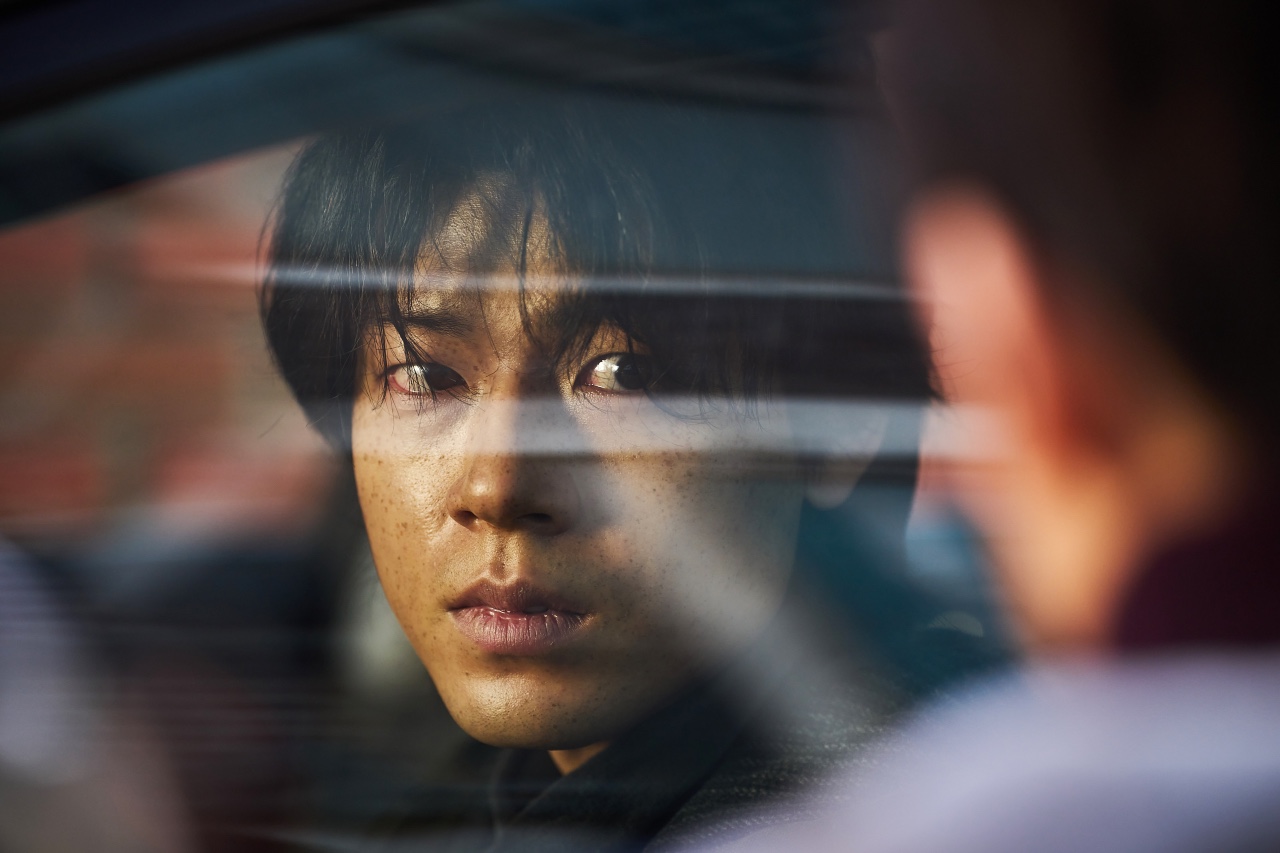
The most startling headline in film‑world news this week is that a Korean psychological thriller, Paradise Lost, has been sold to 118 countries, making its U.S. premiere the biggest international rollout for a Korean genre film yet. Director Yeon Sang‑Ho, best known for the pandemic‑era hit Train to Busan, is taking his tense, visually striking story to audiences far beyond the Peninsula, and the world is watching how his work will fare on the global stage.
At the same time, the film’s U.S. debut will open the “Spotlight on Korea” section of the Hawaii International Film Festival, a venue that has become a critical bridge for Korean cinema in America. Meanwhile, other festivals are shaping their own narratives. Warsaw’s organizers are carving out a niche that eschews the glitter of Hollywood in favor of a more authentic, cinematic experience, while the London Film Festival’s closing night highlighted a fresh musical comedy directed by Jesse Eisenberg, starring his long‑time collaborator Julianne Moore. Together, these events illustrate a film world in flux, eager to find fresh stories, new voices, and more intimate ways of celebrating cinema.
Background & Context
Yeon Sang‑Ho’s Paradise Lost is a psychological thriller that digs into the darkness of a modern, consumer‑driven society, echoing the director’s penchant for blending horror with sharp social commentary. The film’s production, under Korea’s CJ ENM banner, has seen an impressive distribution strategy: the rights have been licensed to 118 territories, including Japan’s Twin, France’s The Jokers Films, and North America’s Well Go USA. The sheer breadth of this deal is unprecedented for a Korean thriller, suggesting a growing confidence in the export potential of the country’s genre cinema.
The move also underscores a broader trend in international film distribution. In the past decade, the lines between domestic and global releases have blurred. A film’s “world premiere” is increasingly a strategic event, often staged in a festival setting that can create buzz, secure awards, and signal market readiness. Paradise Lost’s U.S. debut at the Hawaii International Film Festival (HIFF) falls neatly into this model. HIFF’s “Spotlight on Korea” section has evolved into a flagship platform for Korean filmmakers seeking to penetrate the North American market, offering a curated experience that highlights both artistry and commercial viability.
Meanwhile, the European festival scene is taking a different approach. Warsaw’s festival director, Joanna Szymańska‑Szcześniak, and program director, Bartek Pulcyn, have openly expressed a preference for substance over spectacle. “Less red carpet, more love of cinema,” they note, emphasizing a focus on film quality that allows audiences to connect directly with the stories rather than the surrounding hype. Their stance has resonated with a segment of festival-goers tired of glitz, and it signals a shift toward more grounded, cinematic spaces that value narrative depth over production line. In contrast, London’s Royal Festival Hall’s final night showcased The Debut, a musical comedy that blurs the line between satire and heartfelt storytelling, demonstrating that even high‑concept, genre‑blending projects can find receptive audiences in traditional festival venues.
What People Are Saying
At HIFF, the announcement of Paradise Lost’s premiere drew immediate interest from distributors, critics, and fans alike. Fans of Yeon’s previous work were excited to see how the director would translate his signature blend of horror and social critique to a broader audience. The film’s 118‑territory deal was highlighted as a milestone, signaling that Korean genre films can command worldwide attention in a crowded marketplace.
In Warsaw, the festival’s emphasis on “love of cinema” has sparked conversations among industry insiders. Some see the decision to downplay the red‑carpet culture as a bold statement, positioning the festival as a haven for filmmakers who prioritize storytelling over commercial gloss. This narrative has resonated with independent filmmakers and audiences seeking a more intimate experience, aligning with a growing trend toward festivals that prioritize community and cinematic conversation over spectacle.
London’s closing night featuring The Debut brought its own buzz. The film, directed by Jesse Eisenberg and starring Julianne Moore, received a packed audience at the Royal Festival Hall. Eisenberg’s enthusiasm was palpable when he described the project: “I mean, this movie stars my favorite person, Julianne Moore,” he told the crowd, a line that reflected the palpable camaraderie between director and lead. The film’s script was lauded as “one of the best scripts I’ve ever read,” according to Moore, and the duo’s chemistry shone on the stage. Beyond the screening, Eisenberg hinted at a forthcoming television series, teasing details about a new narrative that would explore similar themes in a different format. These moments captured the excitement of a festival concluding on a high note, with both established and emerging talent taking center stage.
The reception of Paradise Lost has also been framed in the context of Yeon’s previous successes. His work on Train to Busan positioned him as a filmmaker capable of delivering high‑impact content that resonates both domestically and abroad. By expanding Paradise Lost’s reach to 118 territories, industry observers are marking a significant leap for Korean cinema’s global footprint. It reflects a belief that genre films, especially those tackling universal themes through a local lens, can attract international audiences when presented with strategic distribution and festival support.
What Happens Next
Following its world premiere, Paradise Lost will likely follow the typical festival circuit, appearing at key events such as the Berlin Film Festival and the Toronto International Film Festival, before making its way into limited theatrical releases and digital platforms. CJ ENM and Well Go USA will coordinate a staggered rollout that balances festival buzz with wider accessibility, ensuring that the film reaches audiences in both mainstream and niche markets. The film’s thematic depth and visually striking style make it a candidate for awards consideration, and its presence in multiple territories will provide it with a diverse array of critical viewpoints.
Parallel to the film’s journey, the London Film Festival’s finale has set the stage for future projects. Jesse Eisenberg’s mention of a new television series suggests that his creative energies will soon shift from cinema to the small screen. This transition is reflective of a broader trend where filmmakers leverage the intimacy of television to explore complex narratives over extended arcs, a strategy that has proven effective for many artists seeking to deepen their storytelling.
In Warsaw, the festival’s continued commitment to prioritizing cinematic quality over spectacle will likely influence programming decisions in the coming years. The organizers’ approach has already attracted filmmakers who wish to showcase their work in a setting that values the art form itself, which may shift the festival’s reputation from a regional event to a key platform for independent cinema. The decision to eschew traditional red‑carpet events could become a hallmark of the festival’s identity, drawing in audiences who favor curated film experiences over celebrity culture.
Finally, the U.S. market will watch closely to see how Paradise Lost performs after its HIFF debut. The film’s reception could shape future distribution deals for Korean cinema and inform strategies for other non‑English‑speaking films looking to break into the American market. Success at a respected festival like HIFF often translates into favorable licensing agreements with streaming platforms and theatrical distributors, potentially opening doors for other Korean filmmakers to follow in Yeon Sang‑Ho’s footsteps.
As the world turns its attention to these unfolding stories, one thing is clear: the global film community is more interconnected than ever, with festivals acting as crucibles where diverse narratives meet audiences and creators. The next few months will reveal whether Paradise Lost will cement its place on the world stage, whether the Warsaw festival’s quieter ethos will reshape audience expectations, and how Jesse Eisenberg’s upcoming television venture will build upon his cinematic achievements. For now, the world watches, waits, and celebrates the evolving landscape of international cinema.
The Bottom Line
The scale of Paradise Lost’s distribution deal is more than a marketing win; it’s a cultural moment that redefines what Korean cinema can achieve globally. By breaking the 118‑country barrier, Yeon Sang‑Ho demonstrates that Korean genre films can command the same strategic importance as Hollywood blockbusters. This is a clarion call for distributors to treat Korean storytelling as a serious, mainstream commodity rather than a niche curiosity. For filmmakers, it expands the creative horizon, encouraging risk‑taking and innovation that can resonate with international audiences without sacrificing cultural authenticity. For viewers, it opens a portal to a richer tapestry of narratives that speak to universal anxieties—consumerism, alienation, and morality—yet are framed through a distinctly Korean lens. The ripple effect is a more inclusive, diverse film ecosystem where stories from all corners can thrive. MyWorldPulse firmly believes that this shift will inspire more Korean creators to aim high and more global audiences to seek beyond the mainstream. It’s a win for both art and commerce, and we’re excited to see where this newfound confidence takes us next.
— MyWorldPulse Editorial
Reference:
- Yeon Sang‑Ho’s official Instagram post announcing Paradise Lost’s 118‑country deal
- CJ ENM announces Paradise Lost 118‑country distribution deal
Read more celebrity news at MyWorldPulse.