The moment fans saw Jason Sudeikis’ name scroll across the screen on the “Talk Easy” podcast, excitement erupted almost instantaneously; millions of Twitter feeds exploded with emoji‑filled comments about whether “Ted Lasso” would stretch into a fifth season, and whether the 51‑year‑old could finally bring closure to a decade‑long personal drama.
Jason Sudeikis, long celebrated for his comedic prowess on “Saturday Night Live” and his heartfelt portrayal of an American coach in England, surprised many when he revealed that he “would like to” keep the beloved show alive beyond its fourth season. Yet the same interview offered a raw look into the healing process after his 2020 breakup with Olivia Wilde, a relationship that spanned nearly a decade, produced two children, and, like any partnership, carried its own complexities. Fans, who had followed the two actors for years, now faced a dual narrative: the future of a cultural phenomenon and the personal growth of a public figure who had once seemed untouchable.
The response to Sudeikis’ announcement was as varied as the audience’s expectations. Some commentators celebrated the possibility of more heartwarming storylines, while others cautioned that the show’s success might be a delicate balance of fresh talent and the original charm that drew viewers. Simultaneously, social media buzzed with speculation about Sudeikis’ own journey after a high‑profile split, with many offering empathy, while others dissected the nuances of the relationship’s end.
Background & Context
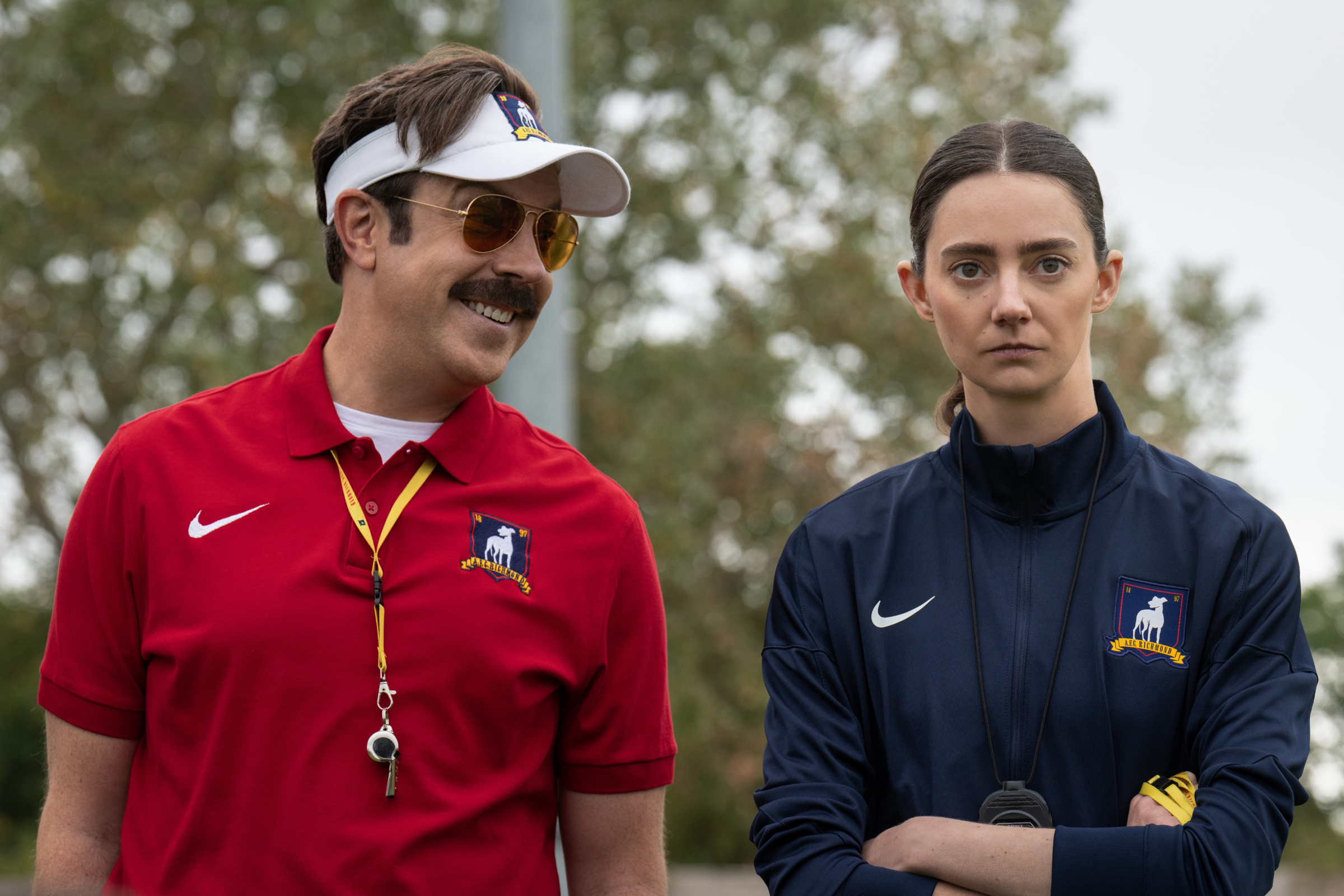
Jason Sudeikis first stepped into the spotlight as a sketch comedian, but his role as Coach Ted Lasso in the Apple TV+ series has become the defining element of his career. Launched in 2020, the show was originally slated to run only three seasons, a decision rooted in Sudeikis’ belief that the story had a natural endpoint. That same year, he and co‑creator Brendan Hunt were navigating the uncharted territory of a sudden, highly publicized breakup with Olivia Wilde, an actress and director who had been his partner for nine years. Wilde and Sudeikis’ relationship began in 2011 and produced their son Otis, now 12, and daughter Daisy, 10. The two remained co‑parents, maintaining a cooperative dynamic even as the romantic chapter closed.
In a candid episode of “Talk Easy with Sam Fragoso,” airing on October 18, Sudeikis opened up about both his professional aspirations and personal revelations. He explained that while he had hoped for a limited run, he now “would like to” extend the narrative, hinting at potential fifth and sixth seasons. These comments come after the series’ fourth season, which wrapped up a year after the third, leaving fans and critics with lingering questions about its trajectory.
The personal story that ran parallel to the show’s production has been equally gripping. The 2020 split, reported widely in the press, was later framed by Sudeikis as a complex emotional journey that involved learning the importance of “flat‑out communication.” In his own words, he reflected on how bottling feelings can mirror a child hiding a bad report card, a powerful analogy that struck a chord with audiences who felt similarly trapped in unspoken emotions.
What People Are Saying
The reaction among fans and media figures has been polarized. Some have praised Sudeikis for his honesty, highlighting how he used the platform to discuss the mental health toll the series has taken on him, describing it as a form of salvation from potential self‑harm. Others, however, caution that the longevity of a show that thrives on the delicate chemistry between its characters might be threatened by the inevitable creative fatigue that comes with extended runs.
Sudeikis’ discussion about his relationship with Olivia Wilde has also sparked a broader conversation about celebrity relationships and the responsibility of public figures to communicate openly. The actor’s emphasis on “communication” as a missing element in the split resonated with many who have experienced similar situations. Meanwhile, Wilde’s subsequent interviews—most notably on the “Call Her Daddy” podcast in June—underscored the importance of focusing on co‑parenting, a perspective that has softened the narrative around their divorce.
In addition to the professional discourse, the revelation that Wilde is now romantically linked with art dealer Caspar Jopling, as confirmed in early 2026, added another layer to the public’s perception of the ex‑couple’s post‑split lives. While Sudeikis remains private about the details of his own life outside the show, he expressed gratitude for the space he now has to nurture his children. “I am really grateful for the opportunity to have this space when I am completely with my kids,” he said, citing the time spent with his children as a healing balm.
The dialogue around Sudeikis’ candidness is part of a larger cultural shift, wherein audiences increasingly expect authenticity from their favorite entertainers. His admission of past missteps and his willingness to share the lessons learned about communication reflect a new standard of openness that fans appreciate. Yet, the debate over whether the show should continue raises questions about the balance between artistic integrity and commercial viability.
What Happens Next
The future of “Ted Lasso” hinges on a confluence of factors. From a production standpoint, Apple TV+ has yet to announce any definitive plans regarding a season five or six. Yet, Sudeikis’ public statement indicates a strong desire to keep the narrative alive, and that may influence decision‑makers. Additionally, the show’s creative team—including co‑creator Brendan Hunt and writer Steven Knight—has been pivotal in shaping the series’ tone, and their involvement could be a deciding factor in whether the franchise continues.
On a personal level, Sudeikis appears to be moving toward a healthier relationship with himself and his role as a father. In interviews, he has discussed how he uses the show’s storytelling as a way to process emotions and build resilience. The process of healing, as he described, is akin to working through an “old equation of heartbreak,” suggesting a structured path toward emotional recovery.
Meanwhile, the co‑parenting dynamic between Sudeikis and Wilde remains a priority, as both have publicly affirmed that their children remain the focal point. The two have established a shared custody arrangement that allows them to manage their responsibilities effectively, an approach that many viewers find relatable and hopeful in the context of post‑relationship parenting.
Looking ahead, the public’s appetite for “Ted Lasso” may well be influenced by the storylines that the writers plan to explore, and the actors’ willingness to keep the show fresh. Sudeikis’ willingness to discuss both the show’s potential continuation and his personal growth invites audiences to engage with the narrative on multiple levels. As Apple TV+ evaluates its programming slate, the actor’s vocal interest may tip the scales in favor of more seasons, especially if the series continues to draw a loyal viewership and generate critical acclaim.
In the end, whether “Ted Lasso” finds a fifth or sixth season remains to be seen, but Jason Sudeikis has already carved out a new chapter for himself—one that blends the love for his art with a commitment to personal healing and honest communication. The conversation has shifted from what the show might deliver to how the actor navigates the complexities of fame, family, and the desire for authentic connection. The world watches, waiting to see how both storylines evolve.
The Bottom Line
Our view: Sudeikis’s candid admission of wanting more seasons reflects a maturation in how actors now wield narrative authority, a trend that rewards authenticity but also demands vigilance against the pitfalls of overextension. Apple TV+ must weigh the potential of deepening beloved characters against the risk of eroding the tight, heartfelt formula that drew millions in the first place. If the network chooses to proceed, it should do so with a clear, long‑term creative roadmap—investing in fresh talent, innovative storytelling, and a marketing strategy that celebrates the show’s origins while inviting evolution. This is a chance to reinforce “Ted Lasso’s” status as a cultural touchstone, but only if the extension feels organic rather than forced. In a media landscape where audiences now value transparency and depth, the decision to add another chapter should prioritize genuine narrative growth over mere franchise expansion.
—The MyWorldPulse Editorial Team
Reference:
- Official Sudeikis Tweet on 'Talk Easy'
Read more celebrity news at MyWorldPulse.